
 English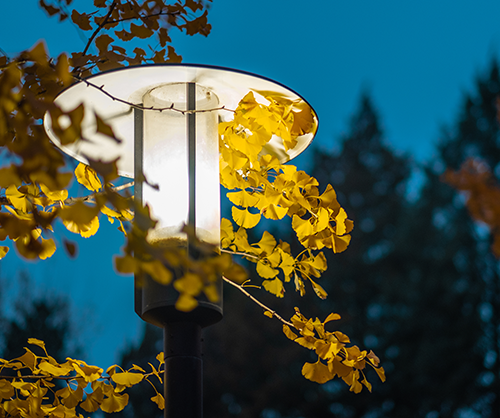
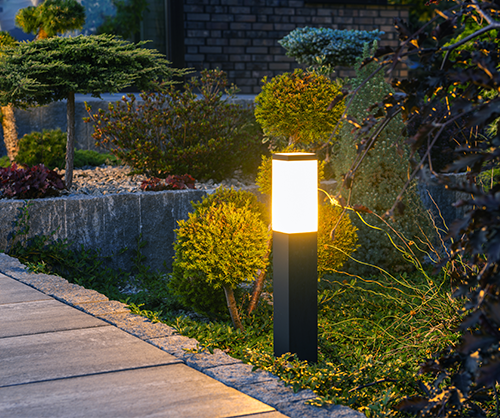
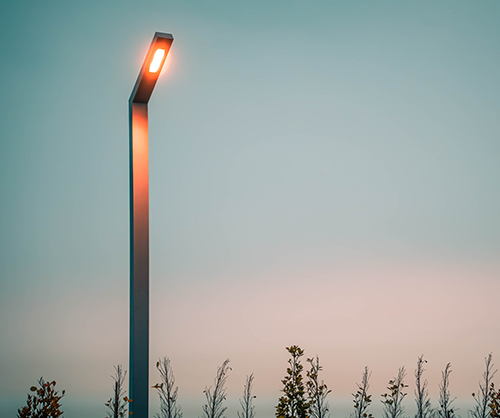
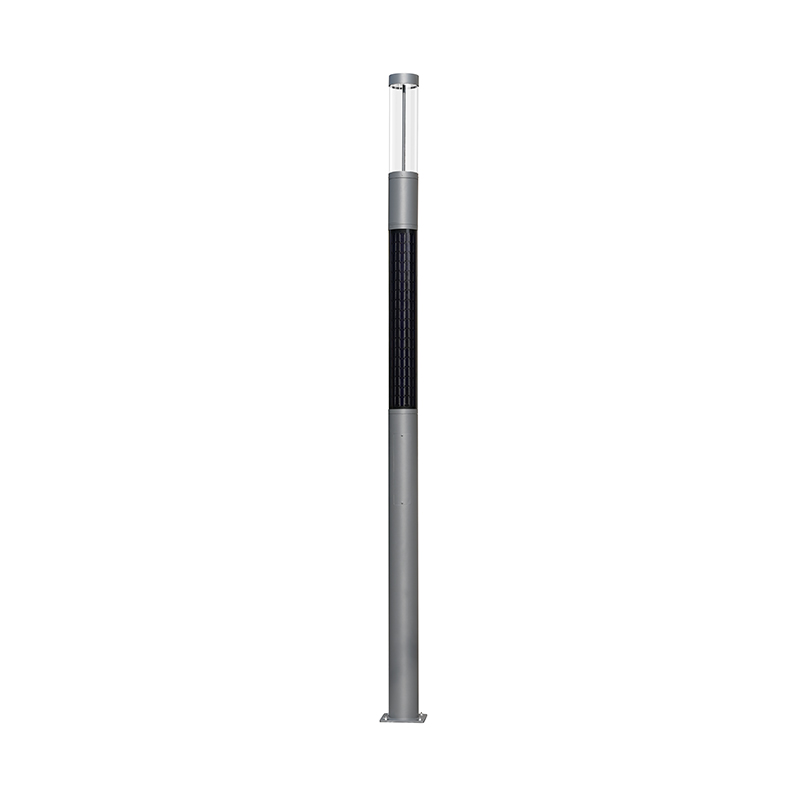
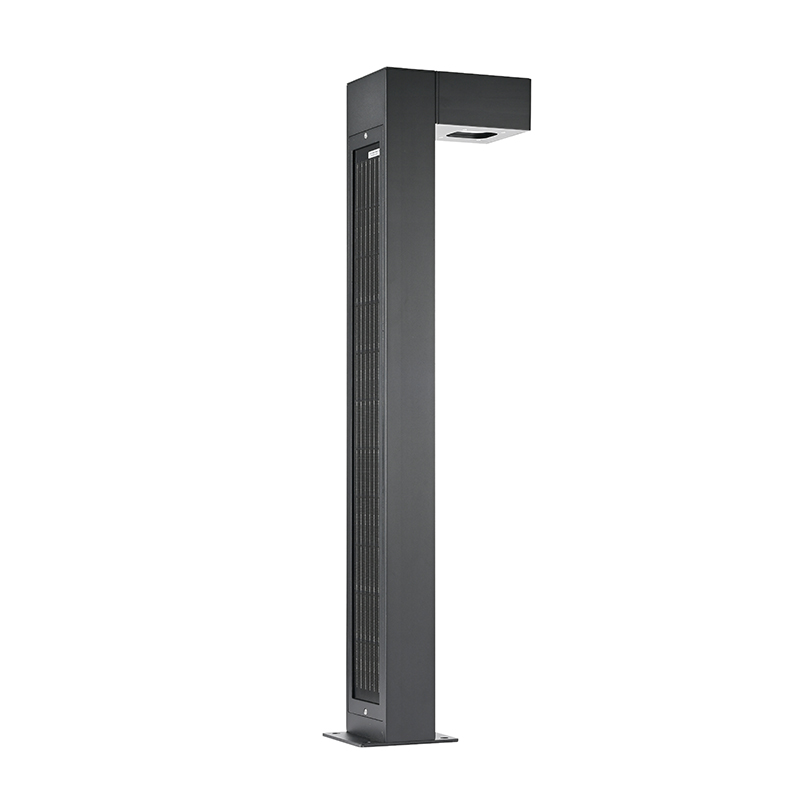
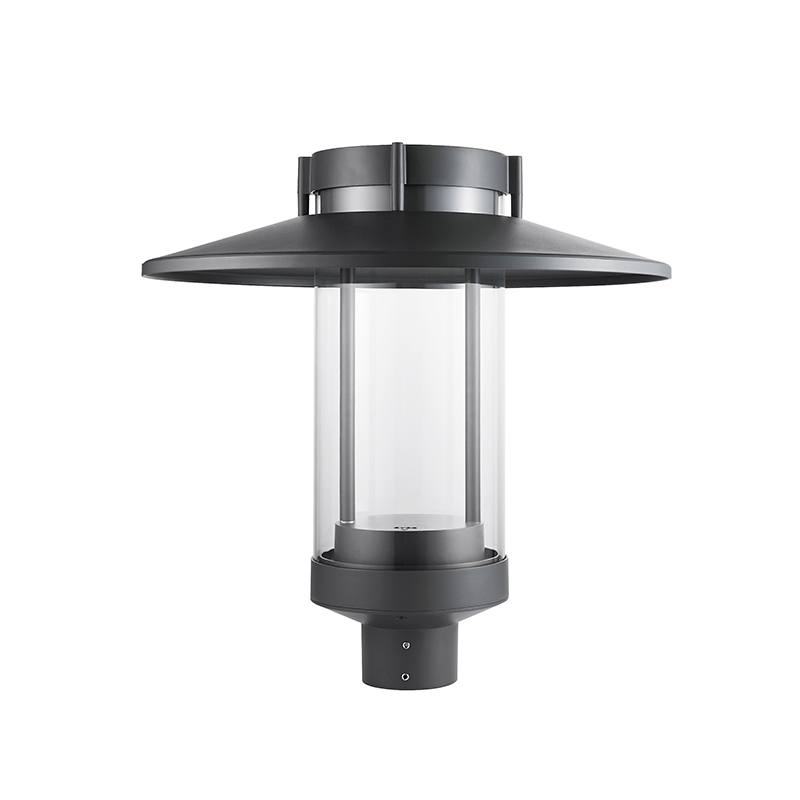
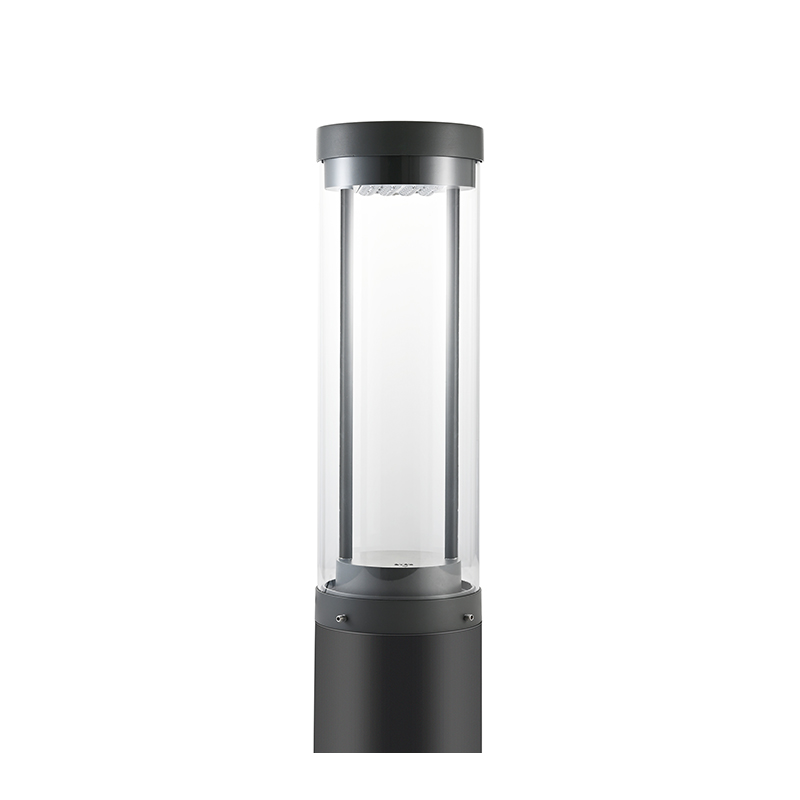
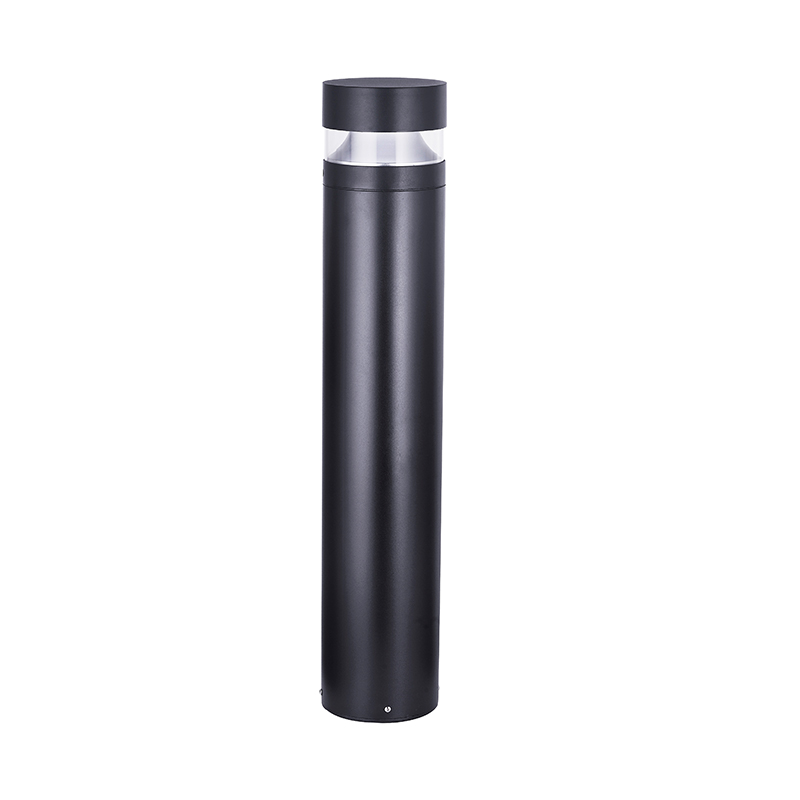
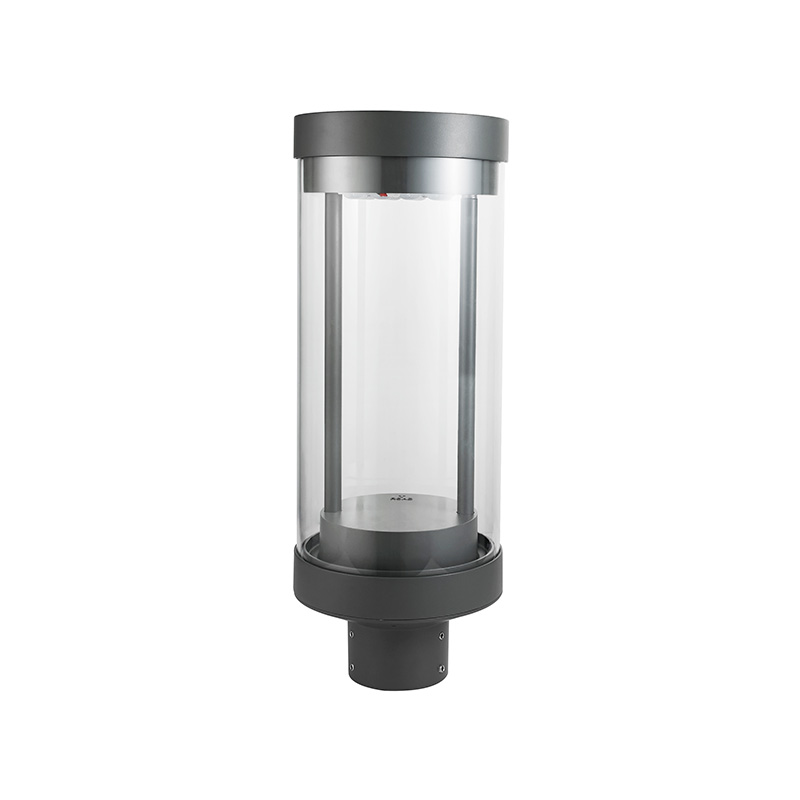
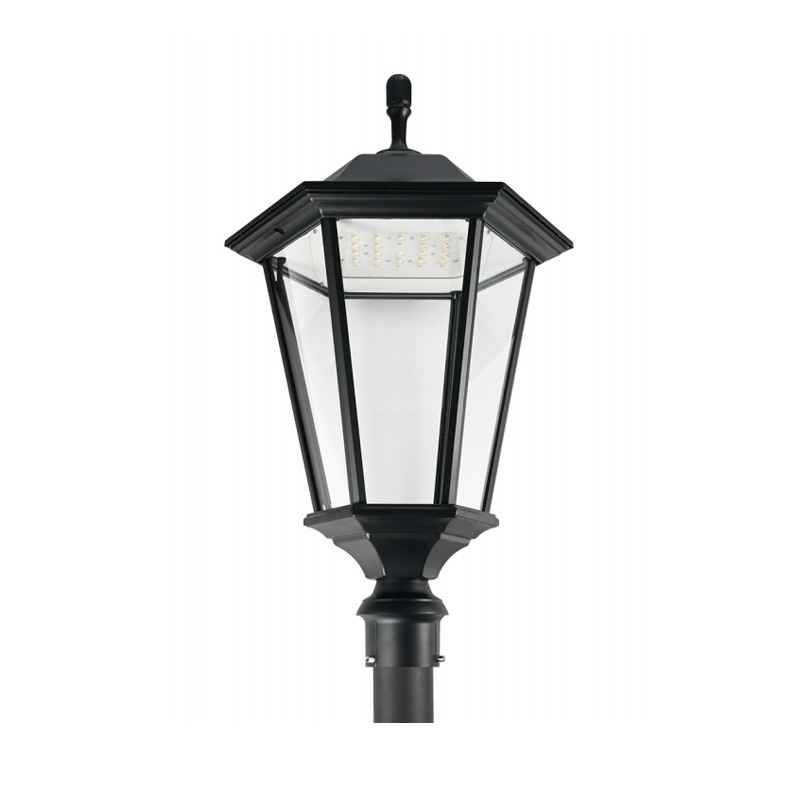
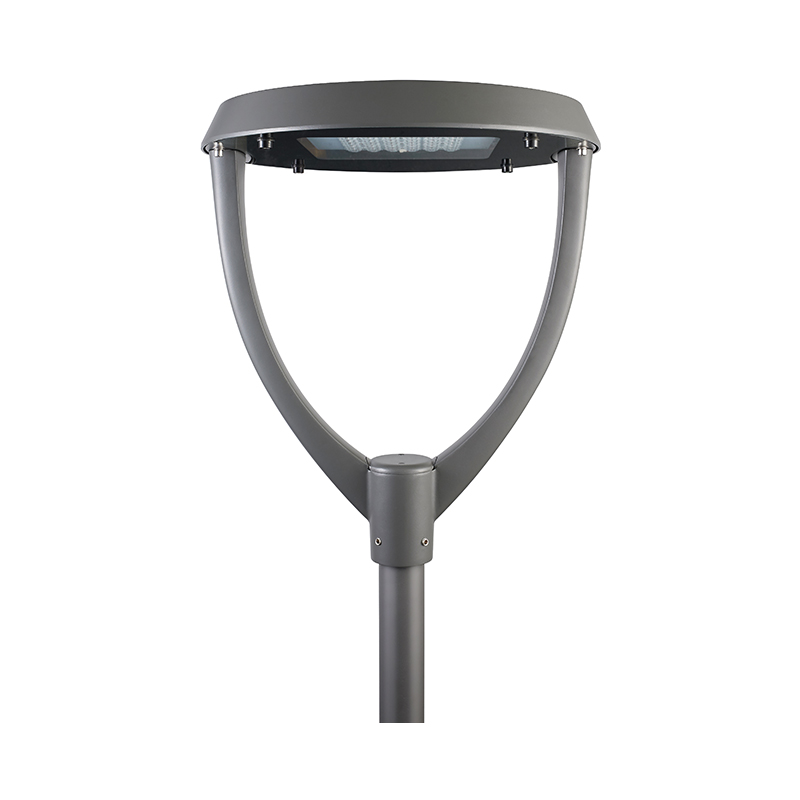
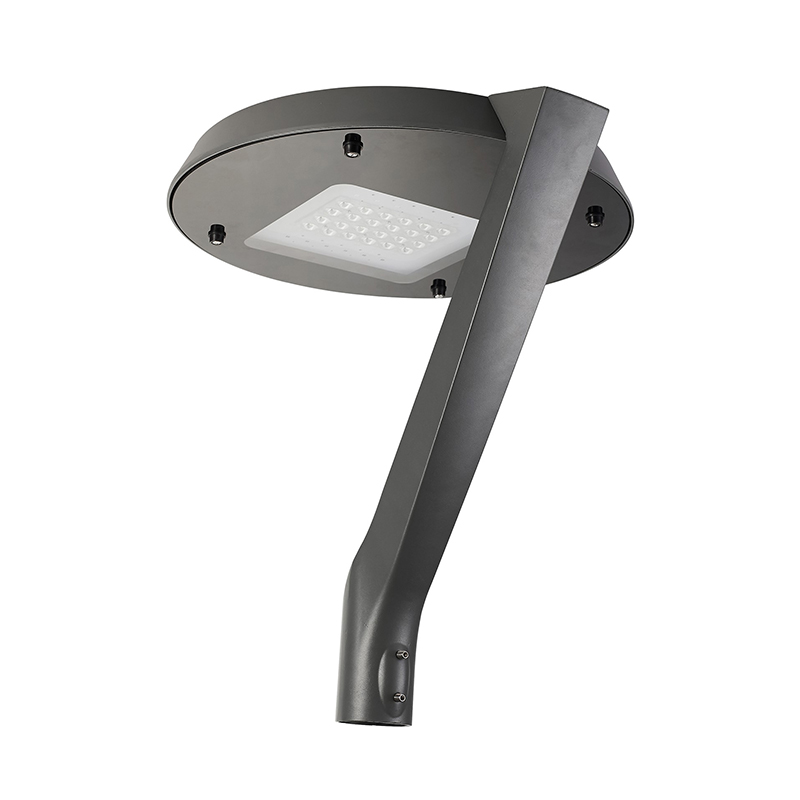
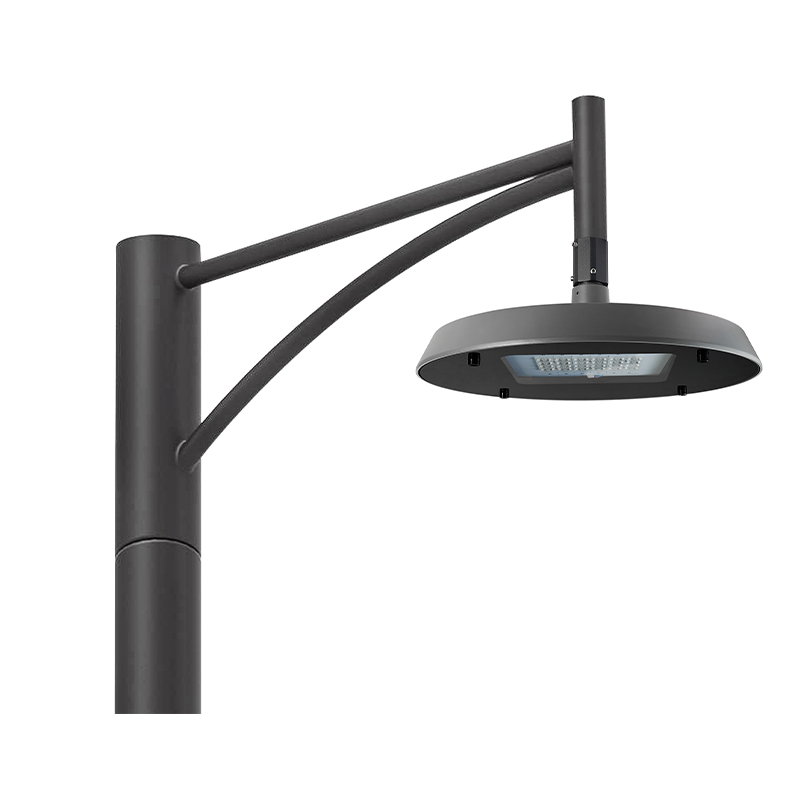
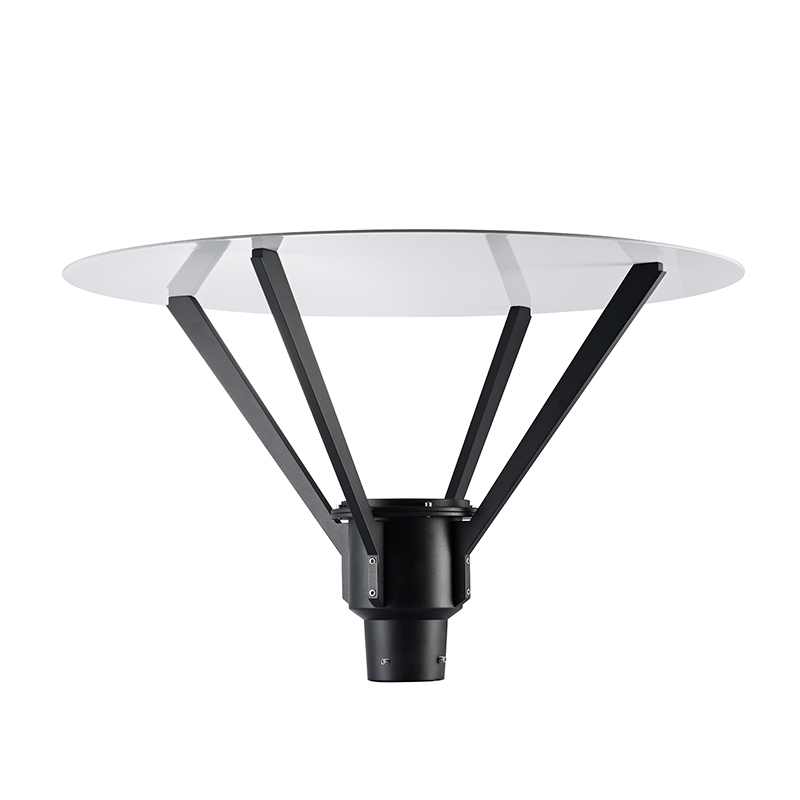
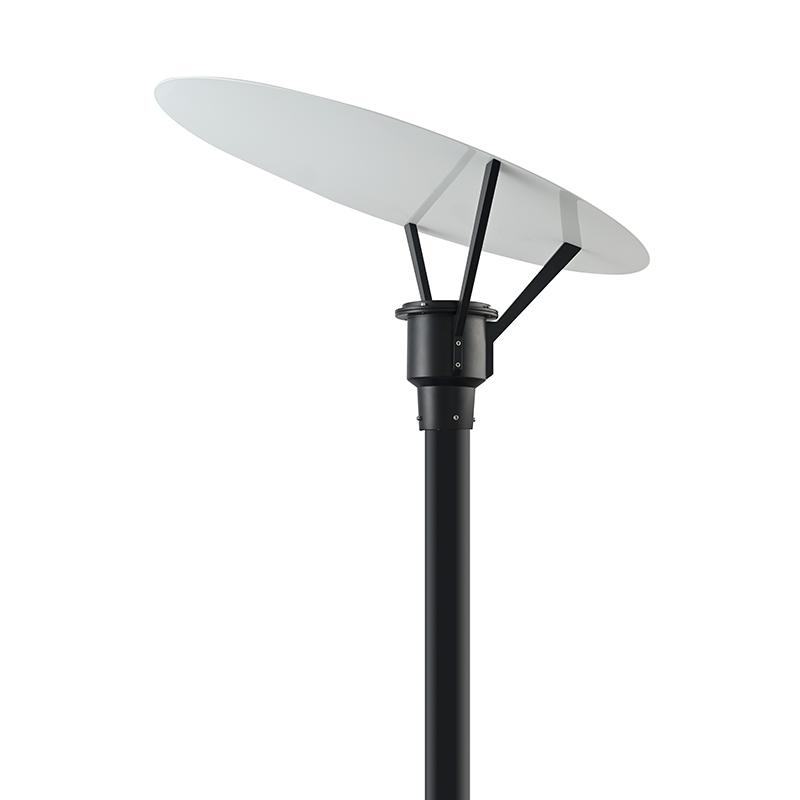
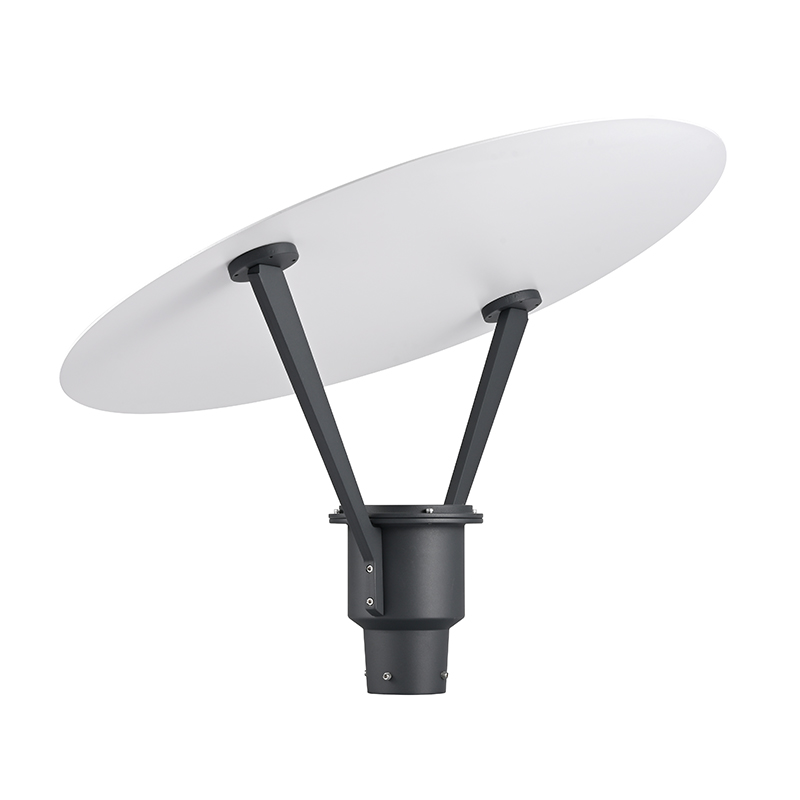
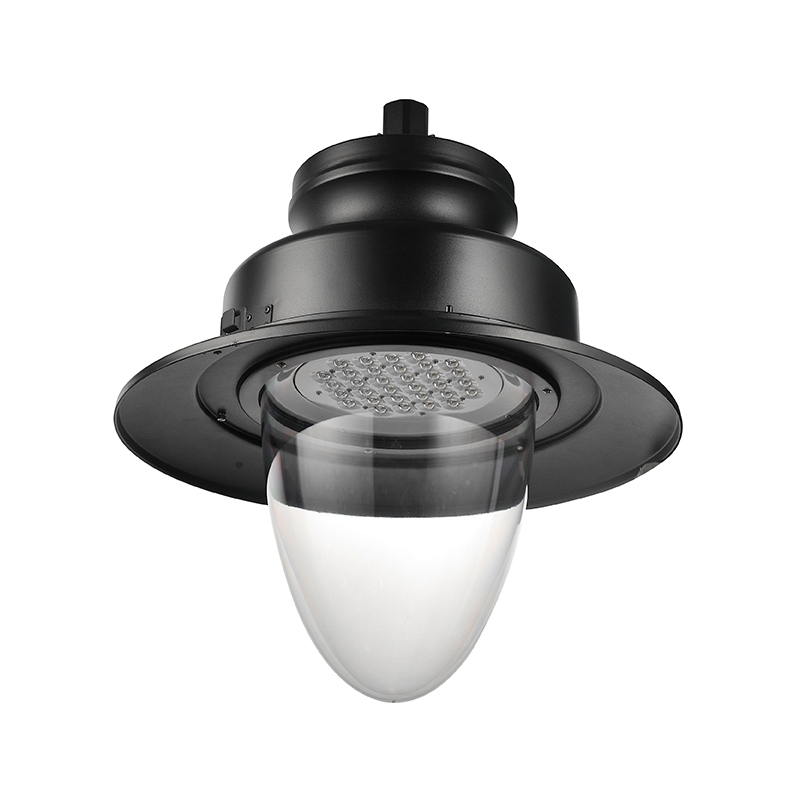
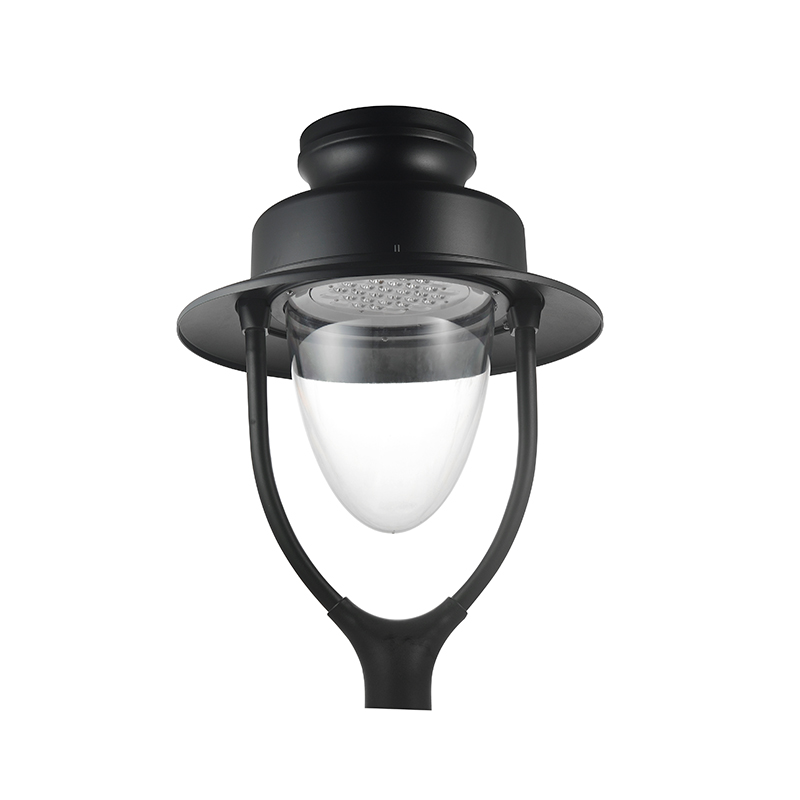
What is the purpose of installing Wall Lighting? Wall lighting serves four primary purposes: functional illumination, safety enhancement, architectur...
READ MORE



What is the purpose of installing Wall Lighting? Wall lighting serves four primary purposes: functional illumination, safety enhancement, architectur...
READ MOREWhat is Solar Lighting? Solar lighting is a self-contained, off-grid lighting system that converts sunlight into electricity using photovoltaic (PV) ...
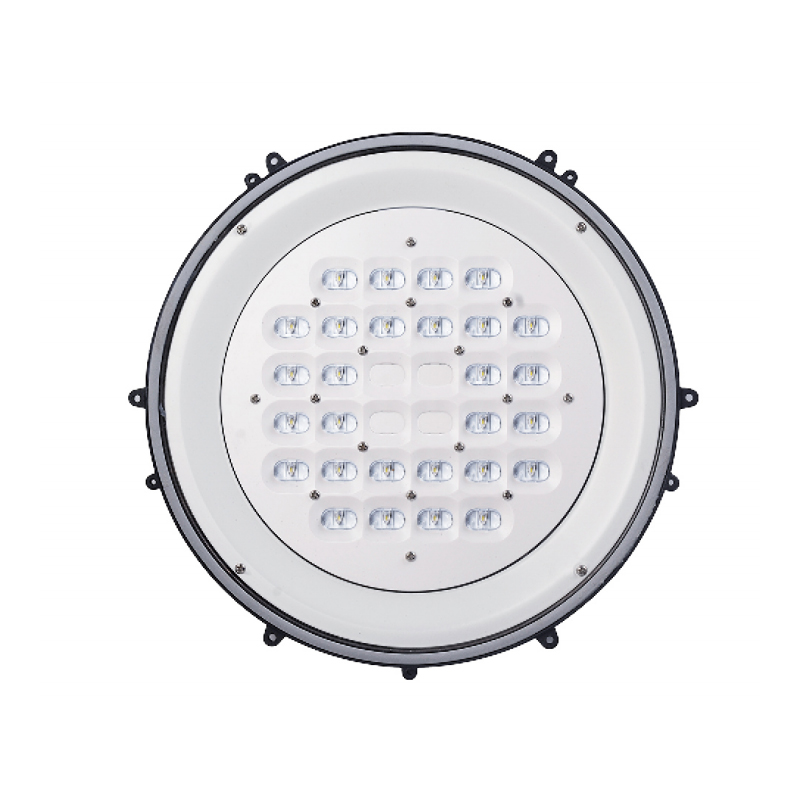
READ MOREWhat is an LED Module? An LED module is a self-contained, pre-assembled light-emitting unit built around one or more LED chips mounted on a substrate...
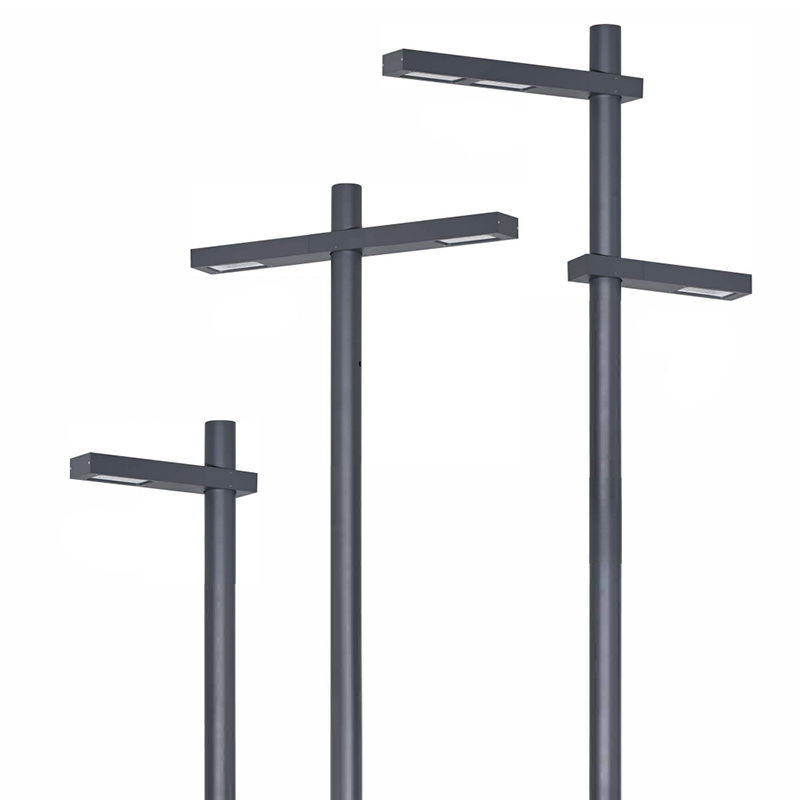
READ MOREThe subdivision of outdoor lighting scenarios drives the upgrading of the LED outdoor lighting product matrix, which covers diverse categories, includ...
READ MOREIndustry reports indicate that, driven by technological upgrades, policy support, and smart city construction, the LED outdoor lighting market has mai...
READ MOREPartnering with a qualified exterior lighting manufacturer is one of the most consequential decisions in any outdoor infrastructure, landscaping, or commercial development project. The right manufacturer does not simply supply a product — they deliver a complete exterior illumination solution engineered for the specific photometric, structural, environmental, and aesthetic requirements of each application.
Across product lines including LED garden lighting, lawn lighting, street lighting, light poles, LED modules, solar lighting, wall lighting, and footpath lighting, a capable exterior lighting manufacturer provides consistent quality, verified performance data, and long-term after-sales support — factors that determine whether an installation performs as designed for its full 20–30 year service life. Selecting an underqualified supplier based on unit price alone routinely leads to premature luminaire failure, non-compliance with local standards, and replacement costs that far exceed any initial saving.
OEM and ODM services allow distributors, project developers, utilities, and regional lighting brands to bring customized exterior lighting products to market under their own identity — without investing in independent manufacturing infrastructure.
A full-service exterior lighting OEM/ODM solutions provider covers the complete product development lifecycle: concept and optic design, prototype fabrication, photometric testing, certification (CE, RoHS, IK, IP), tooling, mass production, and quality assurance. Minimum order quantities for OEM/ODM exterior lighting programs typically start at 200–500 units per SKU, with lead times of 45–90 days from design approval to first production shipment depending on complexity.
| Parameter | OEM Scope | ODM Scope |
|---|---|---|
| Housing form and dimensions | Per client drawing | Manufacturer-designed, client-approved |
| Wattage and lumen output | Fully specified by client | Selected from manufacturer's range |
| Color temperature (CCT) | 2,700–6,500 K | 2,700–6,500 K |
| RAL color / surface finish | Any RAL / custom | Standard + custom RAL |
| Branding / labeling | Client brand throughout | Client brand throughout |
| Smart control integration | Per client specification | DALI-2, ZigBee, NB-IoT options |
| Certifications | CE, RoHS, UL, SAA as required | CE, RoHS standard; others on request |
No two outdoor lighting projects share identical requirements. A rooftop hotel terrace, a municipal cycle path, a residential estate entrance, and a highway interchange each demand a fundamentally different exterior lighting custom solution — different mounting heights, optical distributions, ingress protection levels, control protocols, and aesthetic vocabularies. A manufacturer capable of delivering genuine customization across all these dimensions is essential to project success.
LED garden lighting custom solutions address the specific visual identity of a landscape project — matching housing finishes to architectural materials, specifying warm color temperatures of 2,700–3,000 K that complement natural planting, and engineering optical distributions that highlight focal features without producing glare. Custom post heights, bracket arm configurations, and diffuser profiles allow garden luminaires to integrate seamlessly with the landscape design rather than reading as generic infrastructure.
Custom lawn lighting bollards can be specified with graduated heights from 400 mm to 1,000 mm, in materials ranging from powder-coated aluminium to corten steel, with lumen outputs tuned to the path width and spacing requirements of each specific site. For resort and hospitality projects where brand consistency is paramount, custom bollard profiles with proprietary top cap designs and logo elements can be manufactured at volumes as low as 200 units per model.
Street lighting custom solutions require photometric files (IES/LDT format) that demonstrate compliance with the applicable road lighting standard — EN 13201 in Europe, AS/NZS 1158 in Australasia, or ANSI/IES RP-8 in North America — for the specific road class and pole spacing of the project. A qualified exterior lighting manufacturer provides DIALux or Relux simulation reports as part of the custom solution documentation package, enabling specifiers to verify compliance before ordering.
Public area lighting solutions address the most demanding category of exterior illumination — spaces used by large numbers of people across extended operating hours, where lighting failures have direct safety and liability consequences. Parks, plazas, transport interchange areas, car parks, sports facilities, and civic squares all fall within this category, each with distinct illuminance, uniformity, and glare control requirements.
Effective public area footpath lighting solutions must satisfy both horizontal illuminance (ground-level brightness for safe walking) and vertical illuminance (facial recognition for personal security). The EN 13201 P-class standards require a minimum average horizontal illuminance of 5–15 lux depending on pedestrian route classification, with uniformity ratios of 0.25–0.40. For high-crime or high-risk pedestrian zones, vertical illuminance targets of 2–5 lux at 1.5 m height are increasingly specified to support CCTV facial recognition systems.
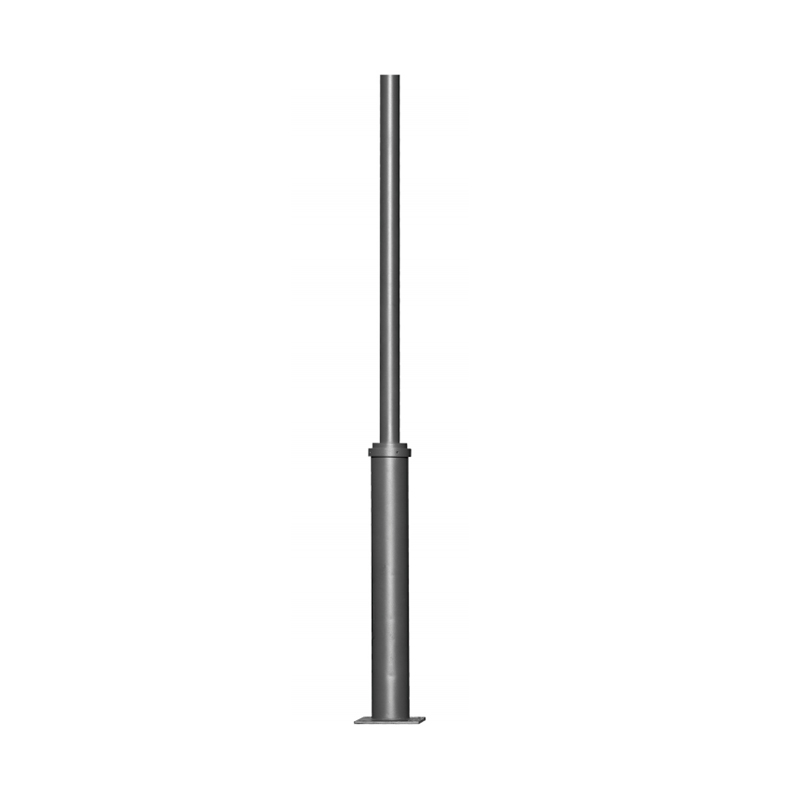
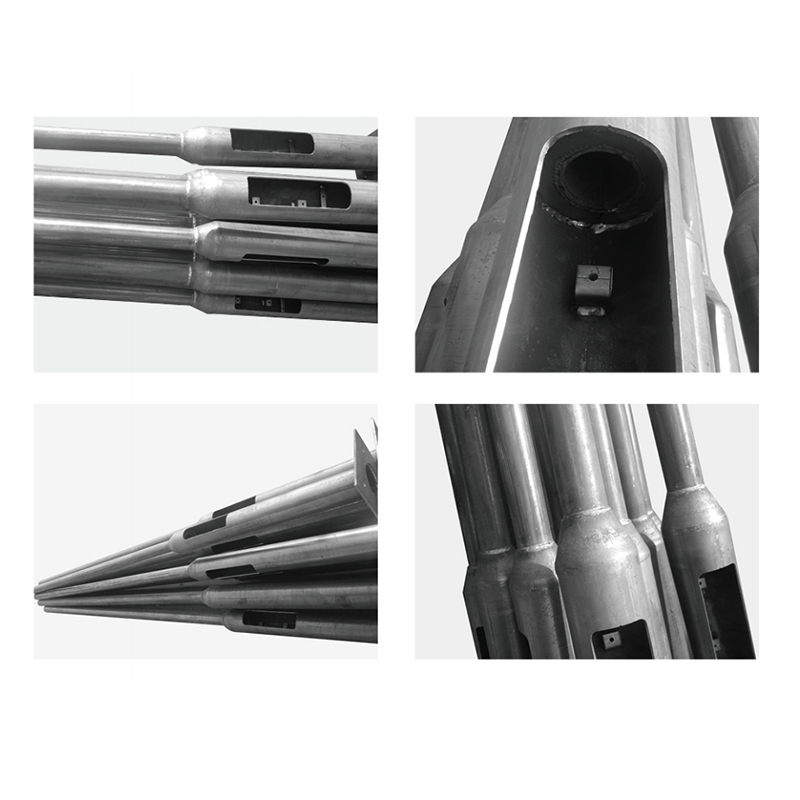
In public area lighting solutions, light pole selection involves structural engineering as well as aesthetics. Municipal poles must be designed to withstand the wind loads and seismic conditions of the installation region — for many territories, this requires third-party structural certification. Hot-dip galvanised steel poles with powder-coat finish are the most widely specified solution for road and plaza applications due to their combination of structural strength, corrosion resistance, and low lifecycle cost. Decorative cast aluminium poles are preferred in heritage town centers and high-design civic spaces where visual character is prioritized.
Solar lighting has become a mainstream public area lighting solution for parks, remote pathways, and rural community areas where grid connection costs are prohibitive. Modern all-in-one solar street light systems integrating PV panel, LiFePO4 battery, MPPT controller, and LED module in a single unit can be deployed and commissioned by two technicians in under one hour per pole — reducing installation labor costs by 60–80% compared to grid-connected equivalents in off-grid locations. Motion sensing dimming extends battery autonomy to 5–7 nights in poor solar conditions.
Wall lighting forms a critical component of public area security lighting strategies. Surface-mounted LED wall luminaires at building entrances, transport facilities, and civic building perimeters provide the vertical illumination needed for effective CCTV coverage while creating welcoming, well-lit environments that deter antisocial behavior. For publicly accessible locations, a minimum IK08 impact rating is standard practice; IK10-rated fixtures are specified for transport interchange and car park perimeter applications.
Many outdoor projects require multiple luminaire categories — a residential development might need garden post lights, lawn bollards, wall lanterns, footpath luminaires, and street lights all within a single scheme. Sourcing all categories from a single exterior illumination solutions provider delivers measurable advantages over multi-supplier approaches.
Not all manufacturers claiming exterior lighting expertise deliver equivalent product quality and technical support. The following specification areas are the most revealing indicators of genuine manufacturing capability and product reliability.
| Specification Area | Minimum Acceptable Standard | What to Request |
|---|---|---|
| Ingress protection | IP65 for outdoor luminaires | Third-party IP test certificate |
| LED lifespan (L70) | ≥ 50,000 hours | LM-80 test report for LED component |
| Luminaire efficacy | ≥ 120 lm/W (street / path lights) | Goniophotometer test report (IES/LDT) |
| Color rendering | CRI ≥ 70 (road); CRI ≥ 80 (pedestrian) | Spectroradiometer test report |
| Operating temperature | -40°C to +50°C ambient | Thermal test data or datasheet specification |
| Safety certification | CE + RoHS (EU); UL (North America) | Valid certification documents with product code |
| Power factor | PF ≥ 0.90 | Driver specification sheet |
| THD (harmonic distortion) | THD < 15% | Driver or luminaire EMC test report |
Understanding the full process sequence of an exterior lighting OEM/ODM engagement helps clients plan timelines accurately and identify the decision points that require their input. A well-managed program with a competent exterior lighting OEM/ODM solutions provider follows this sequence.
Minimum order quantities vary by product type and customization level. For standard products with custom branding only (logo, color change), MOQs are typically 100–200 units per SKU. For products requiring new tooling — custom housing profiles, unique optical assemblies, or non-standard dimensions — MOQs of 300–1,000 units are standard to amortize tooling investment. Some manufacturers offer lower MOQs for premium pricing or shared-tooling programs where custom elements are limited to cosmetic changes.
A complete ODM development cycle — from technical brief to first mass production shipment — typically takes 60–120 days depending on product complexity, certification requirements, and the number of revision cycles required. LED garden lighting and wall lighting with standard driver configurations sit at the shorter end of this range. Solar street lighting systems requiring custom PV-battery sizing calculations and all-in-one housing tooling sit at the longer end. Clients who provide detailed technical briefs with clear approval criteria at each stage consistently achieve faster time-to-market.
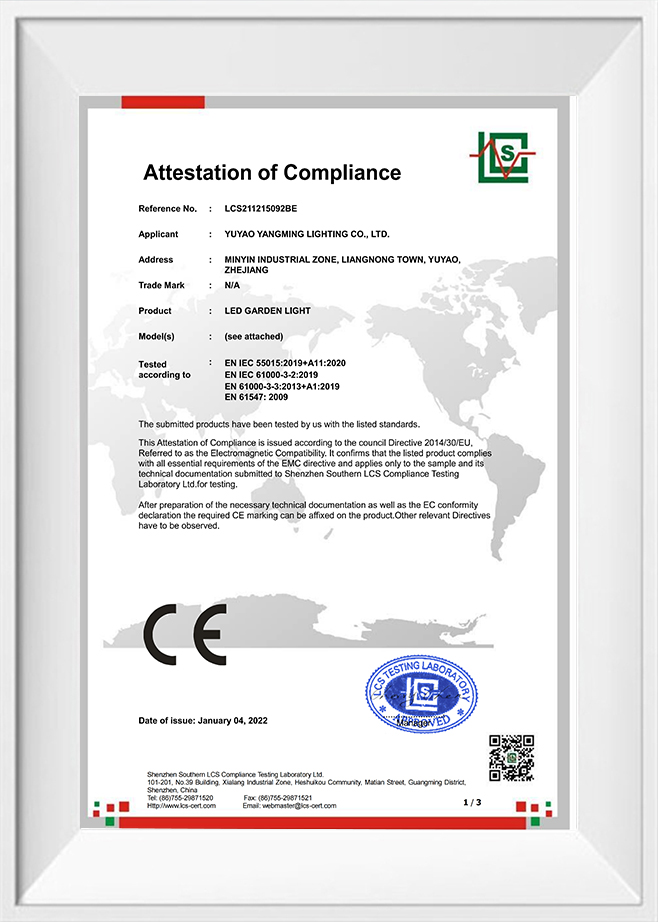
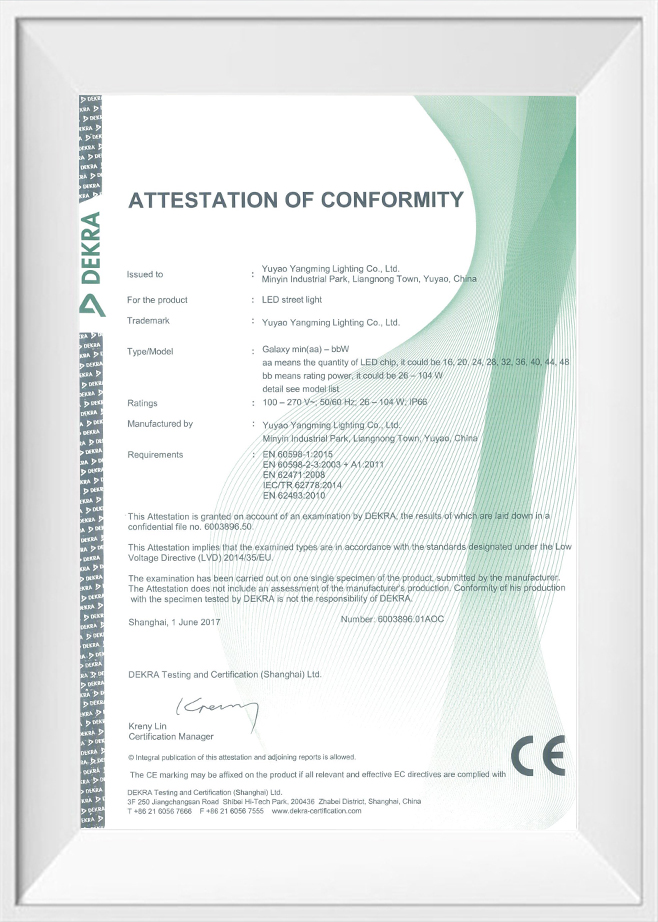
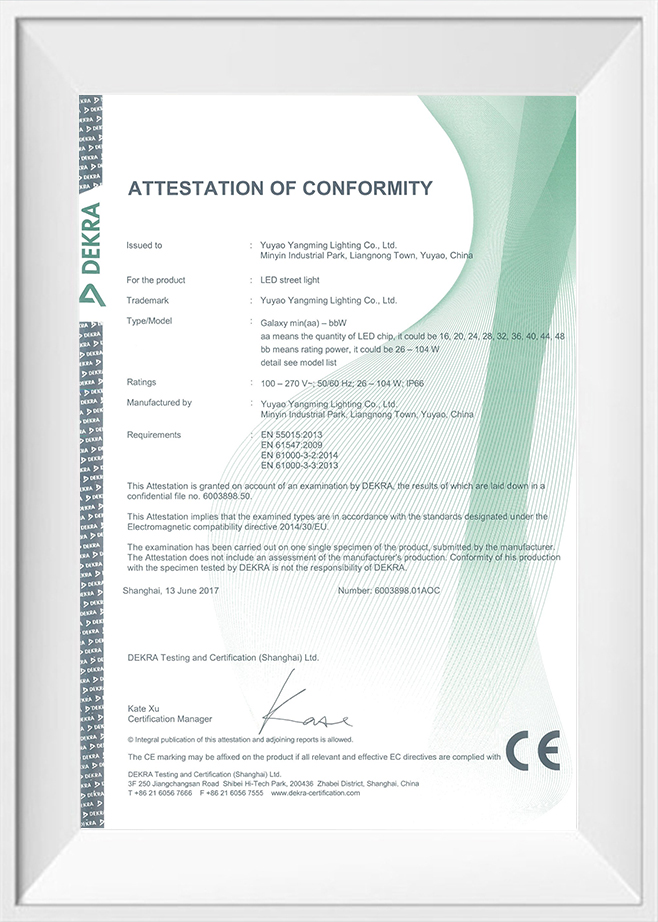
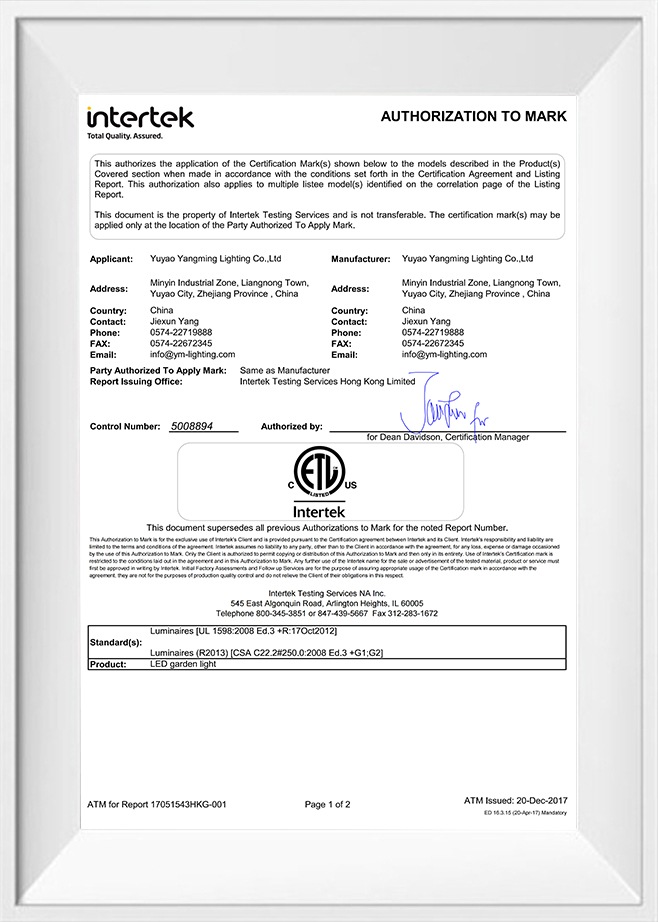
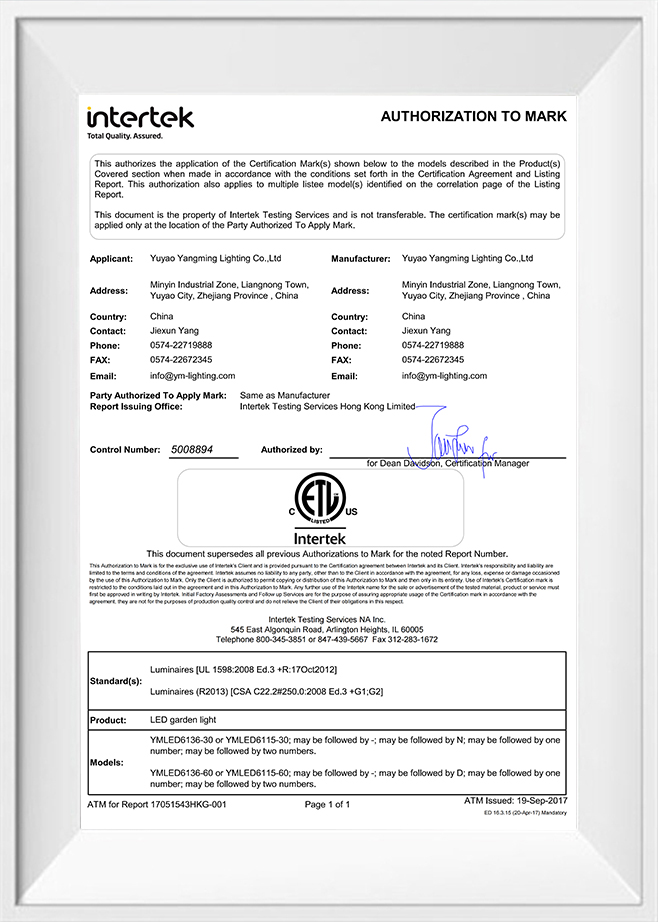
The required certifications vary by destination market. CE marking (including LVD and EMC directives) and RoHS compliance are mandatory for the European Union. UL or ETL listing is required for the United States and Canada. SAA certification applies to Australia and New Zealand. The GCC mark covers Gulf Cooperation Council countries. UKCA marking is required post-Brexit for the UK market. A well-resourced exterior lighting manufacturer maintains active certification programs for all major markets and can advise on the most efficient certification pathway for products targeting multiple regions simultaneously.
Yes. Modern exterior illumination solutions across all product categories — street lighting, footpath lighting, garden lighting, and solar systems — can be equipped with wireless communication nodes supporting DALI-2, ZigBee 3.0, LoRaWAN, or NB-IoT protocols. These nodes enable individual luminaire monitoring, remote dimming, fault detection, energy metering, and predictive maintenance scheduling from a central management platform. Smart control integration has been shown to deliver additional energy savings of 20–40% above the baseline LED efficiency gain through adaptive dimming and time-of-night scheduling — a compelling ROI argument for public area lighting solutions in municipalities facing energy cost pressure.
For coastal locations within approximately 1 km of the ocean, exterior lighting specifications should require IP66-rated housings (protection against powerful water jets), marine-grade aluminium alloy or fibreglass pole materials, Grade 316 stainless steel hardware throughout, and powder-coat finishes with a minimum 80 µm dry film thickness applied over a chromate conversion primer. Driver units should be specified with conformal-coated PCBs to prevent condensation-related failures. These specifications add 15–25% to luminaire cost but are essential for achieving the expected 20+ year service life in aggressive marine environments.
 Private Industrial Park, Liangnong Town, Yuyao City, Ningbo City, Zhejiang Province, China
 +86-13486062091
 +86-574-2222 2345
 +86-574-2267 2345
 info@ym-lighting.com
