
 English
 中文简体
中文简体

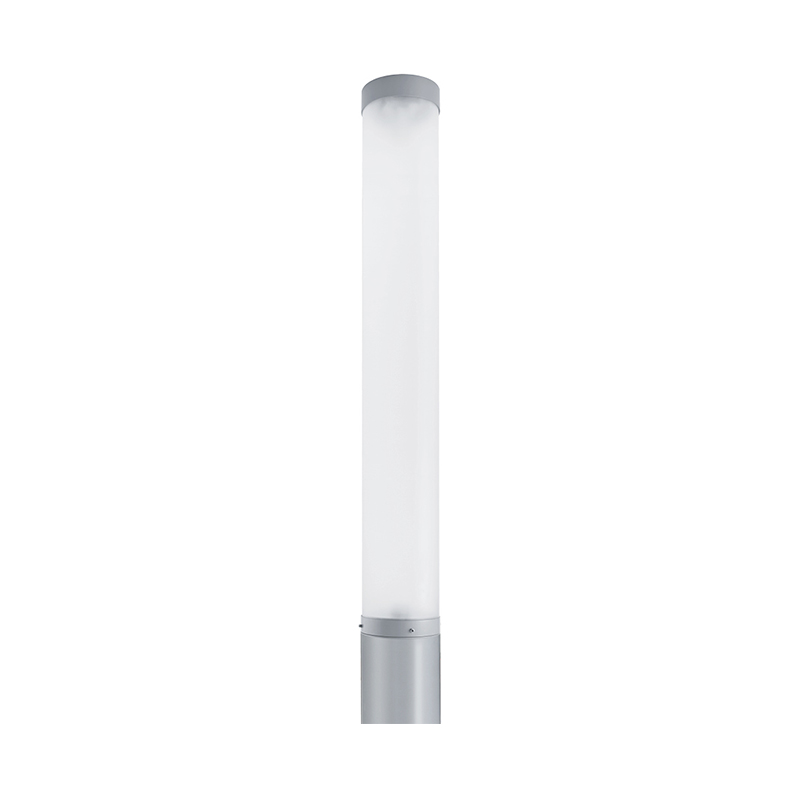
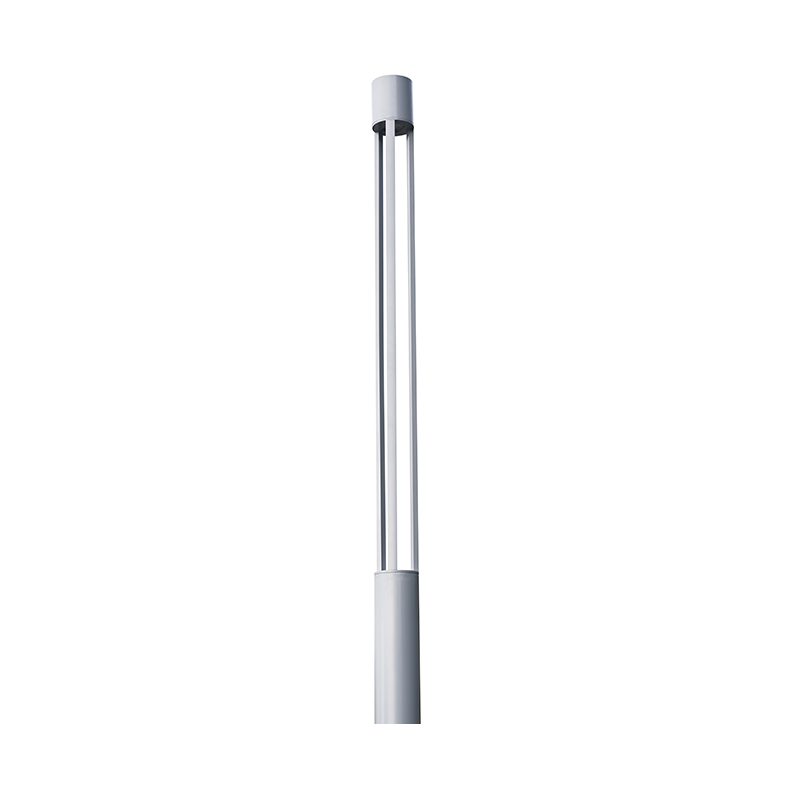
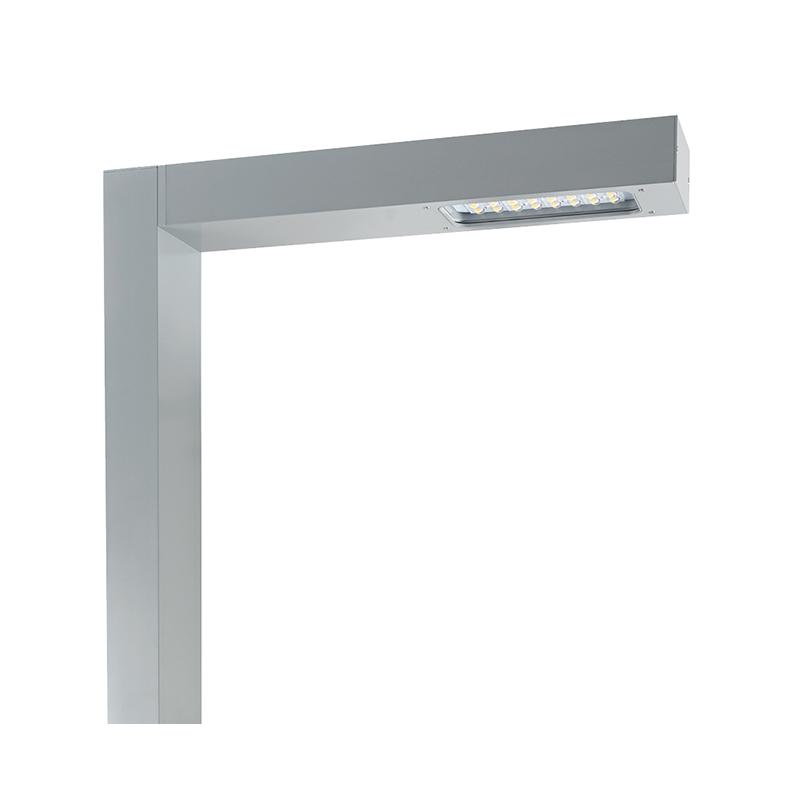
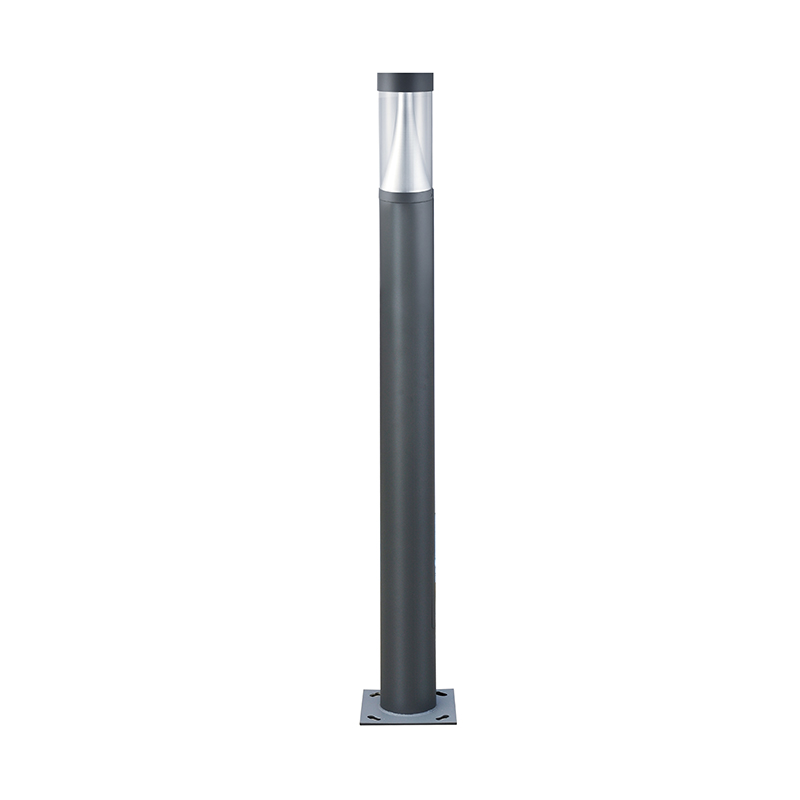
When a landscape architect or municipal engineer opens a lighting package and sees a note that says "dark sky compliant," the immediate question is usually practical: does this fixture actually meet ...
READ MORE
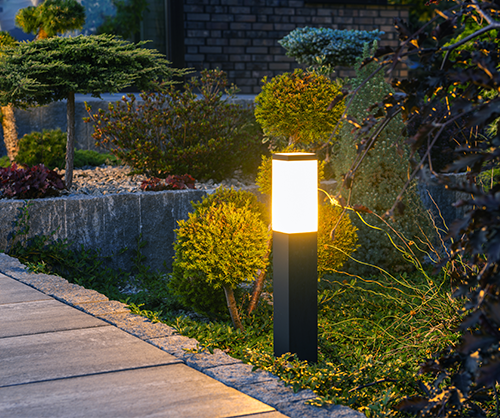
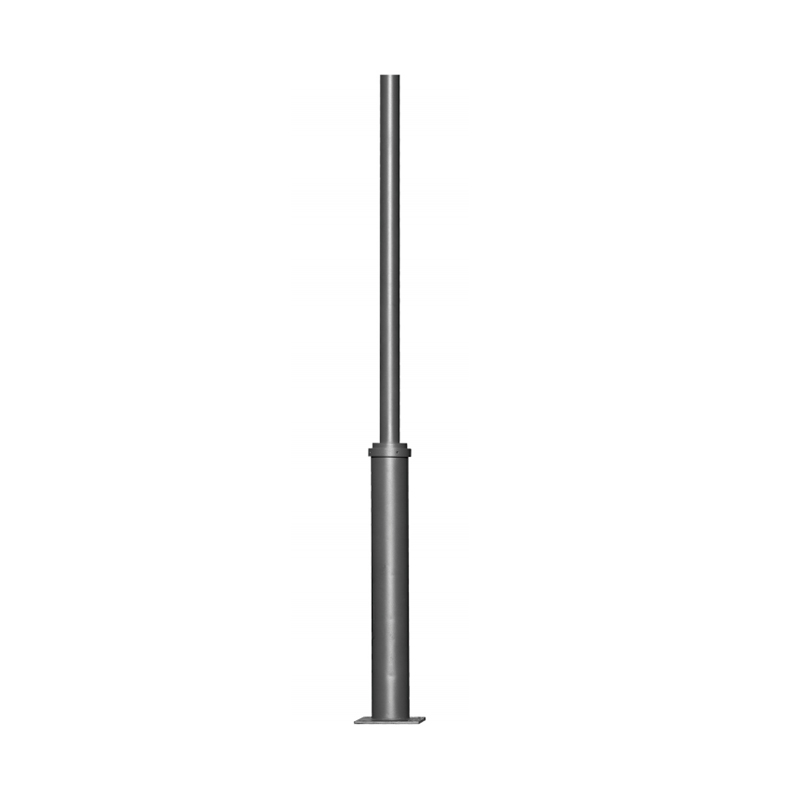
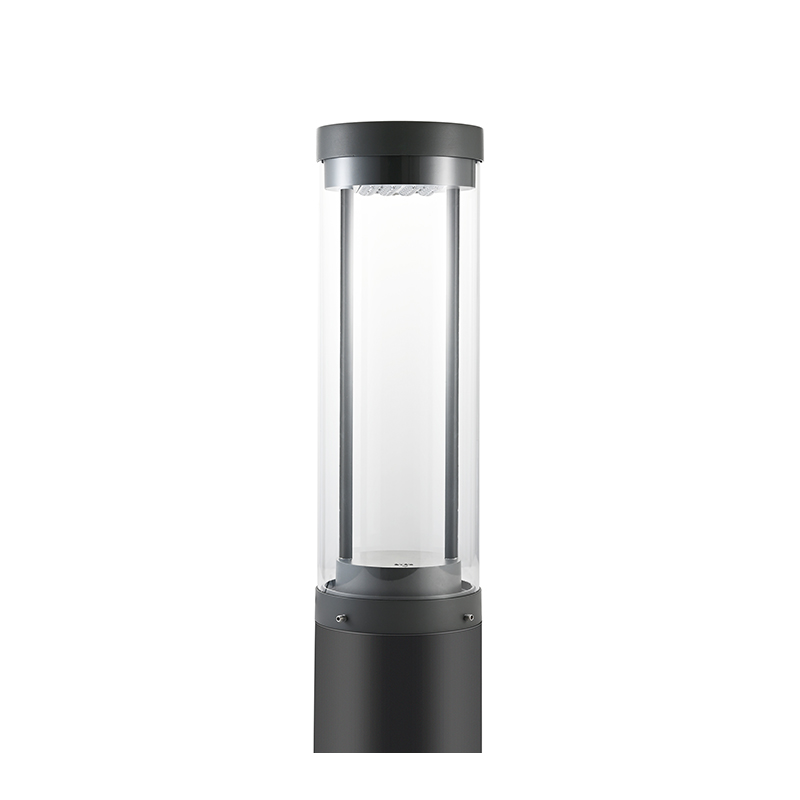
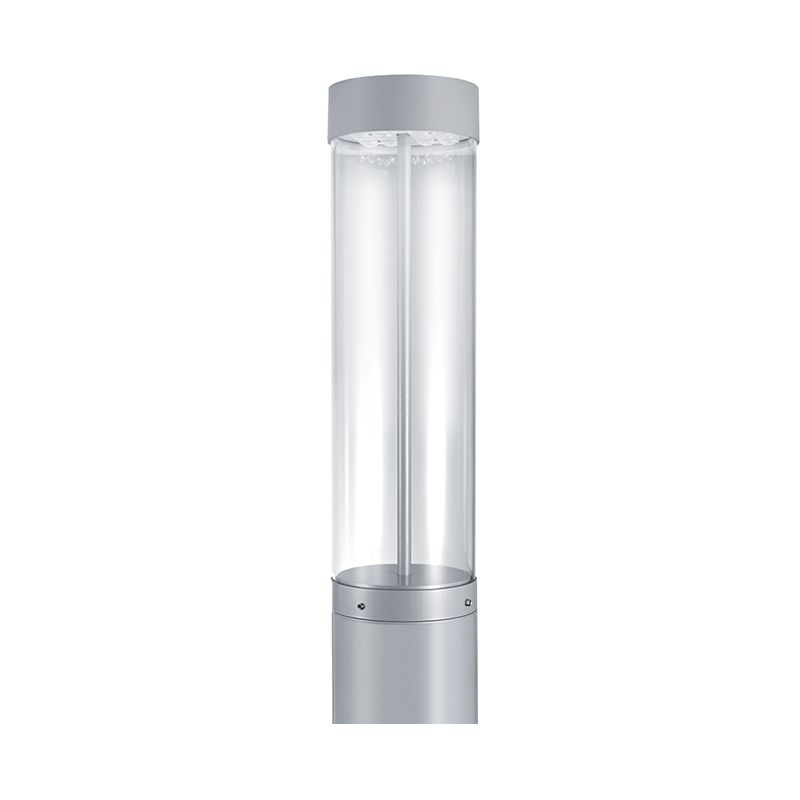
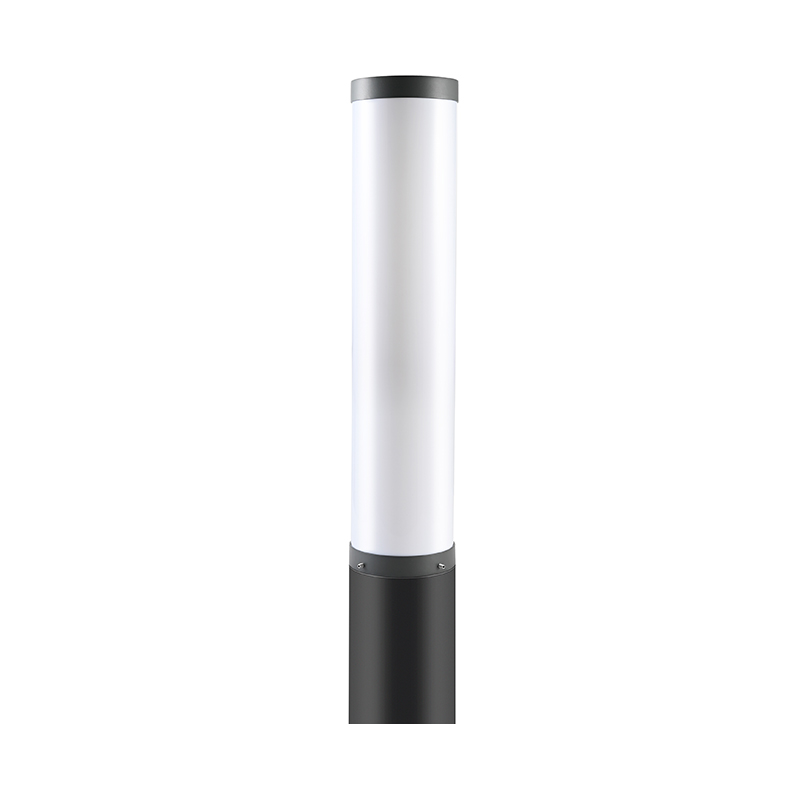
This series of pathway lights is specifically designed for narrow transit areas such as park walkways, residential tree-lined paths, scenic trails, and campus footpaths.
1. Efficient & Gentle Lighting: The products utilize low-power LED light sources with an exceptionally long lifespan (averaging ≥ 50,000 hours) and stable light output. The illumination is uniform and soft, designed to prevent glare and ensure that direct light does not interfere with pedestrians' vision.
2. Durability & Smart Control: A core highlight is the anti-glare design combined with an IP66 protection rating, allowing the fixtures to perform reliably in harsh weather like rain or fog. Select models support integrated PIR motion sensors and photocells, enabling "light on arrival, light off after departure" functionality to further enhance energy savings.
3. Versatile & Seamless Integration: These products can be customized to meet specific engineering requirements. Featuring modern designs and easy installation, they can be flexibly embedded along or lined up beside pathways. This ensures they blend naturally with the surrounding environment, balancing practical utility with aesthetic harmony.








When a landscape architect or municipal engineer opens a lighting package and sees a note that says "dark sky compliant," the immediate question is usually practical: does this fixture actually meet ...
READ MOREMost commercial LED outdoor lighting failures have nothing to do with the LED chip. A row of bollards along a coastal hotel car park can look perfect on handover day and still end up with cloudy lens...
READ MOREA specifier sends the same request for 200 roadway luminaires to three suppliers and receives three different fixtures, all described as cobra heads. One clamps onto the existing 2-3/8 inch tenon. On...
READ MOREA 14 unit townhouse complex left its rear service alley unlit for years, and the same three doors were forced open twice in one winter. The manager expected a quote for one large floodlight. The site...
READ MOREA road inside an industrial park has no grid connection, yet the site needs 12 hours of reliable lighting every night. That is the real starting point when someone begins looking for solar street LED...
READ MOREFootpath lighting is a specialized category of outdoor luminaire designed specifically for narrow pedestrian transit areas — park walkways, residential tree-lined paths, scenic trails, campus footpaths, and shared cycle-pedestrian routes. While street lighting prioritizes vehicle driver visibility at speed across wide carriageways, footpath lighting addresses a fundamentally different set of requirements: gentle, uniform, glare-free illumination that guides pedestrians safely, creates a comfortable nighttime environment, and integrates harmoniously with the natural or designed landscape through which the path runs.
The distinction matters because the photometric, aesthetic, and control requirements of footpath lighting diverge significantly from road lighting in almost every dimension. Footpath luminaires operate at lower mounting heights — typically 2.5–5 m — lower lumen outputs, with wider spacing-to-height ratios, and with greater emphasis on vertical illuminance (lighting faces and nearby features) rather than horizontal road surface brightness. Specifying road-scale luminaires on pedestrian paths produces excessive glare, harsh shadows, and an inhospitable nighttime character that discourages rather than facilitates pedestrian use.
Effective footpath lighting is the product of deliberate photometric engineering choices that collectively produce an illuminated environment suited to the pace, scale, and visual requirements of pedestrian movement.
Footpath luminaires use low-wattage LED light sources — typically 5–25 W depending on mounting height and path width — that deliver sufficient illuminance for safe movement without overwhelming the ambient environment. High-quality LED arrays rated at L70 ≥ 50,000 hours maintain stable, consistent output throughout their service life, eliminating the progressive darkening and color shift that characterize aging fluorescent or sodium sources. The stable lumen output of LED technology is particularly important in footpath contexts where a single failing luminaire creates a visible dark patch that undermines the safety and sense of security of the entire path.
Glare is the most important optical design criterion specific to footpath lighting. Unlike drivers in enclosed vehicles, pedestrians are directly exposed to luminaire light output at close range and low viewing angles. Direct glare from a bare or poorly shielded LED source reduces visibility of the path ahead by causing temporary reduction in eye adaptation — exactly the opposite of what effective footpath lighting should achieve. Anti-glare footpath luminaires use one or more of the following mechanisms to manage this risk: deep-set LED arrays positioned well behind the aperture plane, frosted diffuser glass or polycarbonate lenses that spread the LED output across the full aperture, internal baffles that shield the LED from near-horizontal sightlines, and secondary refractor optics that redirect light downward while eliminating direct LED visibility from normal pedestrian viewing angles. Quality footpath luminaires achieve Unified Glare Rating (UGR) values below 19 — the threshold below which glare discomfort is generally imperceptible.
Road lighting standards focus primarily on horizontal illuminance — brightness of the road surface under the luminaire. Footpath lighting standards additionally require adequate vertical illuminance — the brightness of vertical surfaces such as faces, signage, and potential hazards at pedestrian eye level. EN 13201 P-class standards for pedestrian areas specify minimum average vertical illuminance of 1–5 lux at 1.5 m height depending on path classification, alongside horizontal illuminance targets of 5–15 lux. This dual requirement drives footpath luminaire optical designs toward wider, more omni-directional distributions than the narrow asymmetric optics used in road lighting.
The transition to LED technology in footpath lighting has delivered improvements across every performance dimension that matters to specifiers, operators, and the pedestrians who use these paths daily.
LED footpath luminaires consuming 8–15 W routinely deliver the illuminance levels required for EN 13201 P4 and P3 pedestrian path classifications — performance that previously required 35–70 W compact fluorescent or 50–100 W high-pressure sodium sources. For a park or campus with 200 footpath luminaires operating 3,500 hours per year, replacing 50 W sodium bollards with 12 W LED equivalents saves approximately 26,600 kWh annually — a meaningful reduction in both operating cost and carbon footprint that justifies the capital investment in a straightforward payback calculation.
With LED array lifespans of L70 ≥ 50,000 hours, a footpath luminaire operating 4,000 hours per year will maintain acceptable light output for over 12 years before requiring a light source replacement. Compact fluorescent equivalents required lamp replacement every 8,000–12,000 hours — every 2–3 years — creating a significant ongoing maintenance cost for path networks with hundreds of luminaires. For parks and campuses where maintenance access requires specialized vehicles or working at height equipment, eliminating 4–6 lamp replacement cycles over the product's life represents a substantial operational saving.
Footpath luminaires in park and campus environments face exposure to heavy rainfall, ground-level flooding during storms, irrigation system spray, fog and condensation in coastal and riverside locations, and cleaning with pressure washers during maintenance. The IP66 ingress protection rating — full dust exclusion and resistance to powerful water jets from any direction — ensures that the LED array and driver remain protected in all these conditions without moisture infiltration. This rating should be considered the minimum acceptable specification for any outdoor footpath application; IP67 or IP68 is appropriate for luminaires in flood-prone locations or those installed near water features and waterway edges.
Park paths, scenic trails, and residential tree-lined walkways pass through environments rich in the natural colors of foliage, bark, stone, and water. LED footpath lighting with CRI ≥ 80 renders these materials with natural fidelity — the deep green of grass, the warm tones of autumn leaves, and the textural variation of natural paving are all accurately reproduced, creating an illuminated environment that feels alive and connected to the landscape. The high-pressure sodium sources commonly used in older path lighting produced a monochromatic amber light that rendered all these colors as variants of orange-brown, severely degrading the visual quality of the environment.
Modern footpath luminaires increasingly incorporate integrated smart control technology that dramatically reduces energy consumption beyond the baseline LED efficiency gain — while maintaining or improving safety and user experience through responsive, context-aware operation.
Passive Infrared (PIR) motion sensors detect the heat signature of moving people within the sensor's field of view — typically a cone of 8–12 m radius around the luminaire. When no presence is detected, the luminaire dims to a standby level (commonly 20–30% of rated output) that maintains basic orientation lighting and deters antisocial behavior. When a pedestrian enters the detection zone, the luminaire ramps to full output within 0.5–1.0 seconds — fast enough to illuminate the path ahead before the person reaches the lit area. After the person passes and the detection zone clears, a configurable hold-on time (typically 30–120 seconds) keeps the luminaire at full output before it dims back to standby.
In low-traffic park and campus environments where paths are unoccupied for the majority of nighttime hours, PIR-controlled footpath luminaires achieve additional energy savings of 50–70% versus fixed-output operation — making the total energy reduction versus legacy lighting sources 85–90% in typical low-traffic scenarios.
Integrated photocell sensors measure ambient light levels and automatically switch the luminaire on at dusk and off at dawn — eliminating the need for separate time-clock controls and ensuring operation is always aligned with actual light conditions regardless of seasonal day-length variation. Photocells can be combined with PIR sensors and dimming schedules to create a multi-mode control strategy: photocell-enabled at dusk, full output in early evening, dimmed during low-traffic late-night hours, and PIR-responsive throughout to ensure any pedestrian always receives adequate illumination.
For path networks without networked control infrastructure, pre-programmed time-based dimming profiles stored in the luminaire's driver allow the operating authority to configure a schedule suited to the path's use pattern — for example, 100% output from dusk to 23:00, 40% from 23:00 to 05:30, and 100% from 05:30 to dawn — without any external control signal or network connection. This simple approach delivers significant energy savings with zero ongoing management overhead, making it particularly suitable for parks and rural path networks where complex smart lighting infrastructure is difficult to justify economically.
Correct photometric design is the foundation of a footpath lighting installation that meets safety standards, delivers visual comfort, and operates within its energy budget. The key design variables — mounting height, pole spacing, lumen output, and beam angle — must be engineered together for each specific path geometry and classification.
| Class | Avg. Horizontal Illuminance (lux) | Min. Uniformity (Uo) | Typical Application |
|---|---|---|---|
| P1 | 15 lux | 0.40 | High-use urban pedestrian zones, transport interchanges |
| P2 | 10 lux | 0.40 | Busy campus paths, town center shared surfaces |
| P3 | 7.5 lux | 0.40 | Residential access paths, park main routes |
| P4 | 5 lux | 0.25 | Secondary park paths, residential tree-lined walkways |
| P5 | 3 lux | 0.25 | Low-use scenic trails, nature reserve paths |
| Path Type | Mounting Height | Pole Spacing | Lumen Output | EN Class |
|---|---|---|---|---|
| Urban pedestrian zone | 5–6 m | 18–25 m | 3,000–6,000 lm | P1–P2 |
| Campus / residential path | 3.5–5 m | 20–30 m | 1,500–3,000 lm | P3–P4 |
| Park / garden walkway | 2.5–4 m | 15–25 m | 800–2,000 lm | P4 |
| Scenic trail / nature path | 2.5–3.5 m | 15–20 m | 400–1,000 lm | P5 |
Footpath lighting is available in several distinct physical formats, each suited to different installation contexts, aesthetic requirements, and maintenance access conditions. Selecting the right format for each specific path environment is as important as getting the photometric specification correct.
Standing between 400 mm and 1,000 mm tall, bollard luminaires are the most widely used footpath lighting format in park and residential landscape environments. Their low profile keeps light close to the ground where pedestrians need it, eliminates upward light waste, and creates a visual scale consistent with the human dimensions of a garden or park setting. Bollards can be lined along path edges at regular intervals, positioned at path junctions to aid wayfinding, or grouped in clusters as focal accent features within a landscape design. Their relatively low mounting height makes re-lamping and maintenance straightforward without specialized access equipment.
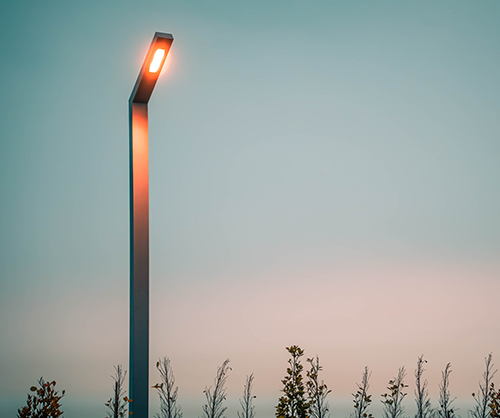
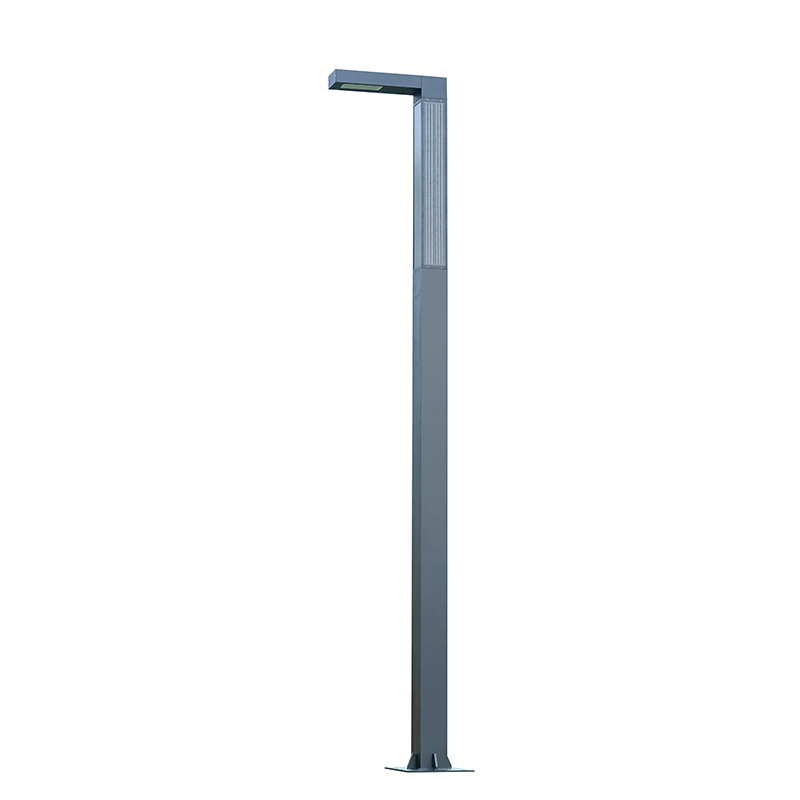
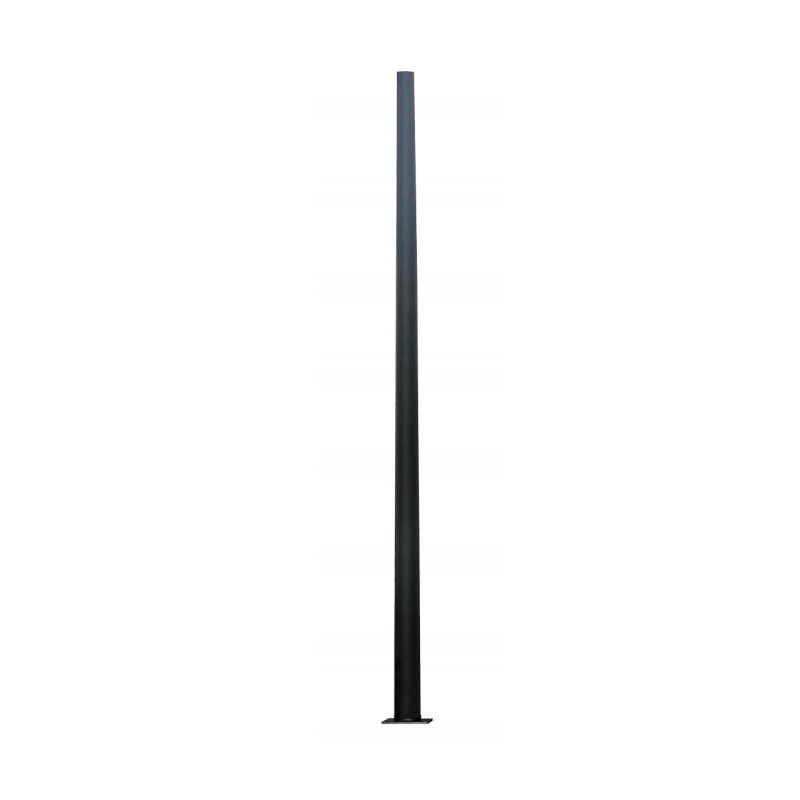
Post-mounted footpath lights at heights of 3–5 m provide a wider area of coverage per luminaire than bollards, reducing the number of poles required for a given path length and lowering infrastructure cost on long path runs. The greater mounting height also produces softer, more even illumination with fewer shadow contrasts between pole positions — a quality particularly valued on wide footpaths and plazas where multiple lanes of pedestrian movement need to be accommodated. Post-top formats with opal diffuser globes or lantern-style housings integrate particularly well in heritage and formal landscape settings.
In-ground recessed footpath lights are embedded flush with the path surface, directing light upward and outward at a low angle to define path edges and highlight features without any above-ground structure. This format is used where overhead obstructions such as tree canopies make conventional post mounting impractical, where visual cleanliness of the path is prioritized above all other considerations, or where vandalism resistance is paramount. Recessed in-ground fixtures must achieve IP67 or IP68 ratings and carry a load rating sufficient for occasional pedestrian traffic — typically ≥ 1,500 N point load for public path applications.
Steps, level changes, and path edge delineation represent the highest-risk locations on any footpath — the points where pedestrians are most likely to misjudge their footing. Integrated step lighting units recessed into riser faces or path edge kerbs illuminate these critical transitions with precise, directional illumination that clearly reveals the step geometry. Lumen outputs of 50–200 lm per step unit are typically sufficient for clear step delineation without creating glare for descending pedestrians.
In park, campus, and residential landscape environments, footpath luminaires are visible during daylight hours as structural elements of the landscape composition. Their visual impact during the day — shape, material, finish, and scale — is therefore as important a selection criterion as their nighttime photometric performance.
Quality footpath luminaires are manufactured from die-cast aluminium or 304/316 stainless steel with powder-coat finishes in a range of colors suited to different landscape contexts. Anthracite grey and matt black are the most widely used finishes for contemporary park and campus environments — they recede visually against dark background foliage and cast shadow, making the luminaire less conspicuous during the day while maintaining the functional integrity of the installation. Warm bronze and dark green finishes suit heritage gardens and formal landscape settings. Custom RAL color matching is available from quality manufacturers for projects where precise coordination with other landscape furniture and street furniture elements is required.
Modern footpath luminaire designs support multiple installation configurations that allow seamless embedding alongside or within path structures. Ground-anchored bollards use a buried anchor bolt or flanged base plate. Surface-mounted post lights use a circular base flange bolted to a concrete footing. Some designs support direct core-drilling installation into existing paving without above-ground base plates — a particularly clean solution for retrofitting lighting into established paved path environments. Integral cable entry glands, pre-wired terminal blocks, and generous cable management chambers within the base housing reduce installation time and ensure weather-sealed cable connections that maintain IP rating integrity throughout the product's service life.
Many footpath lighting projects — particularly large-scale campus, resort, municipal park, and mixed-use development schemes — have specific requirements that standard off-the-shelf products cannot fully address. Customization options available from quality manufacturers allow the lighting specification to be precisely tailored to each project's engineering, aesthetic, and operational needs.
For residential gardens, park walkways, and scenic trail environments, warm white at 2,700–3,000 K is the universally recommended color temperature. This range produces the inviting, relaxed atmosphere appropriate to leisure and recreational environments, complements the natural colors of garden planting and landscape materials, and minimizes disruption to the nocturnal wildlife that park environments support. Cooler color temperatures (4,000 K+) produce a harsher, more clinical character unsuitable for recreational paths and are associated with increased sky glow and greater disruption to insect and bird navigation behaviors.
When correctly designed, PIR-controlled footpath luminaires improve rather than compromise safety by ensuring the path ahead is always lit before a pedestrian enters any section. This is achieved through two design principles: a sufficiently large detection radius (≥ 8 m) so the luminaire responds before the pedestrian reaches the previously unlit zone, and a standby level (20–30% output) during no-presence periods that maintains basic orientation lighting and prevents complete darkness that could cause disorientation or alarm. Luminaires should also be positioned so that their detection zones overlap — ensuring continuous coverage with no detection gaps along the full path length.
Yes, and solar-powered footpath bollards and post lights are increasingly used for path sections where grid connection would require extensive trenching through established landscape areas. Modern all-in-one solar path lights integrating a PV panel, LiFePO4 battery, MPPT controller, and LED module in a single unit can operate reliably for 3–5 consecutive cloudy nights on a full charge — adequate autonomy for most temperate climate locations. Solar footpath lights are best suited to P4 and P5 classified paths where lower illuminance targets (3–5 lux) can be achieved with the modest battery and PV capacity that a bollard-scale form factor can accommodate.
For a standard residential garden path of 1–1.5 m width, bollard lights with an output of 300–600 lm should be spaced 4–6 m apart to achieve a comfortable ground illuminance of approximately 5 lux — the P4 classification minimum adequate for safe walking in a relaxed residential environment. Wider spacing is possible with higher-output bollards but risks creating the alternating bright/dark pattern (scalloping) that produces uncomfortable contrast and reduces the quality of the nighttime garden experience. A DIALux photometric simulation using the specific bollard's IES photometric file is the correct tool for verifying uniformity compliance before finalizing pole positions.
Street lighting (EN 13201 M-class) is designed around vehicle driver visibility requirements — horizontal illuminance targets on the road surface, luminance uniformity ratios, and threshold increment (TI) glare metrics calculated from a driver's viewing position. Footpath lighting (EN 13201 P-class) adds vertical illuminance requirements at 1.5 m height to address pedestrian facial recognition and hazard identification needs, uses lower absolute illuminance targets (3–15 lux vs. 15–75 lux for roads), and applies Unified Glare Rating (UGR) metrics suited to the close-range, walking-pace viewing conditions of pedestrian environments. These fundamental differences mean that a luminaire compliant with street lighting standards is not automatically appropriate for footpath use — and vice versa.
 Private Industrial Park, Liangnong Town, Yuyao City, Ningbo City, Zhejiang Province, China
 +86-13486062091
 +86-574-2222 2345
 +86-574-2267 2345
 info@ym-lighting.com
