May, 29, 2026
Yes, LED modules can be replaced in most professional and commercial lighting fixtures—and this replaceability is one of the deliberate design advantages of modular LED lighting systems. Replaceable LED modules allow a luminaire's light-emitting component to be swapped out when it reaches end of life, when an upgrade is needed, or when the module fails prematurely, without replacing the entire fixture housing, driver, and installation infrastructure. However, replaceability is not universal: some consumer-grade luminaires use integrated, non-serviceable LED arrays permanently bonded to the housing, and these cannot be repaired by replacing the module alone.
Whether a specific LED module is replaceable depends on how it was designed and how it is installed. Understanding the distinction between replaceable and non-replaceable LED modules, how replacement works in practice, and what to look for when selecting luminaires for long-term maintainability is the subject of the sections that follow.
Content
An LED module is a self-contained assembly that serves as the primary light-emitting component of a luminaire. It typically consists of one or more LED chips mounted on a printed circuit board (PCB), a heat-conducting substrate or metal core PCB (MCPCB) for thermal management, and electrical connection points for interfacing with the luminaire's driver. LED modules are used as the replaceable core in street lights, courtyard lights, wall lights, advertising light boxes, panel lights, downlights, and numerous other fixture types.
Replaceability matters for several practical reasons:
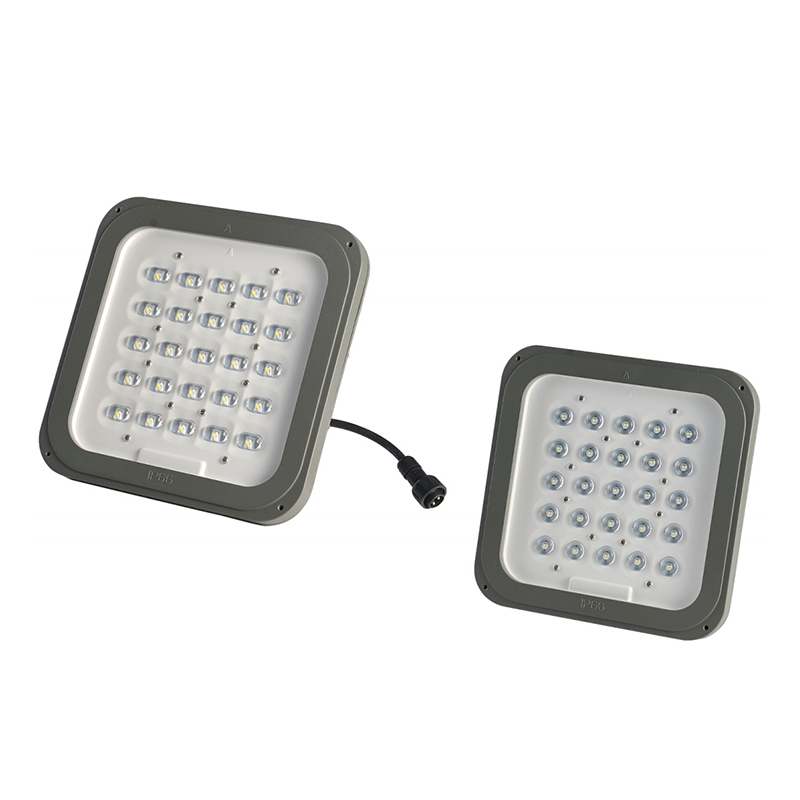
Several distinct LED module designs are used in replaceable configurations, each with different physical formats, connection methods, and practical replacement procedures.
Plug-in LED modules use dedicated connector interfaces—typically standardised multi-pin sockets—that allow the module to be disconnected from the driver and fixture wiring by pulling the connector apart, without any soldering or tool-based wiring work. This design is particularly common in street lighting, high-bay luminaires, and courtyard lights where modules must be replaced in the field by maintenance technicians without specialist electrical equipment. The replacement procedure for a plug-in module is straightforward:
SMD-format LED modules are mounted on printed circuit boards using surface mount technology, where the LED packages are soldered directly onto the board surface rather than inserted through holes. At the module level (as opposed to the individual chip level), SMD-configured LED PCBs designed for replacement are typically secured to the fixture heat sink with screws and connected to the driver via a plug or terminal block. Replacement at the module level does not require PCB-level soldering; the entire PCB assembly is swapped as a unit.
SMD LED modules are used extensively in panel lights, downlights, wall lights, and advertising light box applications where the flat PCB format suits the luminaire geometry. Their key advantage for replacement is that individual LED packages of known type and quantity are visible and identifiable, making it possible to source compatible replacement modules from multiple suppliers rather than being dependent on a single manufacturer's proprietary part.
COB LED modules integrate multiple LED chips directly onto a single substrate without individual packaging, creating a high-density, compact light-emitting surface. Replaceable COB modules are designed so the entire COB assembly—chip cluster, substrate, and typically a reflector or lens—can be exchanged as one component. COB modules produce a more uniform and intense light output compared to discrete SMD arrays of equivalent area, making them preferred in spotlights, downlights, and street lights where high luminous intensity from a small source is required. Replacement COB modules are generally more expensive per unit than equivalent SMD modules but cover higher power applications where the performance justifies the cost.
The Zhaga Consortium has developed a series of standardised interface specifications for LED modules used in outdoor and commercial lighting. Zhaga-compliant modules from different manufacturers share the same physical dimensions, connector formats, and mounting hole patterns, making them interchangeable between Zhaga-compliant luminaires. This standardisation significantly reduces the risk of being locked into a single supplier for replacement modules—a practical concern when planning luminaire maintenance over a 20 to 30-year installation lifetime. Book 2, Book 7, and Book 13 of the Zhaga standard cover the most widely used outdoor LED module form factors for street and area lighting.
Not all luminaires are designed for LED module replacement. Understanding the categories of non-replaceable LED designs helps avoid specifying equipment that will require complete luminaire replacement when the LED reaches end of life.
Many consumer-grade LED luminaires—including certain decorative pendants, outdoor wall lights, and flush ceiling fittings—use LED arrays that are permanently integrated into the luminaire body, often sealed with adhesive, potting compound, or a permanently bonded lens. These cannot be opened without destroying the fixture. The design philosophy is that the LED's rated life (typically 25,000 to 50,000 hours) should match or exceed the intended product lifespan, making serviceability unnecessary. While this is often valid for domestic decorative lighting, it creates a disposal problem and limits the product's useful life when LEDs fail prematurely due to thermal stress, voltage fluctuations, or manufacturing defects.
LED strip lights and tape lights embed LED chips and resistors directly on a flexible PCB that cannot be disassembled to replace individual components. When part of a LED strip fails, the typical remediation is to cut out the failed section and splice in a replacement length, or replace the entire strip run. This is not "module replacement" in the traditional sense but is effectively a partial replacement achievable with basic electrical skills and appropriate connectors.
Some luminaire manufacturers design LED modules with proprietary physical formats, connectors, or PCB dimensions that are not compatible with any third-party module and are only available as spare parts from the original manufacturer. When the manufacturer discontinues the product or ceases trading, replacement modules become unavailable, rendering the luminaires unrepairable. This is a significant long-term risk for large-scale installations and is one reason why Zhaga standardisation has gained traction in professional outdoor and commercial lighting markets.
The practical process and implications of LED module replacement differ significantly across different luminaire categories. The following examples illustrate the range of replacement scenarios encountered in real maintenance and upgrade situations.
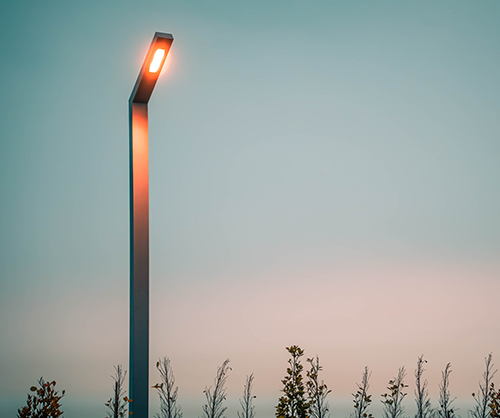
Municipal street light maintenance programmes regularly involve LED module replacement as a scheduled maintenance activity. A typical street light LED module for a 30W to 100W luminaire is a flat rectangular assembly, 100 mm to 300 mm in length, that slides or bolts into the optical chamber of the luminaire head and connects to the driver via a standardised multi-pin connector. Replacement by a trained technician using a cherry picker or ladder takes approximately 15 to 30 minutes per luminaire, compared to the 2 to 4 hours required to replace a complete luminaire including rewiring and optical alignment. Over a fleet of thousands of street lights, this time saving translates to significant maintenance budget reductions.
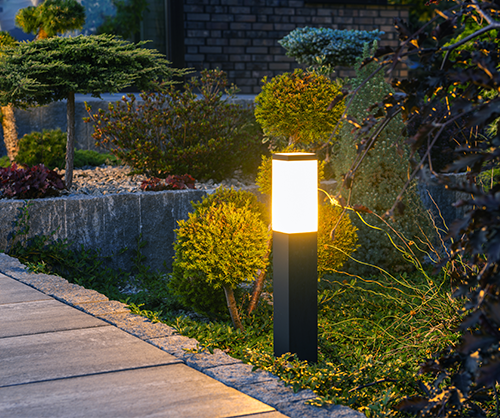
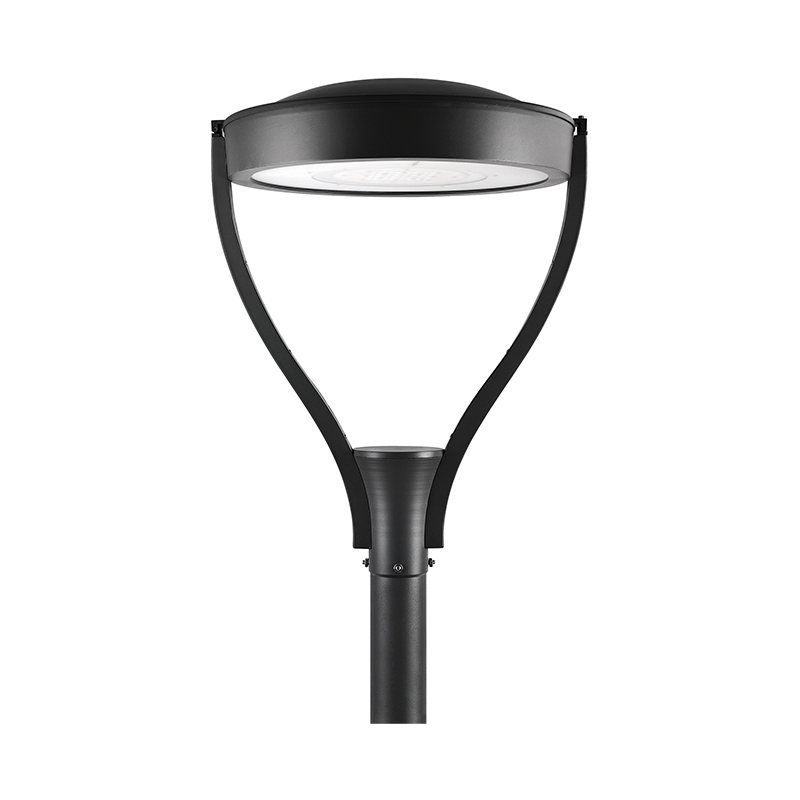
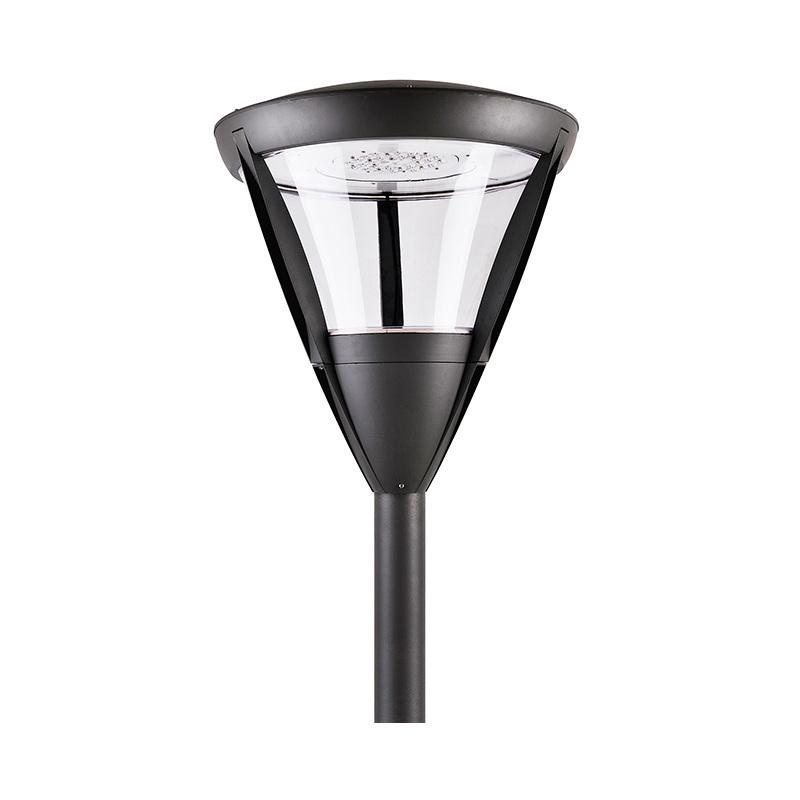
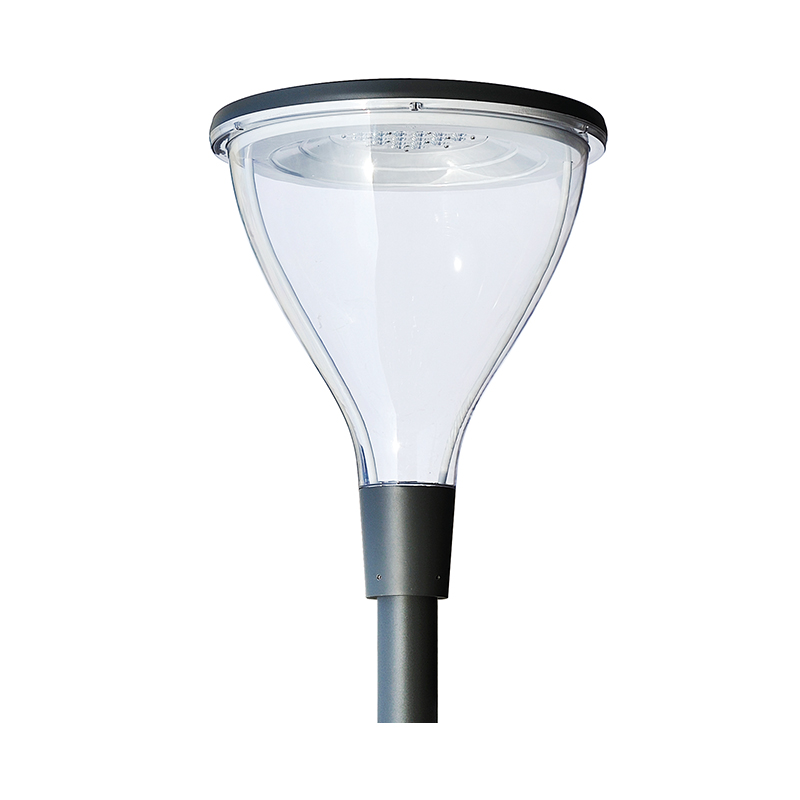
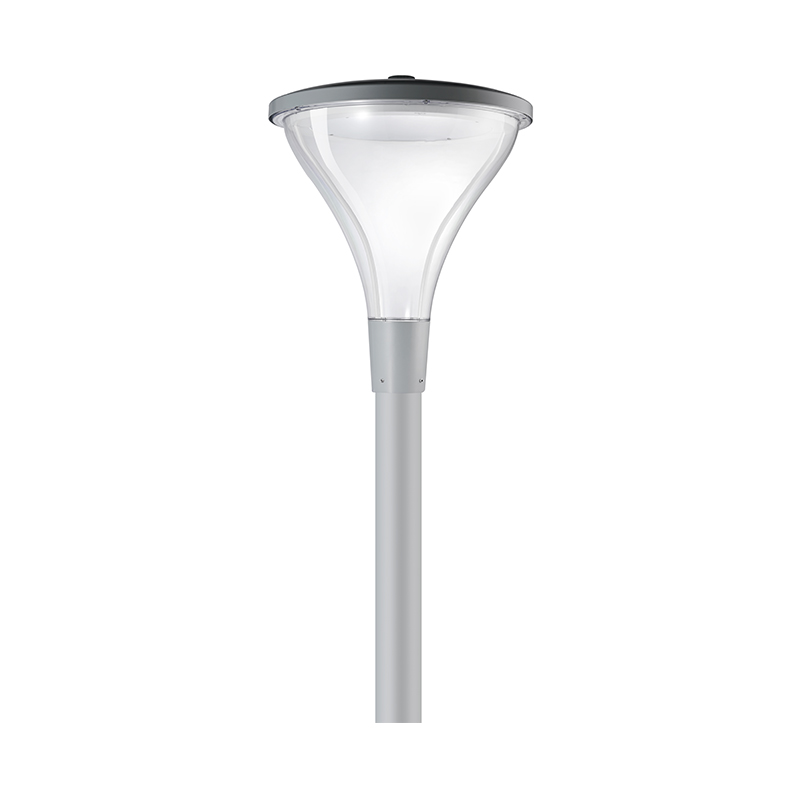
Courtyard and garden luminaires—bollard lights, post-top lanterns, and pathway lights—used in residential estates, hotel grounds, and parks frequently use LED modules as replaceable components to support their long deployment lifecycles. Because these fixtures are often specified for 20+ year installation lifetimes, the ability to replace the LED module after 8 to 12 years of operation (when lumen depreciation becomes visible) without disturbing the cabling, concrete foundations, and architectural fixtures is a meaningful operational advantage. Replacement modules for these applications are typically available in multiple colour temperatures (2,700K, 3,000K, 4,000K) so that the replacement can match the original specification or be upgraded to a preferred colour temperature.
Backlit advertising panels and light boxes use LED modules—typically linear bar-format modules or flat panel arrays—to provide uniform illumination of the graphic panel. These modules are designed for straightforward replacement by signage maintenance technicians because advertising light boxes receive high-visibility exposure and uneven illumination caused by a failing module segment is immediately apparent to viewers. LED modules for light boxes are commonly available in standard lengths (300 mm, 600 mm, and 1,200 mm) to match common light box dimensions, and replacement requires only disconnecting the electrical connector, removing two or four mounting screws, and reversing the process with the new module.
In decorative architectural luminaires—wall washers, cove lights, facade lighting—LED module replacement is particularly important for colour consistency. When a single module in a series of 20 or 30 wall washers fails and is replaced, the replacement module must match the original in colour temperature and CRI to within tight tolerances (typically MacAdam 3-step ellipse or better) to avoid a visible colour difference in the lit installation. Quality LED module suppliers provide binning data and MacAdam step ratings on their products specifically to enable this level of consistency in replacement scenarios.
Selecting the wrong replacement module—even one that fits physically—can result in incompatibility with the existing driver, colour mismatch visible to observers, insufficient heat dissipation, or reduced lumen output. The following parameters must be verified before ordering a replacement module:
| Parameter | Why It Matters | How to Verify |
|---|---|---|
| Forward voltage (Vf) | Must be compatible with existing driver output voltage; mismatched Vf causes over- or under-drive | Check module datasheet; match to driver output voltage specification |
| Forward current (If) | Module must be rated to handle the driver's output current without exceeding maximum ratings | Match rated current to driver constant current output; allow 10–20% headroom |
| Physical dimensions and mounting holes | Module must fit the fixture's module bay and align with existing mounting points | Measure existing module; compare to replacement module datasheet dimensions |
| Colour temperature (CCT) | Mismatched CCT produces visibly different light colour compared to adjacent fixtures | Match original CCT specification; specify MacAdam binning if colour consistency is critical |
| Colour rendering index (CRI) | Lower CRI replacement produces visibly different colour rendering in the illuminated space | Match or exceed original CRI specification (CRI 70, 80, or 90) |
| Lumen output | Significantly higher or lower output than original affects illuminance levels and uniformity | Compare module lumens at rated current with original specification |
| Connector type | Incompatible connector prevents electrical connection without rewiring | Photograph and identify existing connector; specify matching connector on replacement |
| Operating voltage range | Module must be rated for the AC supply voltage of the installation (e.g., 100–240V AC input) | Confirm input voltage specification matches installation supply |
Understanding when an LED module genuinely needs replacement—rather than assuming a darkened or flickering light must mean module failure—is important for both maintenance planning and troubleshooting.
LED modules are rated for life using the L70 metric—the number of operating hours at which the module's lumen output has depreciated to 70% of its initial value. Most quality LED modules for commercial and outdoor lighting are rated at L70 of 50,000 hours or more, equivalent to approximately 17 years at 8 hours per night operation. Some premium modules with advanced thermal management are rated to L80 of 50,000 hours (retaining 80% of initial output), providing even more useful life before replacement is required.
In practice, lumen depreciation is gradual and invisible to casual observation until it reaches approximately 30% loss—meaning LED modules typically continue to perform acceptably for their full rated life without any obvious indication of degradation. Replacement before the L70 point is rarely justified on performance grounds alone.
When an LED module fails significantly before its rated life, the cause is almost always one of the following:
Before replacing an LED module, always verify that the module is actually the failed component. A luminaire that is not illuminating is just as likely to have a failed driver, a blown fuse, a tripped circuit breaker, or a wiring fault as a failed LED module. A quick diagnostic approach:
Replacing a module without diagnosing and correcting the root cause of failure—particularly driver incompatibility or thermal management deficiency—will result in the replacement module failing within the same shortened timeframe as the original.
For professional, commercial, and infrastructure lighting projects where the luminaire will be in service for 15 to 30 years, the ability to replace LED modules is a specification criterion that should be evaluated during luminaire selection—not an afterthought when a module eventually fails. Key factors to assess:
Related Products
 Private Industrial Park, Liangnong Town, Yuyao City, Ningbo City, Zhejiang Province, China
 +86-13486062091
 +86-574-2222 2345
 +86-574-2267 2345
 info@ym-lighting.com


 English
 中文简体
中文简体