
 English
 中文简体
中文简体
When a landscape architect or municipal engineer opens a lighting package and sees a note that says "dark sky compliant," the immediate question is usually practical: does this fixture actually meet ...
READ MORE
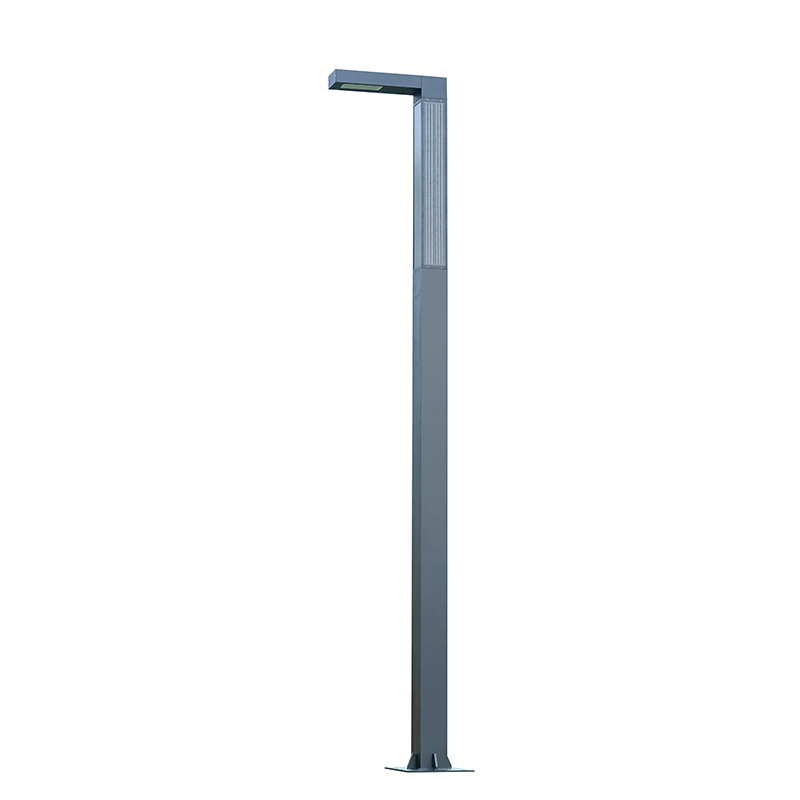
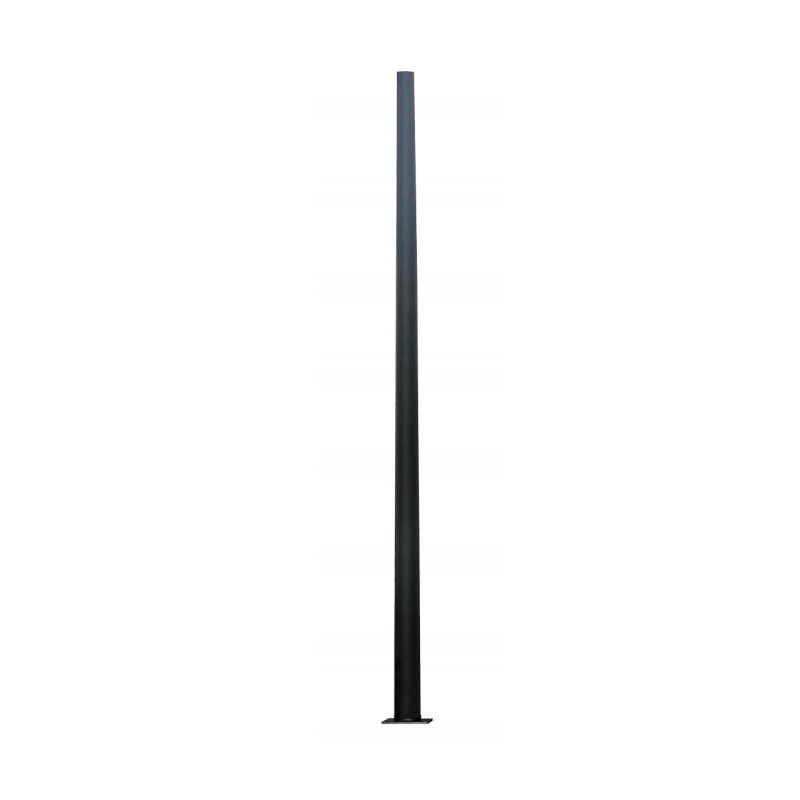
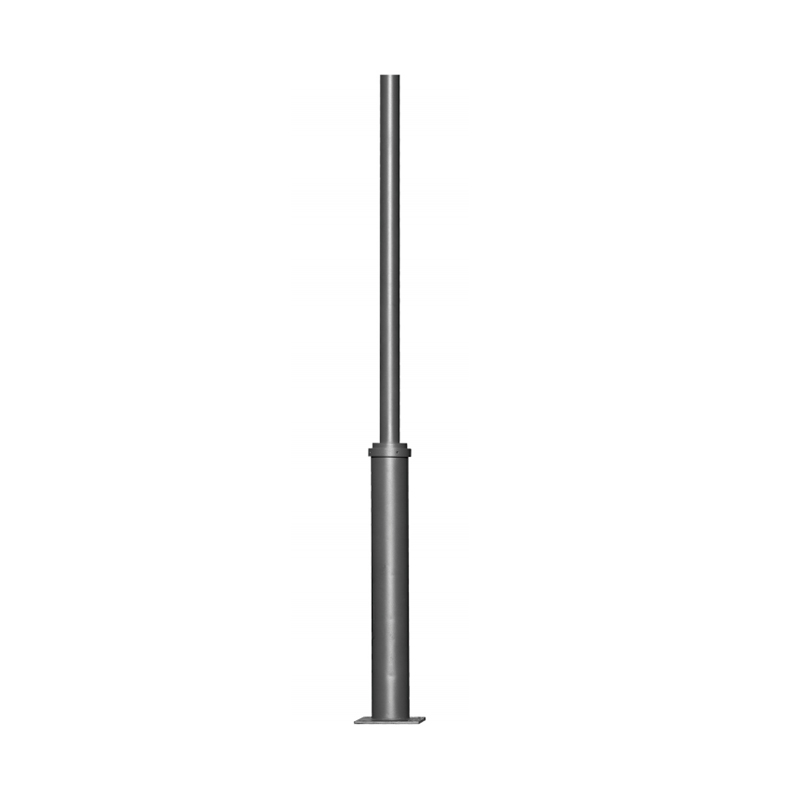
The light pole series serves as the supporting structure for various outdoor fixtures (street lights, courtyard lights, high mast lights, etc.), widely applied in outdoor lighting scenarios such as urban roads, park scenic areas, industrial parks, and residential quarters.
1. The products are made of high-quality steel (Q235) or aluminum alloy (6063-T5) and undergo multiple processes including pickling, phosphating, and hot-dip galvanizing. The core performance features include corrosion resistance, anti-aging, and strong load-bearing capacity, effectively supporting lighting products of various weights.
2. A core highlight is the comprehensive range of specifications, covering various shapes such as conical and cylindrical poles, with customizable heights (2m–12m) to adapt to different fixture types and installation scenarios;
3. The structural design is scientifically engineered with a wind resistance rating of up to 36m/s, ensuring safety and stability for outdoor use;
4. The surface treatment is refined, and colors can be customized according to requirements (RAL standard color chart) to achieve harmony and unity with the surrounding environment;
5. Installation is convenient, equipped with complete fixing accessories and wiring channels to facilitate fixture mounting and cable layout, thereby improving construction efficiency.


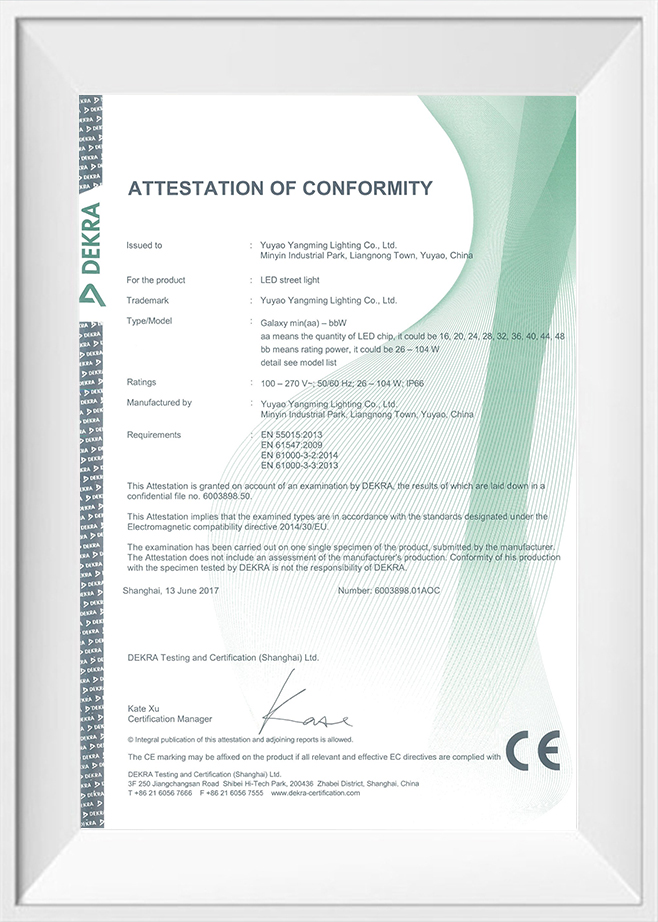
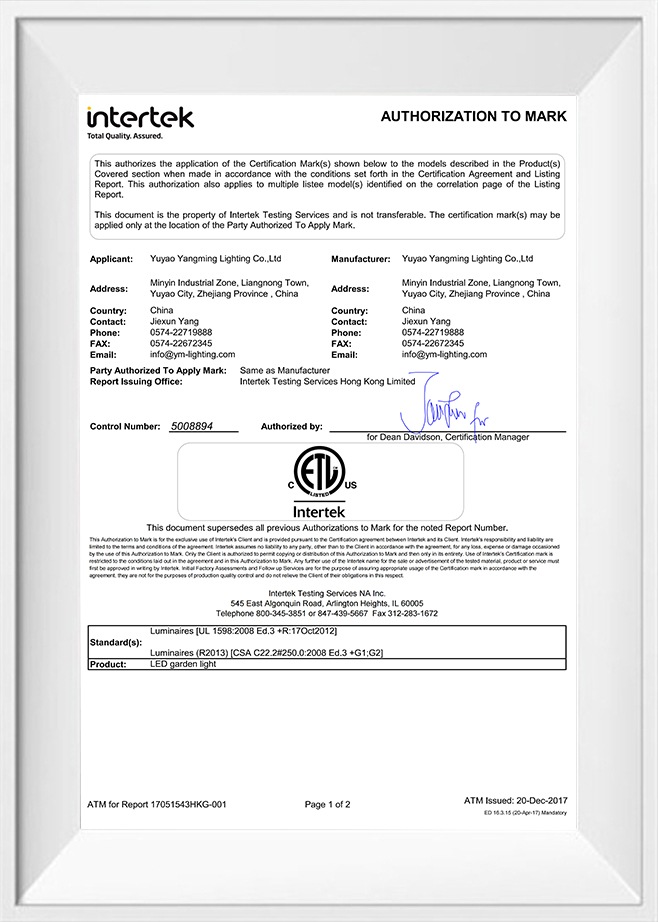
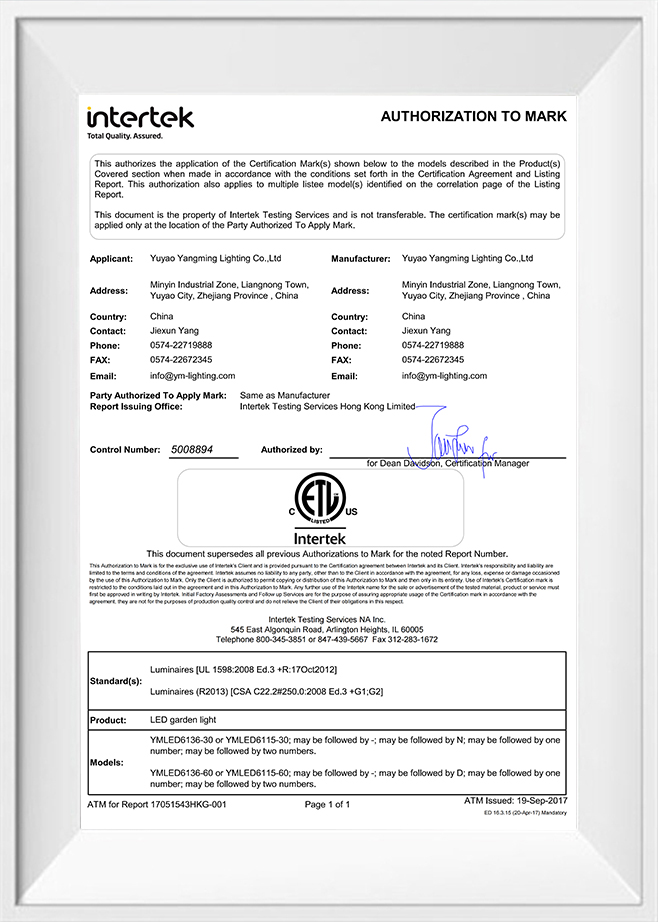
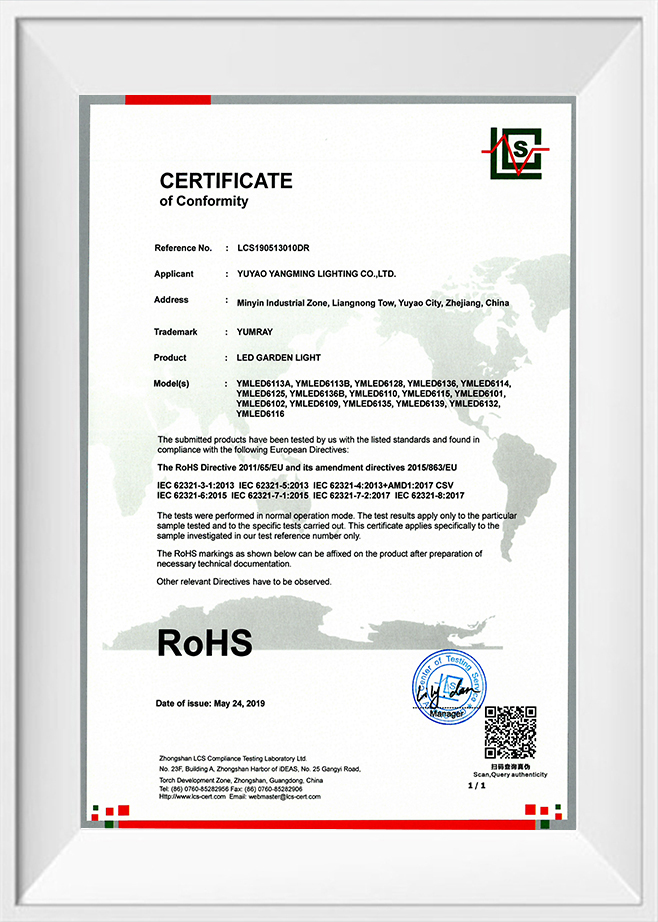

When a landscape architect or municipal engineer opens a lighting package and sees a note that says "dark sky compliant," the immediate question is usually practical: does this fixture actually meet ...
READ MOREMost commercial LED outdoor lighting failures have nothing to do with the LED chip. A row of bollards along a coastal hotel car park can look perfect on handover day and still end up with cloudy lens...
READ MOREA specifier sends the same request for 200 roadway luminaires to three suppliers and receives three different fixtures, all described as cobra heads. One clamps onto the existing 2-3/8 inch tenon. On...
READ MOREA 14 unit townhouse complex left its rear service alley unlit for years, and the same three doors were forced open twice in one winter. The manager expected a quote for one large floodlight. The site...
READ MOREA road inside an industrial park has no grid connection, yet the site needs 12 hours of reliable lighting every night. That is the real starting point when someone begins looking for solar street LED...
READ MOREA light pole is the structural support column that holds outdoor lighting fixtures at a defined height above ground, positioning the light source correctly to illuminate the target area below while safely housing the electrical wiring and connections required to power the fixture. Light poles are foundational infrastructure in every outdoor lighting system — without the pole, the luminaire cannot be positioned at the height or angle required to deliver the designed illumination pattern across the intended coverage area.
Light poles serve a wide range of outdoor applications: urban road and highway street lighting, park and scenic area amenity lighting, industrial park perimeter and working area lighting, residential quarter courtyard and pathway lighting, sports facility floodlighting, and commercial property entrance and car park illumination. The pole specification — its material, height, shape, base design, and surface treatment — directly determines the safety, longevity, aesthetics, and installation practicality of the complete outdoor lighting system it supports.
The two primary structural materials used in modern light pole manufacture are high-quality structural steel and aluminium alloy, each with distinct performance characteristics, appropriate applications, and processing requirements.
Q235 structural steel is the standard specification for light poles where high load-bearing capacity, structural rigidity under wind loading, and resistance to mechanical impact are the primary requirements. Steel poles are manufactured by rolling flat steel plate into the required profile — conical or cylindrical — and welding the longitudinal seam, then processing the welded pole through the full corrosion-protection treatment sequence: pickling to remove mill scale and surface oxides, phosphating to create a chemical conversion coating that improves paint adhesion, and hot-dip galvanising to apply a zinc layer of minimum 85 μm thickness that provides the primary long-term corrosion protection. A powder-coat or paint topcoat is applied over the galvanised surface for colour and additional UV protection.
Steel poles are the standard choice for high-mast lighting poles, road lighting poles carrying heavy multi-arm luminaire configurations, and industrial site poles subject to mechanical loading from vehicle proximity and equipment operation.
Aluminium alloy 6063-T5 is widely used for park, courtyard, residential, and decorative light poles where the pole's visual quality and the weight-to-strength ratio are important alongside structural performance. Aluminium forms a naturally stable oxide layer that provides inherent corrosion resistance without hot-dip galvanising, and its density of approximately 2.7 g/cm³ — roughly one-third that of steel — makes aluminium poles significantly lighter for the same structural section dimensions, simplifying transport, handling, and installation. Aluminium alloy 6063-T5 is an extruded alloy with a minimum tensile strength of 185 MPa and a good combination of strength, surface finish quality, and weldability suited to the complex profiles of decorative light poles.
Quality light poles undergo a carefully sequenced surface treatment process to ensure long-term corrosion resistance in outdoor environments:
Conical poles taper from a wider base diameter to a narrower tip, distributing the bending moment from wind and luminaire loads more efficiently along the pole height. This taper profile means the pole section is largest where bending stresses are greatest — at the base — and smallest where stresses are lowest — at the tip. Conical poles achieve better structural efficiency than uniform-diameter cylindrical poles at equivalent heights and wind load ratings, allowing lighter wall thicknesses and reduced material use for the same structural performance. They are the most common profile for road lighting and general-purpose outdoor light poles.
Cylindrical poles maintain a uniform diameter from base to tip. The consistent profile gives them a clean, geometric visual character that suits contemporary architectural and landscape settings where the pole is a visible design element as well as a functional structure. Cylindrical poles are widely used for courtyard and amenity lighting in parks, residential developments, and commercial settings where aesthetic coherence with surrounding architecture is a specification requirement.
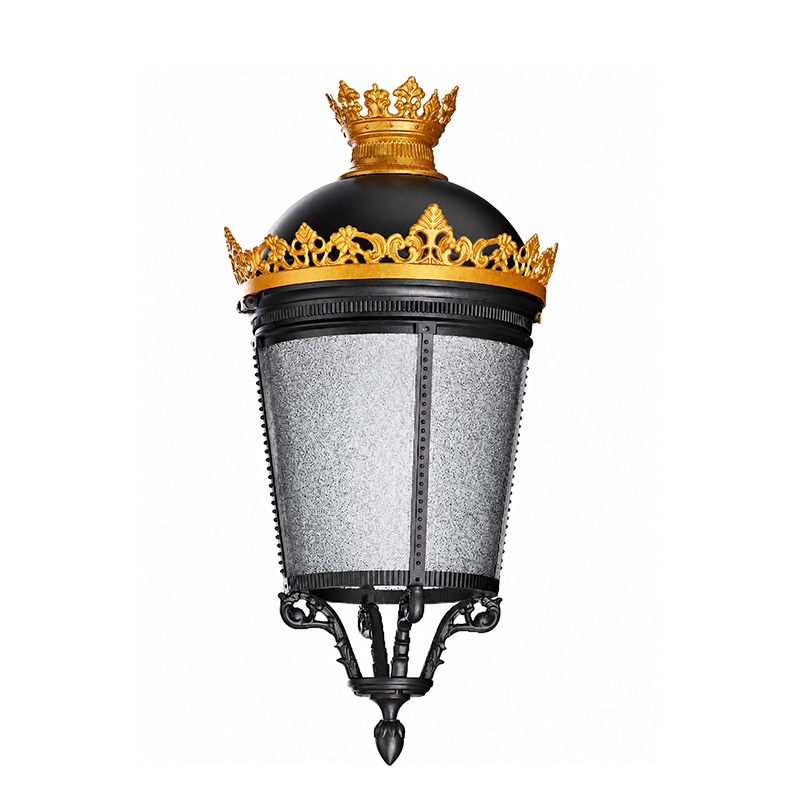
Decorative light poles — incorporating fluted profiles, cast aluminium decorative collars, scroll arms, lantern-style fixtures, and heritage-inspired forms — are specified for pedestrian areas, civic spaces, park promenades, and premium residential developments where the pole design contributes positively to the streetscape and landscape character. These poles are typically manufactured from aluminium alloy for lighter weight and the superior surface finish quality achievable with extruded aluminium sections.
High-mast poles — typically 20 m to 40 m in height — carry multiple high-power floodlight or floodlighting ring assemblies at the top, providing wide-area illumination coverage from a small number of pole positions. They are used for large outdoor areas including motorway interchanges, airport aprons, port facilities, stadium approaches, and large industrial sites where conventional street-level poles would require impractical spacing or obstruct operational areas. High-mast poles are typically designed with a lowerable lighting ring mechanism that allows lamp replacement at ground level without specialised climbing access equipment.
Road and highway light poles are typically fitted with one or more outreach arms that project the luminaire horizontally over the carriageway to position the light source directly above the road surface rather than at the verge. Single-arm poles serve single-carriageway roads with one luminaire per pole; double-arm poles serve dual carriageways with one luminaire covering each direction; and multi-arm configurations serve wide intersections or multi-lane motorway sections from a single pole position. Arm length typically ranges from 1 m to 3 m depending on carriageway width and the specified overhang of the luminaire over the road.
| Height Range | Typical Application | Common Luminaire Type | Key Specification Note |
|---|---|---|---|
| 2–4 m | Garden, courtyard, pathway, residential entrance | Bollard light, decorative lantern, courtyard light | Decorative form important; aluminium alloy preferred |
| 4–6 m | Park promenade, pedestrian plaza, commercial forecourt | Park light, amenity lantern, decorative fixture | Appearance and wind resistance both important |
| 6–9 m | Urban road, residential street, industrial access road | LED street light with single or double arm | Wind rating critical; Q235 steel standard specification |
| 9–12 m | Arterial road, highway, large car park, industrial site | High-power LED street light, multi-arm configuration | Heavy-wall steel; engineered foundation required |
| 15–20 m | Port, logistics hub, large industrial yard, sports facility | Floodlight cluster, LED high-bay | Structural engineering sign-off required; lowering mechanism recommended |
| 20–40 m | Motorway interchange, airport, stadium, large open area | High-mast floodlight ring assembly | Full structural engineering design; lowerable ring standard |
Wind loading is the primary structural design load for outdoor light poles. A pole must safely resist the bending moment applied at its base by wind pressure acting on the combined projected area of the pole shaft and the luminaire(s) it carries, across the full range of wind speeds encountered at the installation site. Quality light poles are designed and tested to a wind resistance rating of up to 36 m/s (approximately 130 km/h — equivalent to a severe gale or Category 1 hurricane-force wind) as standard, with higher ratings available for exposed coastal and elevated sites.
The structural adequacy of a light pole against wind loading is primarily determined by its section modulus at the critical cross-section — typically at the base or at the hand-hole opening where the section is reduced. Wall thickness requirements increase with pole height and luminaire weight: a standard 6 m road light pole typically requires a minimum wall thickness of 3.5–4.0 mm in Q235 steel, while a 10 m pole requires 4.0–5.0 mm minimum to maintain the required section modulus against the increased bending moment from the longer lever arm.
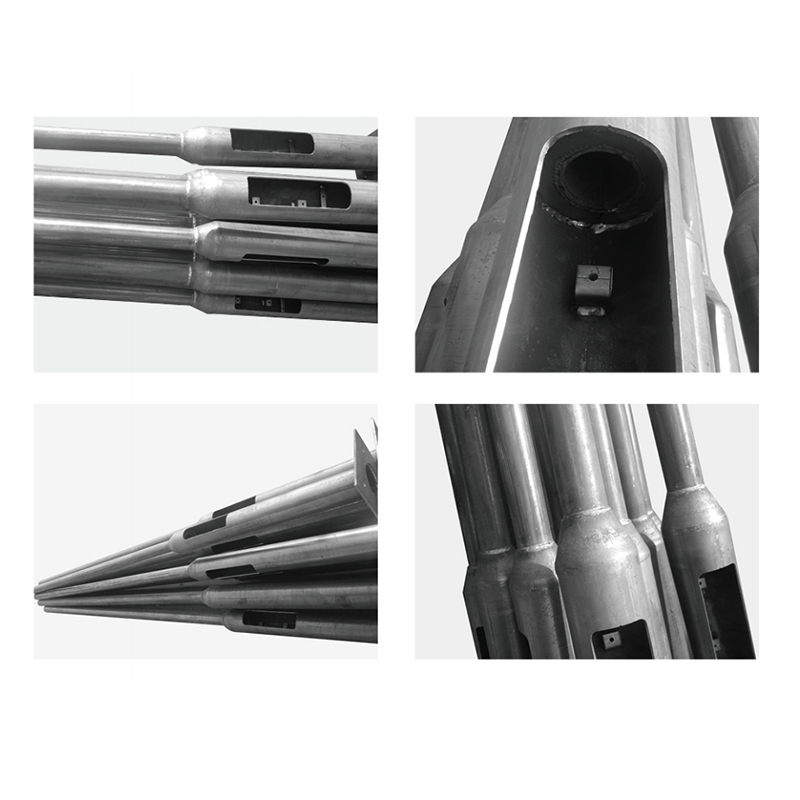
All standard light poles incorporate a hand-hole opening near the base — typically 80 mm × 120 mm to 100 mm × 150 mm — that provides access to the interior cable termination and electrical connection point. The hand-hole is fitted with a matching steel cover plate secured by stainless steel bolts that maintain the closed-section structural integrity of the pole shaft when fastened. The hand-hole must be positioned facing the road or pavement edge during installation to allow electrical access without obstruction from the pole foundation or adjacent structures.
Quality light poles incorporate a dedicated internal cable management channel — a conduit or smooth internal bore — running from the hand-hole at the base to the luminaire connection point at the top. This channel routes the supply cable through the pole interior without contact with the sharp edges of weld seams or structural features inside the pole shaft, protecting cable insulation integrity throughout the pole's service life. Integrated cable channels improve installation efficiency and reduce the risk of cable damage during installation and subsequent maintenance access.
The most common base design for road and amenity light poles is the flange base — a steel base plate welded to the pole shaft, with four or more bolt holes that align with pre-set anchor bolts cast into a reinforced concrete foundation. The anchor bolt cage is set and cast into the foundation before the pole arrives on site; the pole is then lowered over the protruding anchor bolts, levelled, and secured with locking nuts and washers. Anchor bolt foundations for standard road light poles are typically 600 mm × 600 mm × 800 mm deep in good-bearing ground, with larger dimensions required on weak or waterlogged ground or for taller, heavier poles.
Some light pole designs — particularly smaller park and garden poles and rural track lighting — use a direct burial installation where the lower section of the pole shaft is buried directly in the ground or in a concrete backfill without a separate foundation. Direct burial poles require the buried section to be of sufficient length — typically 10% of total pole height plus 600 mm minimum burial depth — and must have enhanced corrosion protection at the ground contact zone where soil moisture and aeration conditions are most aggressive. A sacrificial anode or petrolatum tape wrap at the buried section provides additional corrosion protection at this critical zone.
For applications where a ground foundation is not practical — bridge parapets, building façades, retaining walls, and elevated decking structures — wall-mount bracket adaptors allow light poles or luminaire arms to be bolted directly to an existing structural surface. Wall-mount configurations reduce foundation work and allow light positioning in locations inaccessible to ground-installed poles, but require the host structure to be assessed for the applied loads from the pole, luminaire, and wind loading before the mounting detail is finalised.
Light poles are visible vertical elements in the streetscape and landscape around the clock, regardless of whether the luminaire is lit. The pole colour and surface finish quality are therefore significant contributors to the visual quality of the public realm or commercial setting in which the poles are installed. Quality light pole manufacturers offer colour customisation to the full RAL standard colour chart — approximately 210 standard colours — allowing poles to be specified in exact coordination with the surrounding architectural materials, street furniture palette, and landscape design intent.
Common pole colour specifications include:
Corrosion is the primary degradation mechanism for outdoor steel light poles. The multi-stage surface treatment system — pickling, phosphating, hot-dip galvanising, and powder coating — creates a layered corrosion protection system in which each layer independently provides some corrosion resistance, and the layers work together to provide defence in depth:
Foundation construction begins with excavation to the required depth — typically 800–1,200 mm for poles up to 10 m height in good ground — followed by placement of the anchor bolt cage assembly at the correct position, height, and orientation within the excavation. The cage must be temporarily braced in position to maintain the bolt circle diameter and projection height while the concrete is poured and cured. Anchor bolts must project above the finished surface by the dimension specified on the pole base plate drawing — insufficient projection prevents the locking nuts from engaging the required number of thread turns; excessive projection raises the base plate above the intended finished level. Allow a minimum of 48 hours concrete curing before loading the foundation with the pole.
Poles up to approximately 6 m and 80 kg can typically be erected manually by a two-person installation team with appropriate handling equipment. Poles above this weight or height require mechanical lifting using a crane or lorry-mounted HIAB. The pole is lowered over the anchor bolts, the base plate levelled using a spirit level on two perpendicular axes, and shim plates or levelling nuts used to achieve precise vertical alignment. Plumb tolerance for road light poles is typically 1 mm per metre of pole height — a 6 m pole must be within 6 mm of true vertical at the top when measured in any direction. Once levelled, the locking nuts are torqued to the manufacturer's specification and any gap between the base plate and the finished surface is grouted.
The supply cable is routed from the underground duct through the foundation, up through the pole's internal cable channel to the luminaire connection point at the top. Cable entry through the base plate must be sealed with an appropriate cable gland or mastic seal to prevent water ingress into the pole interior through the cable entry point. All electrical connections inside the pole must be made inside a weatherproof junction box accessible through the hand-hole — loose connections exposed in the pole interior without a proper junction box are a safety and maintenance risk that is not acceptable in a compliant installation.
Quality light pole products are supplied with a complete fixing accessory set that ensures the installation can be completed without sourcing individual components separately:
| Criterion | Q235 Steel Pole | 6063-T5 Aluminium Pole |
|---|---|---|
| Structural strength | High (235 MPa yield strength) | Good (185 MPa tensile strength) |
| Weight | Heavy (7.85 g/cm³) | Light (2.70 g/cm³ — approx. 1/3 of steel) |
| Inherent corrosion resistance | Low (requires full treatment system) | High (natural oxide layer) |
| Coastal / marine suitability | Moderate (zinc layer depletes faster) | Excellent |
| Surface finish quality | Good | Excellent (extruded profile precision) |
| Load-bearing capacity | Higher (suitable for heavy multi-arm configurations) | Moderate (suited to single luminaire / light fixtures) |
| Installation handling | Requires lifting equipment above 6 m | Lighter — manual handling feasible to greater heights |
| Typical applications | Road lighting, highway, industrial, high-mast | Park, courtyard, coastal, decorative, residential |
| Recyclability | Good | Excellent (aluminium recycled at high efficiency) |
For residential streets and courtyard areas, pole heights of 4 m to 6 m are typical. At 4–5 m, the light source is positioned to provide comfortable amenity illumination for pedestrian movement without the harsh overhead glare that higher pole positions can create in intimate residential settings. At 6 m, the pole provides better road surface coverage and is suitable for lightly trafficked residential access roads. The correct height for a specific application depends on the required illumination level and uniformity, the luminaire's beam distribution, and the pole spacing — a lighting design calculation confirming illuminance compliance is recommended for any public or commercial installation.
Standard quality light poles are designed and tested to resist a wind speed of up to 36 m/s (approximately 130 km/h) as the design wind load — equivalent to a severe gale or the lower end of hurricane-force conditions. This rating is applied to the combined wind loading on the pole shaft and luminaire(s) mounted on it, based on the projected areas and drag coefficients of each element. For sites in known high-wind zones — coastal clifftops, exposed hilltops, and typhoon-risk areas — a higher design wind speed should be specified and confirmed with the pole manufacturer's structural calculation before installation.
Concrete anchor bolt foundations are the standard and recommended installation method for all road, amenity, and commercial light poles, as they provide the structural base required to resist the overturning moment from wind loading safely across the pole's service life. Direct burial in compacted soil without concrete is generally acceptable only for temporary or very small garden poles (under 3 m height) on sheltered sites with light luminaire loads. For any permanent installation of poles 4 m and above, a reinforced concrete foundation of dimensions appropriate to the pole specification and ground bearing capacity is required for structural safety and long-term installation integrity.
A hot-dip galvanised steel light pole with a powder-coat topcoat has a realistic structural service life of 25 to 40 years in a moderate outdoor environment, depending on the local atmospheric pollution level, proximity to coastal salt air, and whether any surface damage to the coating is repaired promptly when it occurs. The zinc coating provides cathodic protection even after the powder coat is locally damaged, but unrepaired areas of stripped paint allow accelerated zinc consumption that shortens the overall service life. In aggressive industrial or marine environments, service life without recoating may be reduced to 15–20 years. The powder coat topcoat typically requires inspection and potential recoating after 10–15 years before the structural zinc layer begins to be affected by UV and weathering.
Yes — quality light pole manufacturers offer colour customisation to the full RAL standard colour chart as a standard option, allowing poles to be specified in exact coordination with streetscape furniture, architectural materials, and landscape palettes. Custom colours outside the standard RAL range can be produced using special order powder coat formulations for large project quantities. Specify the RAL colour number precisely when ordering, rather than describing the colour in general terms — powder coat colours vary significantly between manufacturers, and only a precise RAL reference guarantees consistent colour matching across poles supplied from different production batches or at different times on a phased project.
Bolt circle diameter varies with pole size and manufacturer design, but common standard dimensions for road and amenity light poles include: 150 mm bolt circle for poles up to 5 m; 200 mm for 5–8 m poles; 250–300 mm for 8–12 m poles. Always confirm the exact bolt circle diameter, anchor bolt diameter (typically M20–M30), and projection height from the manufacturer's installation drawing before constructing the foundation. Anchor bolt cages cast to incorrect dimensions require expensive foundation remediation or replacement — confirming dimensions before pouring concrete is one of the most important practical steps in a light pole installation project.
 Private Industrial Park, Liangnong Town, Yuyao City, Ningbo City, Zhejiang Province, China
 +86-13486062091
 +86-574-2222 2345
 +86-574-2267 2345
 info@ym-lighting.com
