
 English
 中文简体
中文简体
When a landscape architect or municipal engineer opens a lighting package and sees a note that says "dark sky compliant," the immediate question is usually practical: does this fixture actually meet ...
READ MORE
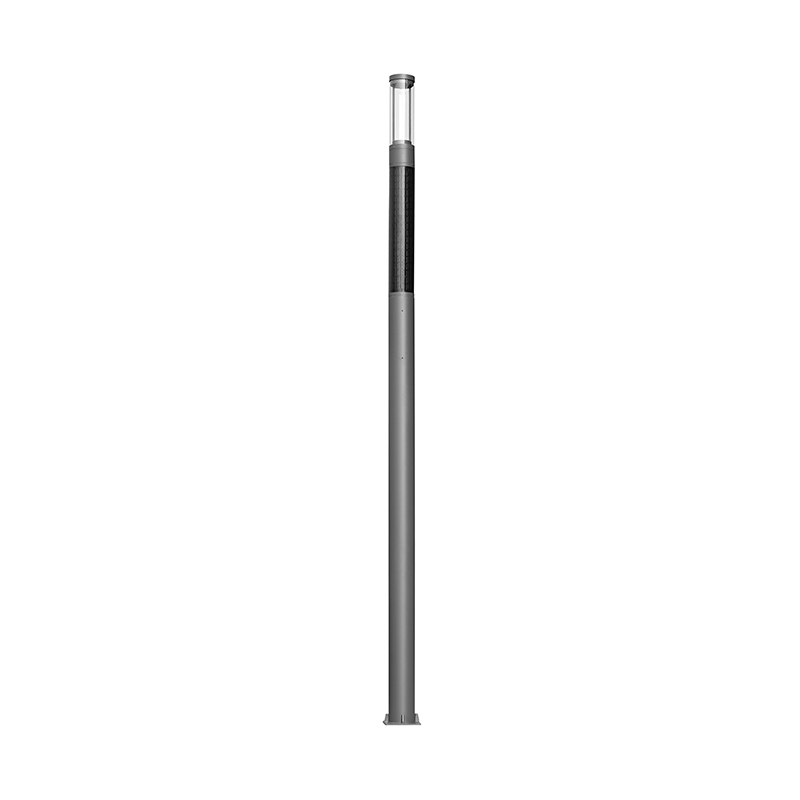
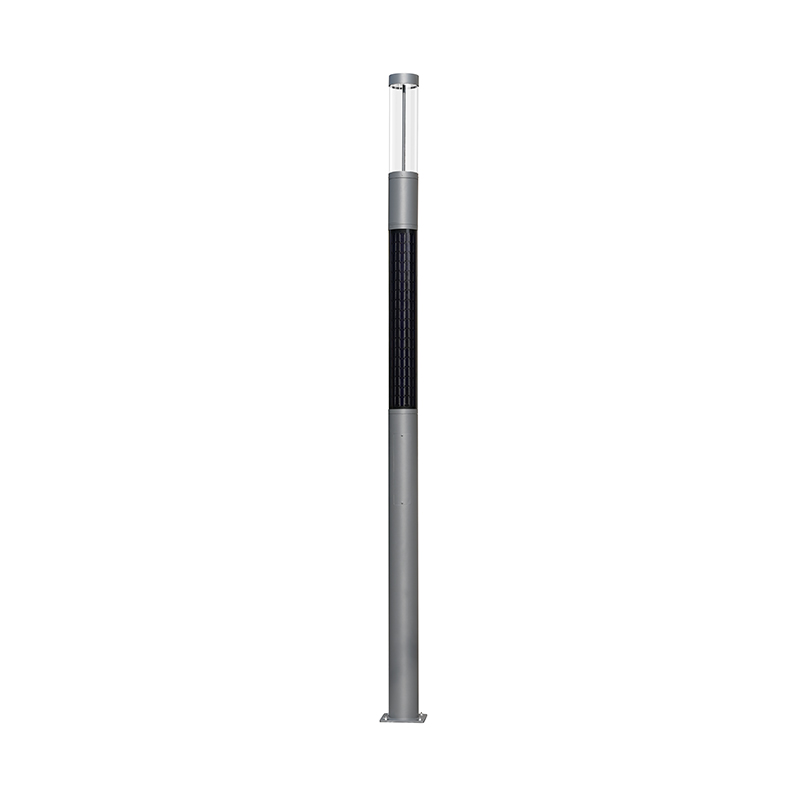
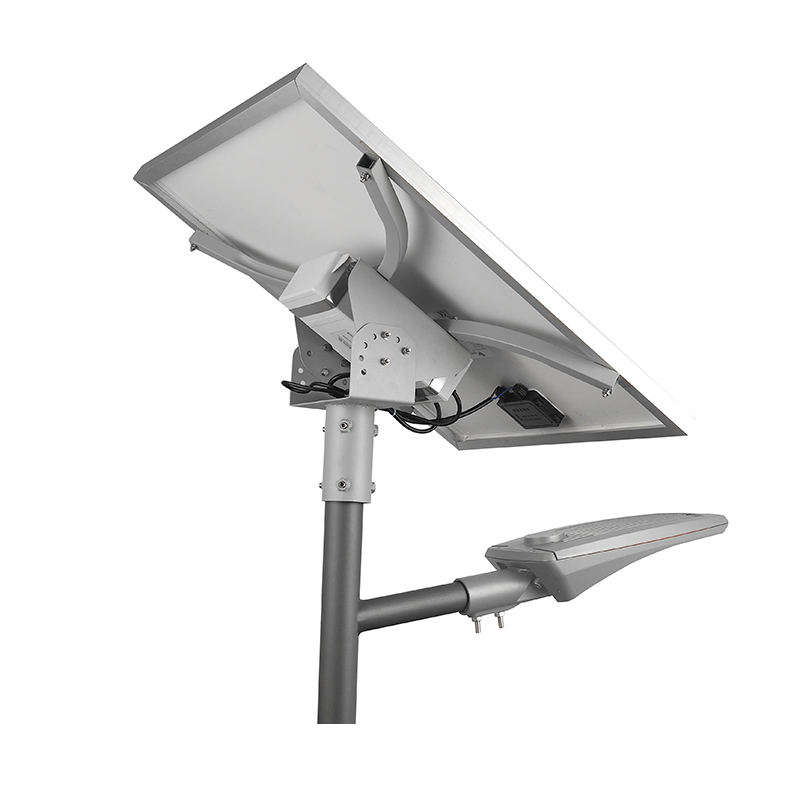
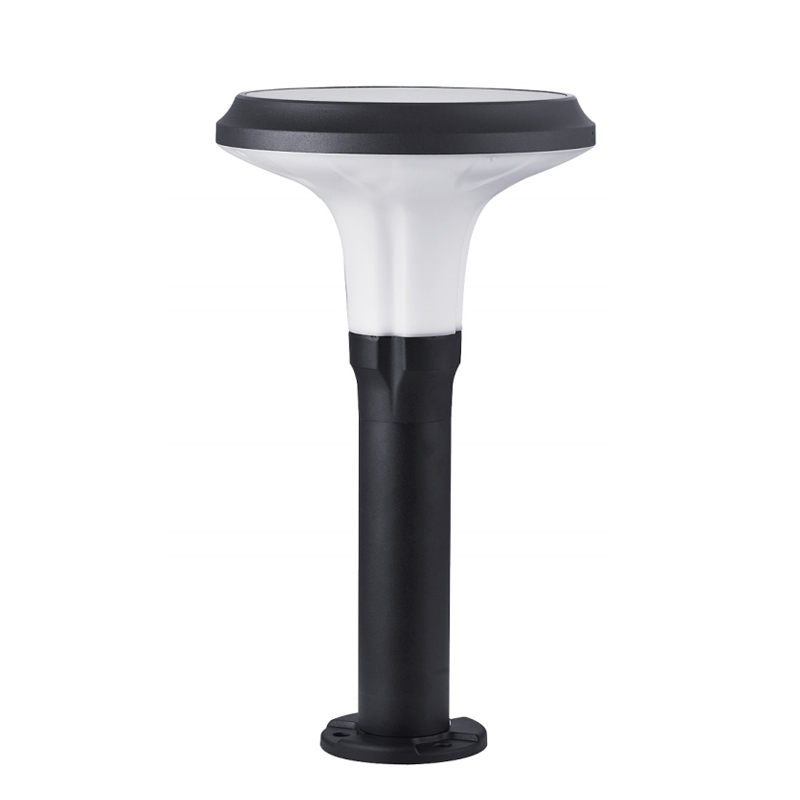
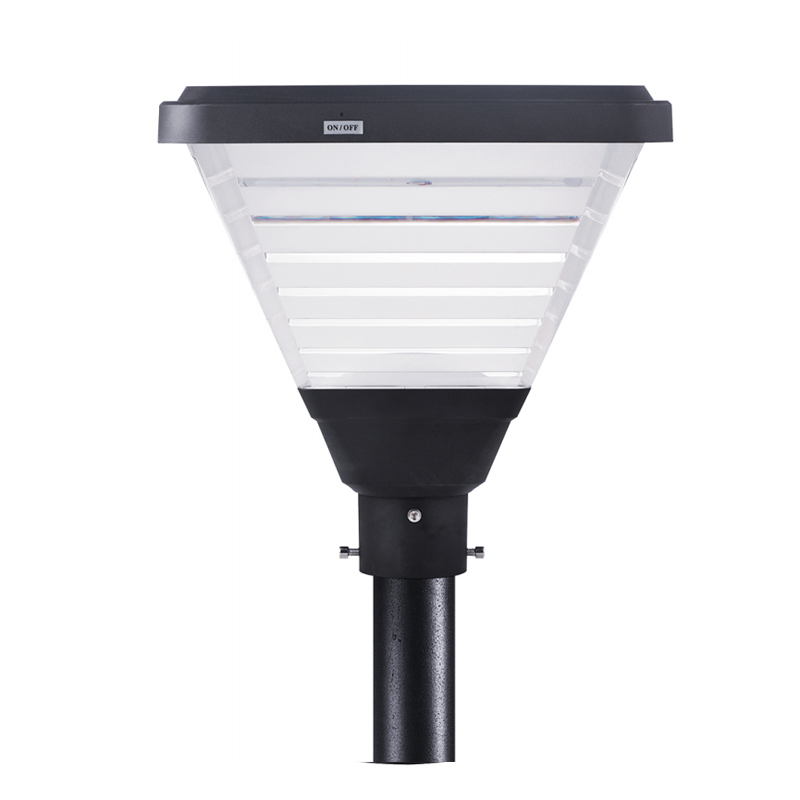
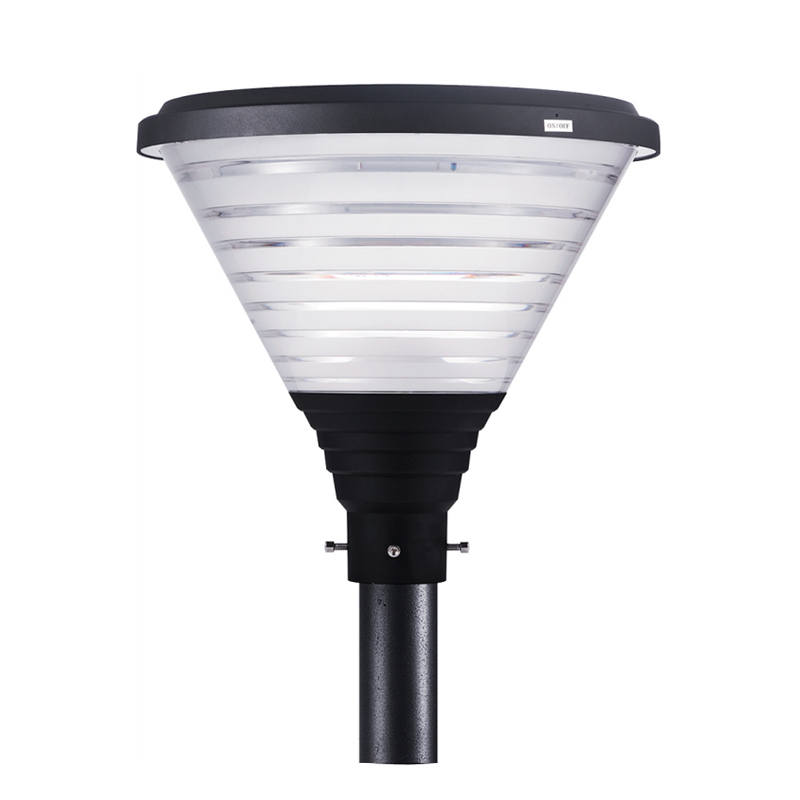
The solar lighting series consists of green, energy-saving lighting products powered by solar energy, widely applicable to areas without grid coverage (such as rural roads, remote scenic spots, and villa courtyards) or scenarios pursuing low-carbon environmental protection, covering various categories including solar street lights, solar courtyard lights, and solar lawn lights.
1. The core performance lies in "photovoltaic conversion + energy storage power supply," featuring high-efficiency solar panels (conversion efficiency ≥ 23%) and large-capacity lithium iron phosphate (LiFePO4) batteries. These can fully absorb and store solar energy, enabling independent operation off the grid. The core highlights include zero electricity bills, environmental friendliness, and zero carbon emissions, aligning with low-carbon development concepts; installation is convenient with no need for complex wiring, reducing construction costs;
2. Equipped with an MPPT charging boost constant current controller, featuring tracking efficiency ≥ 99.9%, system power generation efficiency up to 98%, charging conversion efficiency up to 98.2%, and constant current LED driver efficiency up to 97.7%; it simultaneously prevents overcharge and over-discharge from damaging the battery;
3. The protection rating reaches IP66, adapting to various outdoor weather conditions; with a service life of up to 25 years, post-maintenance costs are extremely low.







When a landscape architect or municipal engineer opens a lighting package and sees a note that says "dark sky compliant," the immediate question is usually practical: does this fixture actually meet ...
READ MOREMost commercial LED outdoor lighting failures have nothing to do with the LED chip. A row of bollards along a coastal hotel car park can look perfect on handover day and still end up with cloudy lens...
READ MOREA specifier sends the same request for 200 roadway luminaires to three suppliers and receives three different fixtures, all described as cobra heads. One clamps onto the existing 2-3/8 inch tenon. On...
READ MOREA 14 unit townhouse complex left its rear service alley unlit for years, and the same three doors were forced open twice in one winter. The manager expected a quote for one large floodlight. The site...
READ MOREA road inside an industrial park has no grid connection, yet the site needs 12 hours of reliable lighting every night. That is the real starting point when someone begins looking for solar street LED...
READ MORESolar lighting refers to a category of self-contained, grid-independent outdoor luminaires that generate, store, and consume their own electrical energy through a photovoltaic conversion and battery storage system. Each unit operates as a complete, autonomous power plant — capturing solar irradiance during daylight hours, storing the generated energy in an onboard battery, and discharging it through an LED light source during nighttime hours without any connection to the mains electricity grid.
Solar lighting is the optimal solution for two distinct deployment scenarios. The first is locations without accessible grid coverage — rural roads, remote scenic areas, off-grid village streets, mountainous pathways, and villa courtyards where the cost of grid extension would be prohibitive. The second is locations where grid connection is technically possible but where the operator is committed to zero-carbon, low-cost outdoor lighting aligned with environmental sustainability goals. In both cases, solar lighting eliminates ongoing electricity bills, avoids the civil works cost of cable trenching, and delivers a service life of up to 25 years with minimal maintenance intervention.
A solar lighting system operates through four sequential energy conversion stages, each engineered to maximize the efficiency with which sunlight is transformed into useful nighttime illumination. Understanding each stage clarifies why component quality — particularly at the panel, controller, and battery level — determines system reliability and lifespan.
The monocrystalline silicon solar panel captures photons from sunlight and converts them directly into DC electrical current through the photovoltaic effect. Monocrystalline panels used in quality solar lighting systems achieve panel-level conversion efficiencies of ≥ 23% — significantly higher than the 15–18% typical of older polycrystalline designs. This efficiency advantage directly increases the electrical energy generated per unit of panel area, enabling the use of more compact panels while still delivering sufficient daily energy for reliable all-night operation. Panel wattage is sized to fully recharge the battery on the shortest day of the year at the installation's geographic latitude, with a safety margin for cloudy conditions.
The DC output of a solar panel varies continuously with sunlight intensity, angle of incidence, temperature, and shading conditions. A Maximum Power Point Tracking (MPPT) charge controller continuously adjusts the electrical load presented to the panel to maintain operation at the Maximum Power Point — the voltage and current combination that extracts the greatest possible power from the panel at any given moment. Quality MPPT controllers achieve tracking efficiency ≥ 99.9% and system power generation efficiency up to 98%, with charging conversion efficiency up to 98.2% — recovering substantially more energy from the panel than older PWM controllers, particularly under the partially cloudy conditions that represent a significant portion of real-world operating days. The MPPT controller simultaneously manages battery charging with a multi-stage charge profile that maximizes battery charge acceptance while preventing overcharge and over-discharge damage.
The Lithium Iron Phosphate (LiFePO4) battery stores daytime solar generation for nighttime use. LiFePO4 chemistry is the current standard for solar lighting applications due to its combination of high energy density, exceptional cycle life, and superior safety compared to older lead-acid and lithium cobalt oxide alternatives. Key performance parameters include a cycle life of 2,000–3,000 full charge-discharge cycles at 80% depth of discharge before capacity falls to 80% of rated value, and stable operation across -20°C to +60°C ambient temperature — maintaining usable capacity in both cold northern winters and hot tropical summers where lead-acid batteries fail rapidly.
Stored battery energy is delivered to the LED array through a constant-current LED driver with an efficiency of up to 97.7%. The driver regulates current to the LEDs independently of battery voltage, ensuring consistent light output throughout the night even as the battery state of charge declines. Integrated dimming control — triggered by PIR motion sensors, time-of-night schedules, or battery state — reduces LED output during low-traffic periods to extend battery autonomy while ensuring full illumination is available when needed.
| System Stage | Component | Performance Specification |
|---|---|---|
| Photovoltaic conversion | Monocrystalline solar panel | Conversion efficiency ≥ 23% |
| Charge control | MPPT controller | Tracking ≥ 99.9%; system 98%; charging 98.2% |
| Energy storage | LiFePO4 battery | 2,000–3,000 cycles; -20°C to +60°C |
| LED drive | Constant-current driver | Driver efficiency up to 97.7% |
Solar lighting's advantages over conventional grid-connected outdoor lighting are compelling across financial, operational, environmental, and installation dimensions — and become more pronounced as electricity tariffs rise and installation sites become more remote.
A solar street light consuming zero grid electricity across a 25-year service life eliminates the entire ongoing energy cost that a grid-connected equivalent would accumulate. For a single 30 W grid-connected street light operating 4,000 hours per year at $0.15/kWh, the 25-year energy cost is approximately $450 per luminaire. For a rural road project with 100 luminaires, this represents $45,000 in avoided electricity costs — a figure that frequently exceeds the entire capital cost of the solar lighting installation.
Grid-connected outdoor lighting requires armoured cable buried from the nearest distribution point to every luminaire position — involving road cutting, excavation, cable laying, backfilling, and surface reinstatement. In rural locations, grid connection costs of $15–$50 per meter of trench run are typical. Solar lighting requires none of this infrastructure — each unit is a complete, independent system installable by two technicians in under one hour per pole.
Solar lighting produces zero direct CO₂ emissions during operation. In jurisdictions where grid electricity is primarily fossil-fuel generated, a single solar street light replacing a 150 W HPS equivalent avoids approximately 135–180 kg of CO₂ per year, or 3,375–4,500 kg across a 25-year service life — a meaningful contribution to municipal carbon reduction commitments.
Grid-connected street lighting fails during power outages — a simultaneous event affecting entire districts with direct safety consequences. Solar lighting systems continue operating independently during grid failures, making them particularly valuable for emergency access routes, hospital approach roads, and areas with unreliable grid infrastructure.
Solar lighting technology spans the full range of outdoor lighting product types, with system specifications scaled to the illuminance requirements and operating conditions of each application.
Solar street lights for rural roads and township highways integrate PV panel, battery, controller, and LED luminaire into a single all-in-one unit or a split design with a separate pole-crown panel. LED wattages of 20–120 W cover paths through to secondary roads, with PIR motion sensing enabling output reduction to 30–50% during low-traffic overnight hours to extend battery autonomy to 3–5 consecutive overcast days.
Solar courtyard lights serve villa gardens, residential estates, and community recreation areas with decorative luminaire designs — lantern-style housings and warm color temperatures of 2,700–3,000 K — at wattages of 3–15 W. Photocell dusk-to-dawn control with optional PIR dimming is standard. Battery autonomy of 2–4 overcast nights is typical for this product class.
Solar lawn lights are compact spike-mounted or short-bollard formats with small integrated PV panels, suited to decorative garden lawn illumination at 1–8 W. Their zero-wiring installation makes large-scale decorative schemes economically accessible for residential gardens, with autonomy of 2–3 overcast nights on a full charge.
| Category | LED Wattage | Lumen Output | Autonomy (overcast nights) | Typical Application |
|---|---|---|---|---|
| Solar street light | 20–120 W | 2,000–15,000 lm | 3–5 nights | Rural roads, township highways, park main roads |
| Solar courtyard light | 3–15 W | 200–1,000 lm | 2–4 nights | Villa gardens, residential estates, community areas |
| Solar lawn light | 1–8 W | 50–500 lm | 2–3 nights | Garden lawns, scenic green spaces, private paths |
A solar lighting system must survive 25 years of continuous outdoor exposure with minimal maintenance — a durability requirement that demands rigorous attention to housing protection, component quality, and thermal management at every level of the system.
Quality solar lighting units achieve an IP66 ingress protection rating — full dust exclusion and resistance to powerful water jets from any direction — applied to the complete assembly including LED module, driver, MPPT controller, and battery compartment. This rating ensures reliable operation through heavy monsoon rainfall, tropical storms, coastal fog, and the daily thermal cycling that drives condensation in poorly sealed enclosures. Silicone gaskets at all critical sealing points are rated for the full operating temperature range.
LiFePO4 batteries rated for 2,000–3,000 full cycles provide approximately 5.5–8 years of service before capacity falls to 80% of rated value. To achieve the 25-year system design life, one or two planned battery replacements are anticipated — a predictable maintenance event at a cost far lower than complete luminaire replacement. Oversizing battery capacity to 120–150% of the minimum calculated requirement reduces daily depth of discharge and substantially extends battery cycle life.
Monocrystalline solar panels in quality lighting systems are warranted for output degradation of no more than 0.5% per year — meaning after 25 years the panel still produces at least 87.5% of original rated output. Tempered anti-reflective solar glass and anodized aluminium frames provide corrosion and impact resistance consistent with the 25-year design service life.
Correct system sizing is the most technically demanding aspect of solar lighting procurement. The following three-step framework covers the essential calculations needed to specify a system that performs reliably throughout the year.
Daily energy (Wh) = LED wattage × operating hours. For a 30 W LED with PIR dimming at 50% for 6 of 10 nightly hours: (30 W × 4 h) + (15 W × 6 h) = 210 Wh. Adding a 18% system loss factor: 210 × 1.18 = 248 Wh required per day from the panel.
Panel wattage = daily energy ÷ peak sun hours on the worst month. At 3.5 peak sun hours for a mid-latitude site in winter: 248 ÷ 3.5 = 71 W minimum. Specify 80–100 W to allow for panel soiling, aging, and non-optimal tilt angles.
Battery capacity (Ah) = (daily energy × autonomy days) ÷ (voltage × max depth of discharge). For 3 nights at 12.8 V with 80% DoD: (248 × 3) ÷ (12.8 × 0.80) = 72.7 Ah. Specify 80 Ah as the nearest standard size. Five-night autonomy is recommended for high-latitude or frequently overcast locations.
The true economic comparison between solar and grid-connected lighting must account for the full 25-year total cost of ownership — capital, installation, energy, and maintenance — not just luminaire purchase price.
| Cost Component | Solar Street Light | Grid-Connected LED |
|---|---|---|
| Luminaire purchase | $350–$800 | $150–$400 |
| Grid connection civil works | $0 | $500–$3,000+ |
| 25-year electricity cost | $0 | $300–$600 |
| Battery replacement (×1–2) | $80–$200 | $0 |
| Indicative 25-yr total (remote site) | $430–$1,000 | $950–$4,000+ |
The economic advantage of solar is most pronounced in remote locations where grid civil works costs are high. Once the distance from grid connection exceeds 50–100 m, solar lighting is consistently more cost-effective over the full 25-year ownership period regardless of the higher luminaire purchase price.
Yes, with correctly sized systems. Solar panels continue generating electricity on overcast days — typically at 15–30% of clear-sky output depending on cloud density. Battery autonomy sizing of 3–5 overcast nights covers most multi-day cloudy periods in temperate climates. For locations with extended monsoon seasons or persistent winter overcast (fewer than 2.5 peak sun hours per day on average), longer autonomy periods and larger panel arrays must be specified, or a hybrid grid-backup configuration should be considered.
LiFePO4 batteries are rated for 2,000–3,000 charge-discharge cycles, equating to approximately 5.5–8 years of daily cycling. Replacement is straightforward — the battery module is accessed through a sealed compartment in the luminaire base or pole body, disconnected via a keyed connector, and replaced in 30–60 minutes with no specialist tools required. Quality manufacturers supply replacement batteries as standard spare parts throughout the product's supported service life.
Routine maintenance is minimal. The primary task is panel surface cleaning — removing dust, bird droppings, and seasonal pollen that reduce charging efficiency. Quarterly cleaning with a soft cloth and water restores full panel output in typical environments; monthly cleaning is recommended in dusty or high-pollution locations. LED arrays, MPPT controllers, and housings require no scheduled servicing. An annual visual inspection of seals, mounting hardware, and cable entry points is recommended to identify developing sealing issues before moisture infiltration occurs.
Shading is the most significant performance risk for solar lighting. Even partial shading of 10% of the panel area during peak generation hours can reduce total daily energy generation by 30–50% due to the series-connected cell structure of most panels. All installation positions should be surveyed at multiple times and seasons to confirm no shading falls on the panel between 09:00–15:00. Where shading is unavoidable, split designs with a remotely mounted panel positioned in a shadow-free location should be specified.
MPPT controllers extract 20–30% more energy from a solar panel than PWM controllers under real-world variable-light conditions. On a clear sunny day the difference is smaller; under partial cloud cover — which is the predominant condition for much of the year in most climates — MPPT's continuous tracking of the panel's maximum power point recovers energy that a PWM controller wastes by forcing the panel to operate at the battery voltage rather than its optimal power point. For solar lighting systems where the energy balance between panel generation and LED consumption must be maintained through cloudy periods, MPPT is the necessary specification rather than an optional upgrade.
 Private Industrial Park, Liangnong Town, Yuyao City, Ningbo City, Zhejiang Province, China
 +86-13486062091
 +86-574-2222 2345
 +86-574-2267 2345
 info@ym-lighting.com
