Mar, 18, 2026
Content
Wall lighting serves four primary purposes: functional illumination, safety enhancement, architectural decoration, and security signaling. Unlike ceiling fixtures that provide general overhead light, wall lights are positioned at eye level or below — making them uniquely effective at illuminating pathways, defining architectural features, creating layered lighting atmospheres, and marking hazardous transitions such as steps and entrances. In both indoor and outdoor applications, well-placed wall lighting significantly improves the usability, safety, and aesthetic quality of a space.
The most fundamental purpose of wall lighting is to provide usable light in areas where overhead fixtures cannot reach effectively, or where the quality of light at human height matters more than raw brightness from above.
In corridors, hallways, and stairwells, ceiling fixtures cast light downward in a cone that often leaves walls and vertical surfaces in shadow, reducing the perceived brightness of the space. Wall lights mounted at approximately 1.5 to 1.8 meters height illuminate both the walking surface below and the surrounding walls at the level where human faces and hands are visible — creating a more evenly lit, comfortable environment with less than half the total wattage of an equivalent ceiling-only installation.
On building facades, balconies, and entrance porches, wall lights serve as the primary light source for areas where ceiling mounting is impractical. A wall-mounted fixture at a front door provides the focused, directional illumination needed to locate keys, read door numbers, and greet visitors — tasks that require light at a specific height and angle that overhead lighting rarely achieves as effectively.
Wall lighting plays a critical safety role in marking transitions, hazards, and directional paths — particularly in outdoor and semi-outdoor environments where changes in level, surface, or direction create fall and collision risks in darkness.
Beyond utility, wall lighting is one of the most powerful tools in architectural and interior lighting design for creating atmosphere, highlighting surfaces, and reinforcing the aesthetic character of a space or building.
Wall-mounted uplights and downlights graze light across textured surfaces — brick, stone, timber cladding, carved facades — creating shadow and depth that reveals material texture dramatically. A flat concrete wall illuminated by a single overhead floodlight appears featureless; the same wall with two wall-mounted grazers placed at its base shows every surface variation in compelling three-dimensional relief.
Professional lighting designers use wall lights as the "ambient layer" in a three-layer lighting scheme alongside task lighting and accent lighting. Wall lights provide soft, diffuse background illumination that reduces harsh contrast between lit and unlit areas, creating a visually comfortable environment with warm color temperatures of 2700–3000K that feel inviting rather than clinical. This layered approach is standard in hospitality, residential, and high-end retail lighting design.
Wall light fixtures are visible design objects — not just functional devices. Their form contributes to the architectural character of a building or interior. Minimalist linear wall lights reinforce a contemporary aesthetic; vintage lantern-style fixtures complement heritage or classical architecture; industrial-style gooseneck wall lights suit commercial or loft environments. Selecting fixtures that align with the building's design language creates visual coherence between the architecture and its lighting.
Outdoor wall lighting serves a well-documented security function for residential and commercial properties. Illuminated building perimeters reduce the concealment opportunities that potential intruders rely on, and activate-on-detection wall lights provide an active deterrent.
A key advantage of modern wall lighting is that a single well-chosen fixture can serve several of the above purposes simultaneously. An IP65-rated outdoor wall light with a warm-white LED source installed beside a front door simultaneously provides:
This multifunctional value makes wall lighting one of the highest-return lighting investments for both residential and commercial properties — delivering functional, safety, aesthetic, and security benefits from a single installation point.
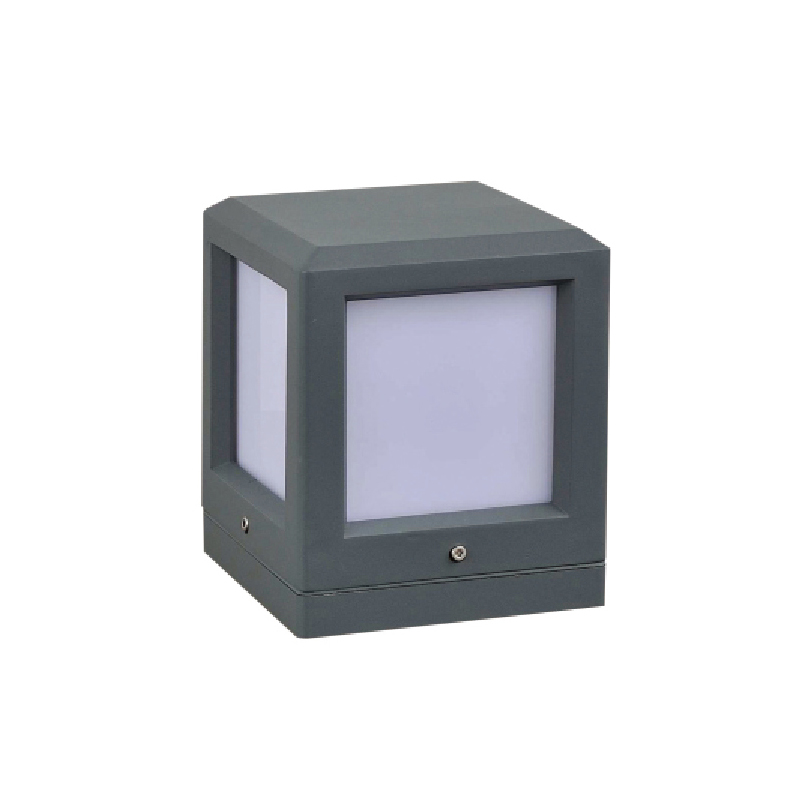
Wall lighting encompasses a wide range of fixture types, each designed for a specific application, light distribution pattern, and aesthetic context. The main types include wall-mounted surface lights, recessed wall lights, uplights and downlights, step and path lights, outdoor facade lights, and motion-sensor security lights — with each category further subdivided by style, material, and intended environment. Understanding which type suits each application ensures both functional effectiveness and visual harmony with the surrounding architecture.
Surface-mounted wall lights are fixed directly onto the wall face with their body projecting outward. They are the most common and versatile category of wall lighting, covering a vast range of sizes, styles, and light distributions.
Recessed wall lights are installed flush with or set into the wall surface, with only the lens or trim ring visible. They provide a clean, minimal visual appearance while delivering directional light output — making them popular in contemporary architecture where a clutter-free wall surface is desired.
These wall lights are defined by the direction of their primary light output rather than their mounting method, and are used specifically to create dramatic grazing or washing effects on vertical surfaces.
| Type | Light Direction | Primary Effect | Typical Application |
|---|---|---|---|
| Wall uplight | Upward | Washes light up a wall; creates drama and height | Facade grazing, interior accent walls |
| Wall downlight | Downward | Illuminates path/floor below; reduces glare | Pathway lighting, entrance steps |
| Up/down light | Both directions | Creates symmetrical wall wash; visual anchor point | Corridors, entrance facades, terraces |
| Wall grazer | Parallel to wall surface | Reveals texture through raking light and shadow | Stone, brick, timber cladding facades |
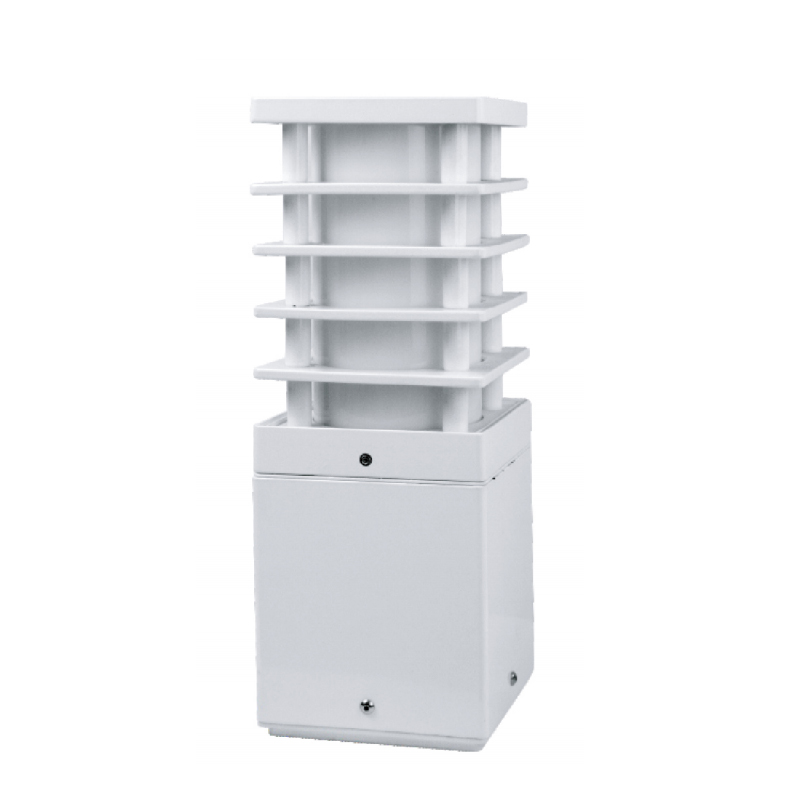
Designed specifically for exterior installation on building facades, entrance porches, balconies, and terrace walls, these fixtures prioritize weather resistance alongside functional and decorative lighting output. Key characteristics include IP65 or higher protection ratings, corrosion-resistant housing materials (aluminum, stainless steel, or marine-grade coatings), and UV-stable finishes that maintain appearance over years of sun exposure.
Style options range widely — from minimalist geometric forms that complement contemporary facades to traditional lantern designs that suit period architecture — allowing facade lighting to reinforce a building's architectural character while meeting functional illumination requirements.
Motion-sensor wall lights incorporate a PIR (Passive Infrared) sensor that detects body heat movement within a defined detection zone — typically 8 to 12 meters range at a 120° to 180° detection angle — and activates the light automatically. They switch off after a preset delay (commonly 30 seconds to 5 minutes) when no further movement is detected, conserving energy while providing immediate illumination on demand.
Beyond functional classification, wall lights are also categorized by design style, each suited to different architectural and interior contexts.
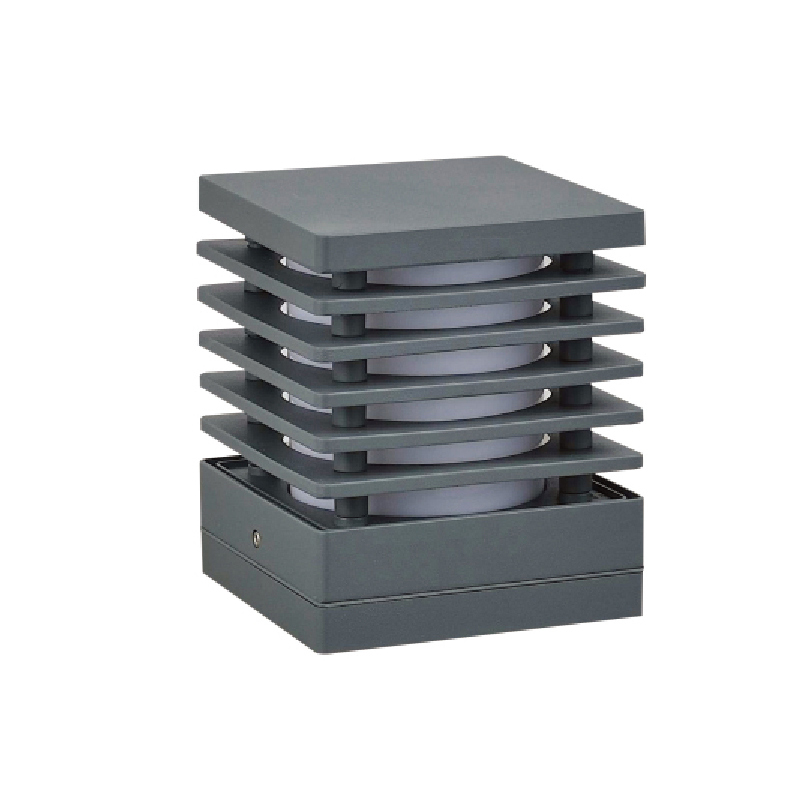
Wall lighting works by converting electrical energy into light through an LED chip, then shaping and directing that light using internal optics toward the intended target surface. The fixture connects to the building's electrical supply, passes current through a driver that regulates it to the correct level for the LED, and the LED converts the current into photons. The housing, reflector, lens, and diffuser then control how those photons are distributed — upward, downward, outward, or across an adjacent surface — to achieve the intended lighting effect. For outdoor fixtures, a weatherproof enclosure rated to IP65 or higher protects all internal components from moisture and dust throughout their service life.
Wall lights in most residential and commercial installations are connected to the building's fixed wiring system — a dedicated circuit or branch of the general lighting circuit — and switched either by a wall switch, a dimmer, a timer, or an integrated sensor.
Producing light from an LED chip is only part of how a wall light works — equally important is how the fixture shapes, directs, and controls that light. The optical components within the fixture determine the beam angle, distribution pattern, and glare control of the emitted light.
Polished or matte reflector surfaces within the fixture housing redirect light that would otherwise be emitted in uncontrolled directions toward the intended output angle. Uplights use reflectors angled to redirect light upward along the wall face; downlights use reflectors shaped to concentrate output below the fixture toward the ground or step surfaces.
A clear or frosted lens or diffuser covers the LED array. A clear lens preserves the full output brightness and beam precision. A frosted diffuser spreads the light across a wider, more uniform distribution while softening the appearance of the light source — reducing glare and hot spots that would be uncomfortable in a corridor or entrance setting. The choice between clear and frosted output is one of the key variables in wall light optical design.
Wall lights are produced in a range of beam angles suited to different tasks. Narrow beam wall lights (15°–30°) concentrate output for accent or grazing applications. Medium beam fixtures (40°–60°) are standard for entrance and pathway illumination. Wide beam fixtures (90°–120°) produce broad, even light distribution suitable for general corridor and facade illumination.
Modern LED wall lights offer selectable or fixed color temperatures that fundamentally change the character of the light they produce. Color temperature is measured in Kelvin (K) and determines whether the emitted light appears warm, neutral, or cool.
| Color Temperature | Appearance | Effect on Space | Best Application |
|---|---|---|---|
| 2700–3000K (Warm White) | Yellowish warm glow | Inviting, relaxing, intimate | Residential entrances, balconies, hospitality |
| 3500–4000K (Neutral White) | Clean, balanced white | Neutral, professional, clear | Commercial corridors, office buildings, terraces |
| 5000–6500K (Cool White) | Bluish bright white | Alert, clinical, high-visibility | Industrial areas, security lighting, utility corridors |
Wall lights operate under different control systems depending on their application and specification. Understanding how each control method works helps in selecting the appropriate fixture for the intended use.
Outdoor wall lights rated IP65 or higher incorporate engineering solutions that prevent environmental ingress from degrading internal electrical components. The IP rating system (IEC 60529) defines two protection levels with a two-digit code:
This protection is achieved through compression-sealed gaskets at all housing joints, cable entry glands with watertight seals, and UV-stable housing materials that resist cracking from thermal expansion and contraction over years of outdoor service. The result is a fixture that continues to protect its electrical components and maintain safe, reliable operation throughout its rated service life regardless of weather conditions.
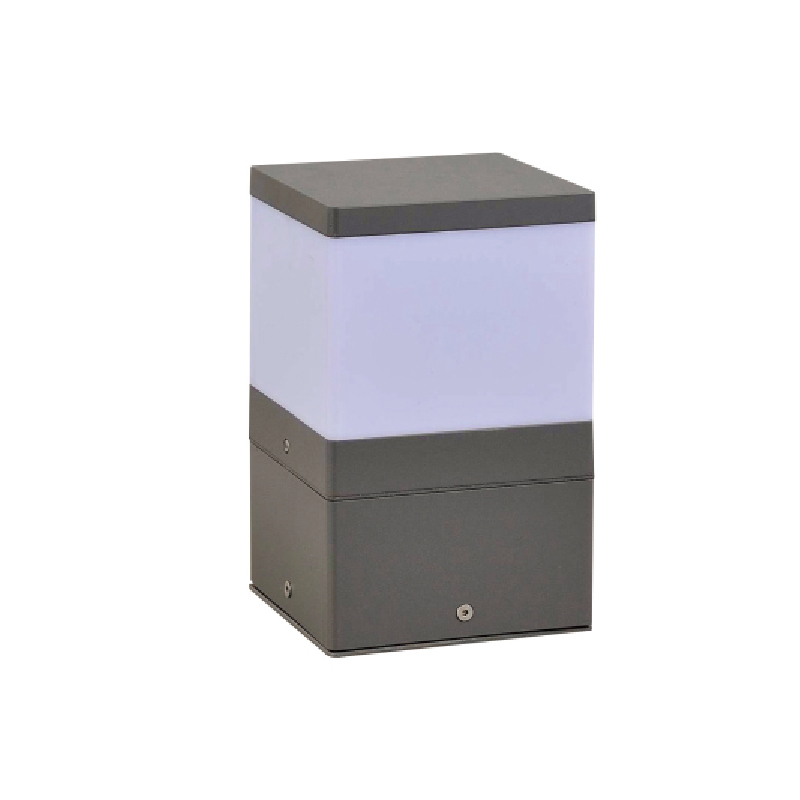
Wall lighting installation is governed by electrical safety standards, building regulations, IP rating requirements for outdoor use, and local planning or light pollution rules. The specific requirements vary by country and application type, but the core principles are consistent: all fixed wall lighting must be installed by a qualified electrician using correctly rated components, outdoor fixtures must meet minimum IP ratings for their exposure level, and light output must not create nuisance or safety hazards for neighbors or road users. Understanding these rules before specifying or installing wall lights prevents costly rework and ensures legal compliance.
Fixed wall lighting connected to the mains electrical supply is classified as fixed electrical installation work in most jurisdictions, requiring compliance with national electrical wiring regulations.
The required IP (Ingress Protection) rating for a wall light is determined by its installation zone — the level of moisture exposure it will experience. Using a fixture with an insufficient IP rating in a wet or exposed location is both a safety violation and a warranty-voiding condition.
| Installation Location | Minimum IP Rating | Notes |
|---|---|---|
| Indoor dry rooms (living areas, offices) | IP20 | No moisture protection required |
| Bathroom Zone 2 (outside 0.6m from water) | IP44 | Splash-proof from all directions |
| Covered outdoor areas (porches, canopies) | IP44–IP54 | Sheltered but may experience indirect rain |
| Exposed outdoor facades, balconies, terraces | IP65 | Full dust exclusion + water jet resistance |
| Coastal / high-humidity environments | IP66 + corrosion rating | Salt air requires marine-grade materials |
In many jurisdictions, outdoor lighting installations — particularly those that may create light trespass or nuisance — are subject to planning regulations or local authority guidelines in addition to electrical safety requirements.
In commercial buildings, public spaces, and multi-occupancy residential buildings, wall lighting used for emergency egress or fire escape route marking must comply with specific emergency lighting standards.
The recommended installation height for wall lighting depends on its application, but the standard guidelines are: 1.8 to 2.1 meters (6 to 7 feet) for general corridor and facade wall lights, 1.5 to 1.8 meters (5 to 6 feet) for entrance and decorative wall lights, and 0.2 to 0.5 meters (8 to 20 inches) for step and stair wall lights. These heights are not arbitrary — they are derived from the combination of human ergonomics, effective light distribution geometry, and glare avoidance principles. Installing wall lights at incorrect heights is one of the most common causes of poor lighting performance and uncomfortable glare in both residential and commercial projects.
| Application | Recommended Height (from floor) | Reason |
|---|---|---|
| Corridor / hallway general lighting | 1.8–2.1 m | Above eye level to minimize glare; illuminates floor area below |
| Entrance and front door | 1.8–2.0 m | Above door frame level; illuminates visitors' faces and lock area |
| Decorative / ambient wall light | 1.5–1.8 m | At or slightly above eye level for soft ambient effect |
| Bathroom mirror light | 1.7–1.9 m (center of fixture) | Centered above mirror; avoids shadows under chin and eyes |
| Stair / step riser light | 0.2–0.5 m (per step) | Illuminates tread surface; reveals step edge clearly |
| Exterior facade / security light | 2.0–3.0 m | High enough to cover large area; above vandal reach |
| Outdoor pathway / garden wall light | 0.6–1.0 m | Low-level illumination of ground surface with minimal upward glare |
The height at which a wall light is mounted determines two critical outcomes: the area of floor it illuminates, and whether the light source falls within the direct line of sight of occupants (creating glare) or above it (minimizing glare while maintaining coverage).
A wall light mounted at 1.8 meters in a corridor with a downward beam angle of 30° below horizontal will illuminate floor area beginning approximately 1.0 meter in front of the fixture and extending several meters outward. The same fixture mounted at 1.2 meters would place the illuminated zone much closer to the wall base, leaving the main walking area darker. Conversely, mounting the fixture above 2.5 meters pushes the illuminated zone further from the wall and reduces floor illuminance at typical walking distances.
Glare risk increases significantly when a wall light is mounted at eye level — approximately 1.5 to 1.7 meters for a standing adult. A light source within this zone is directly in the visual field of most occupants, making the fixture uncomfortable to look toward. Mounting the fixture above 1.8 meters places the light source above the typical line of sight, greatly reducing discomfort glare even for upward-looking occupants on stairs.
When installing multiple wall lights along a corridor, facade, or pathway, correct spacing between fixtures is as important as mounting height in achieving uniform illumination without dark spots between fixtures.
Before committing to the final installation height, several practical factors should be verified to avoid problems after the fixture is installed.
The terms "wall lighting" and "wall-mounted sconces" are often used interchangeably, but they have a meaningful distinction: "wall lighting" is the broad category encompassing all light fixtures mounted on walls, while "sconces" are a specific subcategory of decorative wall-mounted fixtures characterized by upward or diffuse light emission, visible decorative design, and an indoor or semi-outdoor accent function. All sconces are wall lights, but not all wall lights are sconces — utility bulkheads, security flood lights, step lights, and recessed wall washers are all wall lighting but not sconces.
"Wall lighting" is an umbrella term that covers every type of light fixture designed to be mounted on a vertical wall surface. This category is defined by mounting method rather than by aesthetic, function, or light distribution, and includes:
Wall lighting is specifier and trade terminology used when discussing the functional performance, IP rating, installation requirements, or type classification of fixtures — it is the category heading under which all wall-mounted fixtures are organized.
A sconce, historically, referred to a wall-mounted candle or torch holder with a reflective back plate that amplified the flame's light. In modern usage, the term retains its original connotation of a decorative wall-mounted fixture intended primarily for aesthetic ambient lighting rather than pure functional illumination.
Wall sconces are characterized by several features that distinguish them from other wall lighting types:
| Characteristic | Wall Lighting (Category) | Wall Sconces (Specific Type) |
|---|---|---|
| Scope | All wall-mounted fixtures | Decorative ambient wall fixtures only |
| Primary purpose | Functional, safety, security, or decorative | Decorative accent and ambient atmosphere |
| Light distribution | Any direction: up, down, sideward, flood | Typically upward, diffuse, or through shade |
| Typical lumen output | 50 lm (step light) to 10,000+ lm (flood) | 200–800 lm (ambient accent) |
| Design emphasis | Varies — functional to decorative | Always decorative — fixture is a design object |
| IP rating | IP20 to IP66+ depending on application | Usually IP20–IP44 (indoor/sheltered) |
| Typical locations | Indoor, outdoor, industrial, commercial | Living rooms, hotel corridors, dining areas |
| Used as primary light source? | Often yes (security, corridor, facade) | Rarely — supplementary to ceiling fixtures |
Understanding the distinction between sconces and other wall lighting types helps in making the right specification decision for each application.
Related Products
 Private Industrial Park, Liangnong Town, Yuyao City, Ningbo City, Zhejiang Province, China
 +86-13486062091
 +86-574-2222 2345
 +86-574-2267 2345
 info@ym-lighting.com


 English
 中文简体
中文简体