Mar, 18, 2026
Content
Solar lighting is a self-contained, off-grid lighting system that converts sunlight into electricity using photovoltaic (PV) solar panels, stores that energy in rechargeable batteries, and uses it to power LED lights during hours of darkness — all without any connection to the electrical grid. It is widely used for street lighting, courtyard lighting, garden and lawn lighting, and rural road illumination, particularly in areas where grid power is unavailable, expensive to install, or where zero-carbon operation is a priority.
Every solar lighting system operates on a simple but highly engineered energy cycle that repeats daily, making it fully autonomous once installed.
A complete solar lighting system integrates four main components, each with a critical role in overall system performance and longevity.
| Component | Function | Key Specification |
|---|---|---|
| Solar Panel (PV Module) | Converts sunlight to DC electricity | Conversion efficiency ≥ 23% |
| MPPT Charge Controller | Optimizes charging, protects battery | Tracking efficiency ≥ 99.9% |
| LiFePO₄ Battery | Stores energy for nighttime use | 2,000–4,000+ charge cycles |
| LED Light Source | Converts stored electricity to light | Driver efficiency up to 97.7% |
The solar lighting category covers a wide range of product types, each designed for a specific outdoor illumination purpose.
Solar lighting delivers several advantages that make it not just an environmental choice, but often the most practical and economical solution for outdoor illumination — particularly away from existing grid infrastructure.
Solar lighting is most advantageous in locations and scenarios where its off-grid capability and zero running cost provide the clearest practical and financial benefits.
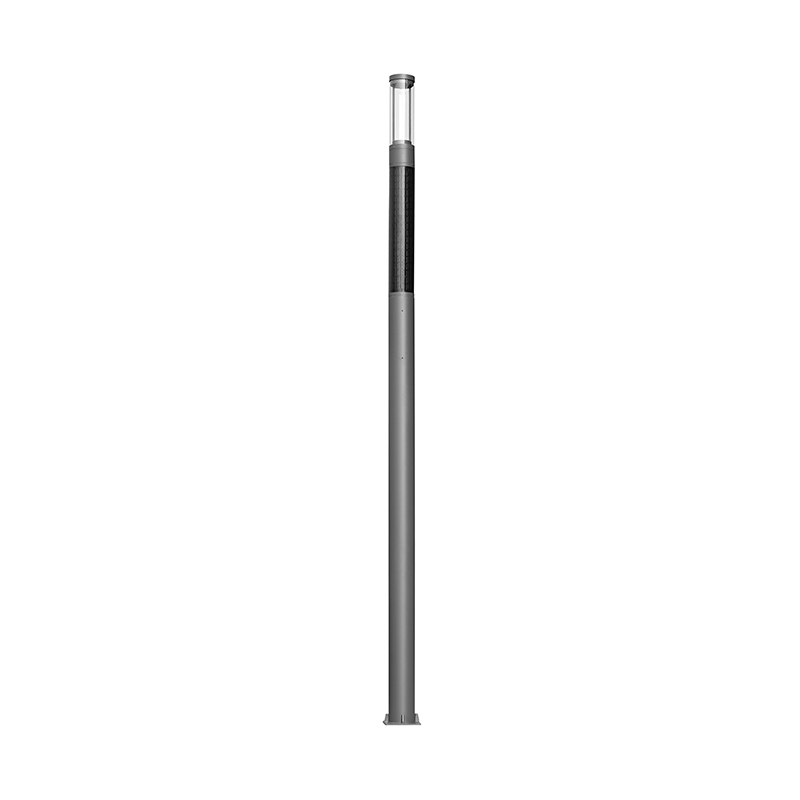
The overall lifespan of a solar lighting system is up to 25 years for the solar panel and LED light source, while the battery — the component that determines practical service life — lasts 5 to 10 years depending on battery chemistry, usage depth, and climate conditions. High-quality systems using lithium iron phosphate (LiFePO₄) batteries and efficient MPPT controllers consistently achieve the longer end of this range, while lower-quality systems using lead-acid or standard lithium-ion batteries may require battery replacement within 2–3 years.
A solar light is a system, and each component ages at a different rate. Understanding the lifespan of each part clarifies what to expect and when maintenance will be needed.
| Component | Expected Lifespan | Degradation Mode | Replaceable? |
|---|---|---|---|
| Solar Panel | 20–25 years | ~0.5% annual efficiency loss from UV exposure | Yes |
| LED Light Source | 50,000+ hours | Gradual lumen depreciation (L70 rating) | Yes (modular designs) |
| LiFePO₄ Battery | 7–10 years (2,000–4,000 cycles) | Capacity fade from cycle aging and heat | Yes |
| Standard Li-ion Battery | 3–5 years (500–800 cycles) | Capacity fade, heat sensitivity | Yes |
| Lead-Acid Battery | 2–3 years (200–500 cycles) | Sulfation, deep discharge damage | Yes |
| MPPT Charge Controller | 8–12 years | Component aging, moisture ingress | Yes |
The battery is the single component that most directly determines how long a solar light performs reliably before requiring maintenance. Battery chemistry varies significantly between product tiers, and the difference in service life is substantial.
LiFePO₄ batteries are the gold standard for solar lighting applications. They deliver 2,000 to 4,000 charge cycles before capacity drops below 80% — equivalent to 7 to 10+ years of daily charging and discharging. Their superior thermal stability means they degrade far more slowly in hot climates than other lithium chemistries, and they are significantly safer, with no thermal runaway risk. At one cycle per day, a 4,000-cycle LiFePO₄ battery lasts approximately 10.9 years before needing replacement.
Standard lithium-ion cells (18650 type) are rated for 500–800 cycles under normal conditions. At one cycle per day, this translates to approximately 1.5 to 2.2 years of full daily cycling — though moderate discharge depth can extend this to 3–5 years in practice. They are more sensitive to high temperatures than LiFePO₄, which can shorten life in hot climate installations.
Lead-acid batteries offer the lowest upfront cost but the shortest service life — typically 200–500 cycles under regular deep discharge conditions. They are also heavy and sensitive to both deep discharge and cold temperatures. In solar lighting applications with daily cycling, lead-acid batteries commonly need replacement within 2 to 3 years.
A quality MPPT (Maximum Power Point Tracking) charge controller does more than optimize energy harvest — it actively protects the battery from the two conditions that most accelerate aging: overcharging and deep discharge.
Beyond component quality, the environment in which a solar light operates significantly influences how long it lasts between maintenance interventions.
Adopting a simple maintenance routine extends the useful life of a solar lighting system significantly beyond the average, protecting the initial investment and reducing long-term replacement costs.
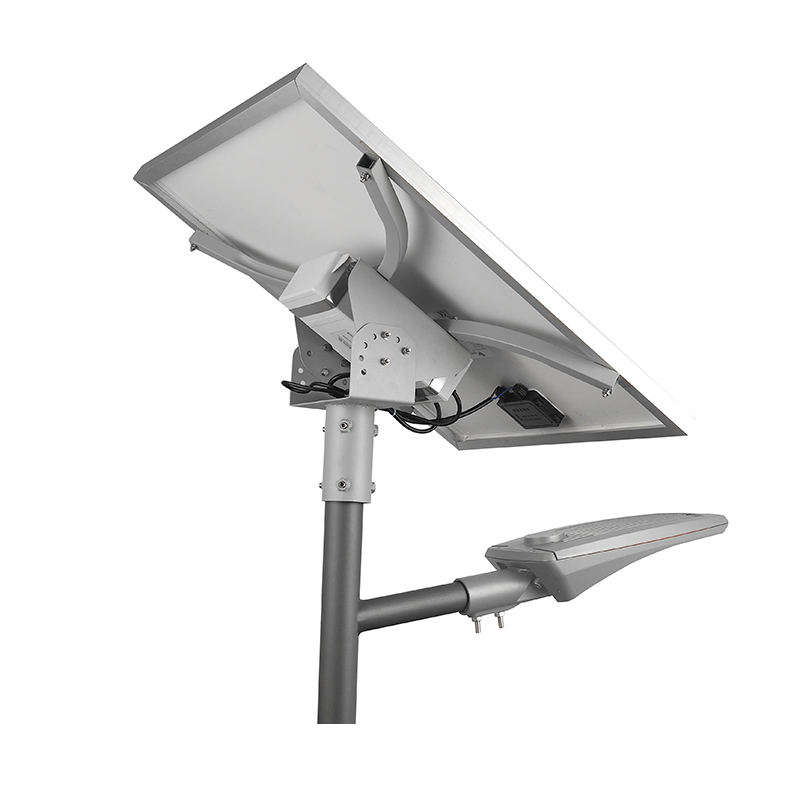
Yes — quality solar lights can be left outdoors during winter, and most are specifically engineered for year-round outdoor operation. Solar lights with IP66 or higher protection ratings, LiFePO₄ batteries, and robust housing materials withstand freezing temperatures, snow, ice, and winter storms without damage. However, their charging and runtime performance will be reduced during winter months due to shorter daylight hours and lower solar irradiance — understanding these limitations allows users to set appropriate expectations and take simple steps to optimize winter performance.
The IP (Ingress Protection) rating is the most important indicator of a solar light's ability to survive outdoor winter conditions. An IP66 rating — the standard for quality outdoor solar lights — certifies two levels of protection that directly apply to winter use:
An IP66-rated solar light can therefore withstand typical winter precipitation — rain, snow, sleet, and hail — without water ingress damaging the battery, electronics, or LED components. It will continue operating through winter storms that would destroy unrated or poorly sealed fixtures.
While solar lights can survive winter conditions physically, cold temperatures affect battery performance in ways that are important to understand.
All battery chemistries experience reduced capacity in cold temperatures — the electrochemical reactions that store and release energy slow down as temperature drops. The extent of this effect varies significantly by battery type:
| Battery Type | Capacity at 0°C | Capacity at -20°C | Cold Weather Suitability |
|---|---|---|---|
| LiFePO₄ | ~85–90% of rated | ~70–75% of rated | Excellent |
| Standard Li-ion | ~75–80% of rated | ~50–60% of rated | Moderate |
| Lead-Acid | ~70% of rated | ~40–50% of rated | Poor |
LiFePO₄ batteries — used in high-quality solar lights — retain the most usable capacity in cold conditions and recover fully to rated capacity when temperatures rise. Standard Li-ion and lead-acid batteries are more significantly impacted and may fail to power the light for the full intended duration on very cold nights.
The more significant winter challenge for solar lights is not cold temperature itself, but the reduction in available solar energy for charging. Two factors combine to reduce winter charging input:
The practical result is that a solar light that provides 10–12 hours of illumination in summer may only deliver 5–7 hours on winter nights. This is a normal characteristic of solar lighting systems and should be factored into product selection — choosing a system with larger panel and battery capacity than the minimum required for summer ensures adequate performance through winter.
Snow accumulation on the solar panel surface blocks sunlight and halts charging until it is removed. This is the most common winter performance issue for solar lights in snowy climates.
While quality solar lights are designed for year-round outdoor use, there are specific situations where storing certain types of solar lights during winter is the better choice.
For storage, charge the battery to approximately 50% and store in a cool, dry location between 0°C and 20°C. Recharge to 50% every 3 months during storage to prevent deep-discharge damage.
A brief pre-winter check takes less than 30 minutes per unit and significantly improves winter performance and long-term battery health.
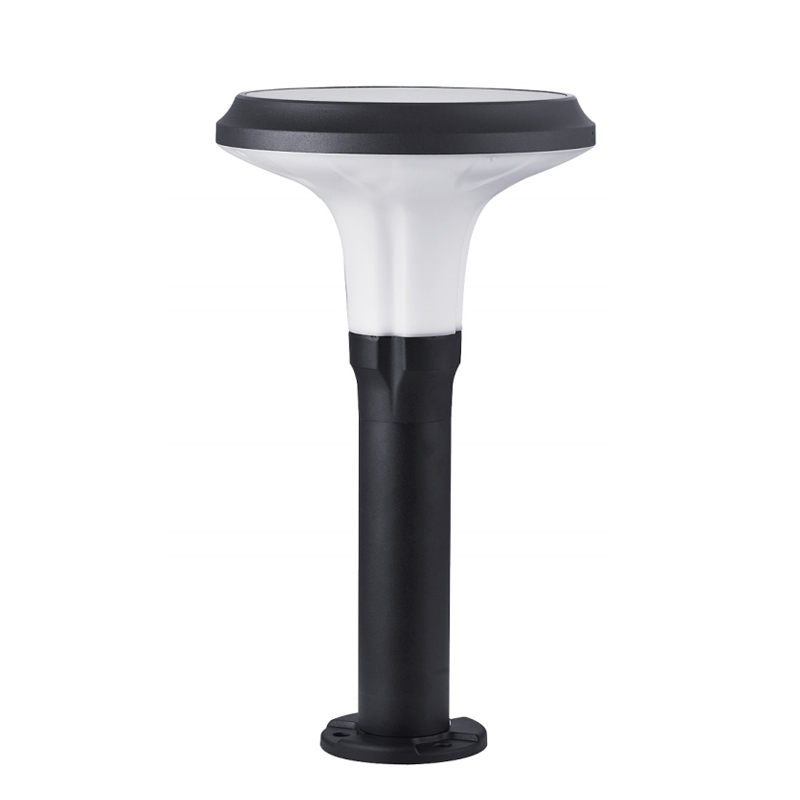
The most common malfunctions in solar lights are battery failure, insufficient charging from dirty or shaded panels, LED driver faults, water ingress into the housing, and controller malfunction. Most of these issues are diagnosable without specialist tools and are correctable through cleaning, battery replacement, or simple component swaps — making solar light maintenance straightforward for most users. Understanding the symptoms and causes of each fault type allows problems to be resolved quickly before they cause permanent damage.
A solar light that fails to illuminate at night is the most reported malfunction. Several distinct causes produce this symptom, and diagnosing the correct one determines the appropriate fix.
| Symptom Detail | Most Likely Cause | Solution |
|---|---|---|
| Never turns on, even after full sunny day | Dead battery or faulty controller | Replace battery; test controller |
| Turns on briefly then switches off | Battery severely depleted or failing | Replace battery |
| Light turns on during the day | Faulty light sensor / photoresistor | Replace sensor or controller |
| Works intermittently on some nights only | Insufficient charging from shading or dirty panel | Clean panel; remove shading obstructions |
| No response at all, even to test switch | Battery fully discharged or internal wiring fault | Charge battery externally; inspect wiring |
A solar light that previously provided 8–10 hours of illumination but now switches off after 2–4 hours is experiencing battery capacity degradation — the most common age-related malfunction in solar lights.
Battery capacity naturally declines over time with each charge cycle. When capacity falls below approximately 50–60% of the original rated value, nighttime runtime becomes noticeably shortened. This progression can be accelerated by high operating temperatures, repeated deep discharge events, or a controller that failed to prevent overcharging. The solution in virtually all cases is battery replacement — the housing, panel, and LED components typically remain in good condition.
A secondary cause of shortened runtime is a dirty or partially shaded solar panel that fails to fully recharge the battery each day — a clean panel and unobstructed sun exposure will restore full runtime if the battery itself is still in adequate condition.
Reduced brightness or flickering during operation points to one of three fault conditions:
If the battery fails to charge adequately despite adequate sunlight, the fault lies in the solar panel, the charge controller, or the wiring connecting them.
Water entering the fixture body causes corrosion of electrical connections, short circuits in the controller or LED driver, and accelerated battery degradation. This malfunction is preventable through proper IP-rated enclosure design and periodic seal inspection.
Signs of water ingress include visible condensation inside the lens cover, green or white corrosion deposits on wiring terminals, erratic switching behavior, or complete failure following heavy rainfall. In fixtures without adequate IP rating (below IP65), water ingress during the first heavy rain event is not uncommon.
Prevention requires selecting fixtures rated at IP66 or higher for outdoor installation, and inspecting housing seals every 2–3 years — reapplying sealant at any point where cracking or hardening is observed. Once corrosion damage reaches the controller or battery connections, component replacement is usually required.
The following sequence covers the majority of solar light faults and resolves most issues without requiring component replacement:
LED lights and solar lights are not directly competing technologies — solar lights use LED light sources internally, making "LED light" and "solar light" a comparison between a power supply method (grid vs solar) rather than a light source technology. The real question is whether a grid-connected LED lighting system or a solar-powered LED system better suits your application. For locations with reliable grid access, grid-powered LED lights offer more consistent and controllable illumination. For off-grid locations, areas without wiring infrastructure, or applications prioritizing zero running cost and carbon-free operation, solar LED lighting is the superior choice.
It is important to clarify a common misconception before comparing these two lighting types. Solar lights do not use a different light-emitting technology — they use the same LED chips and drivers as grid-connected LED fixtures. The difference lies entirely in how electrical power is supplied to those LEDs:
Both systems can achieve identical LED light quality — the same lumens, color temperature, CRI, and beam angle — because the light source technology is identical. The comparison is therefore about infrastructure, cost structure, reliability, and application suitability.
| Factor | Grid-Connected LED Light | Solar LED Light |
|---|---|---|
| Power source | Utility grid (AC mains) | Solar panel + battery (off-grid) |
| Electricity running cost | Ongoing monthly cost | Zero |
| Installation cost | High (trenching, cabling, connection) | Low (no wiring required) |
| Light output consistency | Constant, fully controllable | Varies with weather and seasons |
| Carbon emissions (operation) | Depends on grid energy mix | Zero |
| Reliability in power outages | Fails when grid goes down | Continues operating independently |
| Dimming and smart control | Full range — DALI, 0-10V, smart systems | Motion sensing, timer, basic dimming |
| Usable in areas without grid | No | Yes |
| System lifespan | LED: 50,000+ hrs; fixture: 10–15 yrs | Panel: 25 yrs; battery: 7–10 yrs (LiFePO₄) |
| Maintenance complexity | Low (no battery; stable supply) | Low-moderate (panel cleaning, battery replacement) |
Grid-connected LED lighting is the optimal solution in several specific contexts where consistent, controllable, high-intensity illumination is the primary requirement.
Solar LED lighting offers clear advantages over grid-connected systems in a growing range of applications where its off-grid capability, zero running cost, and zero carbon operation are decisive factors.
While solar LED lights have a higher upfront purchase price than basic grid-connected LED fixtures of equivalent output, the total cost of ownership over a 10–25 year period typically favors solar in any location where installation costs are significant or electricity costs are meaningful.
A grid-connected street light requires trenching and underground cable installation — costs that can reach $50–$150 per meter of cable run on top of the fixture cost itself. A solar street light requires only a ground anchor or pole base, with no cable trenching whatsoever. For a road with 50 light points spaced 30 meters apart, the cable installation cost alone for a grid-connected system can represent the equivalent of the entire solar lighting installation.
Over the solar panel's 25-year lifespan, with zero electricity cost and only one or two battery replacements required, the total cost of solar LED lighting is substantially lower than the combined purchase, installation, and electricity cost of grid-connected LED lighting across the same period — particularly as electricity prices continue to rise globally.
Neither grid LED nor solar LED is universally superior — the right choice depends on where the light is installed, what performance it needs to deliver, and what the total cost of ownership looks like over the system's lifetime.
For the growing number of outdoor lighting applications in rural, residential, and low-to-medium-intensity environments, solar LED lighting represents the most cost-effective, environmentally responsible, and installation-friendly solution available today.
Related Products
 Private Industrial Park, Liangnong Town, Yuyao City, Ningbo City, Zhejiang Province, China
 +86-13486062091
 +86-574-2222 2345
 +86-574-2267 2345
 info@ym-lighting.com


 English
 中文简体
中文简体