Apr, 03, 2026
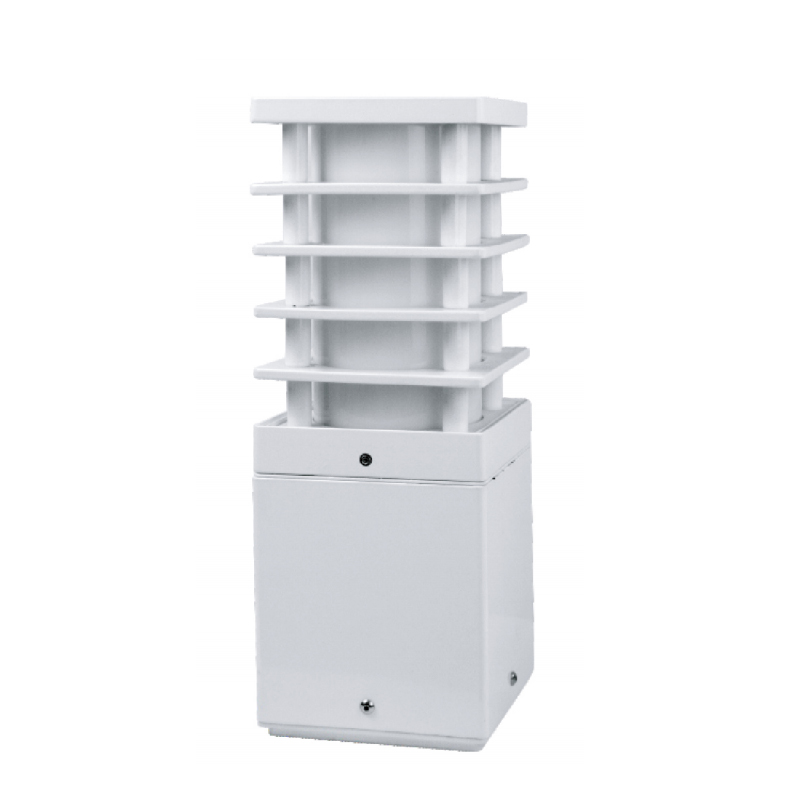
Lawn lighting refers to low-mounted outdoor light fixtures specifically designed for installation in grass, turf, and landscaped ground areas to provide decorative illumination and gentle ambient light. Unlike street lights or floodlights that prioritize functional visibility, lawn lights treat landscape decoration as their primary function — creating soft, layered lighting effects that enhance the aesthetic beauty of park lawns, villa gardens, scenic green spaces, and residential landscaping zones after dark. Auxiliary lighting for safe pathway navigation is a secondary benefit.
Content
Lawn lights occupy a distinct category within outdoor lighting, defined by their placement, scale, and design intent:
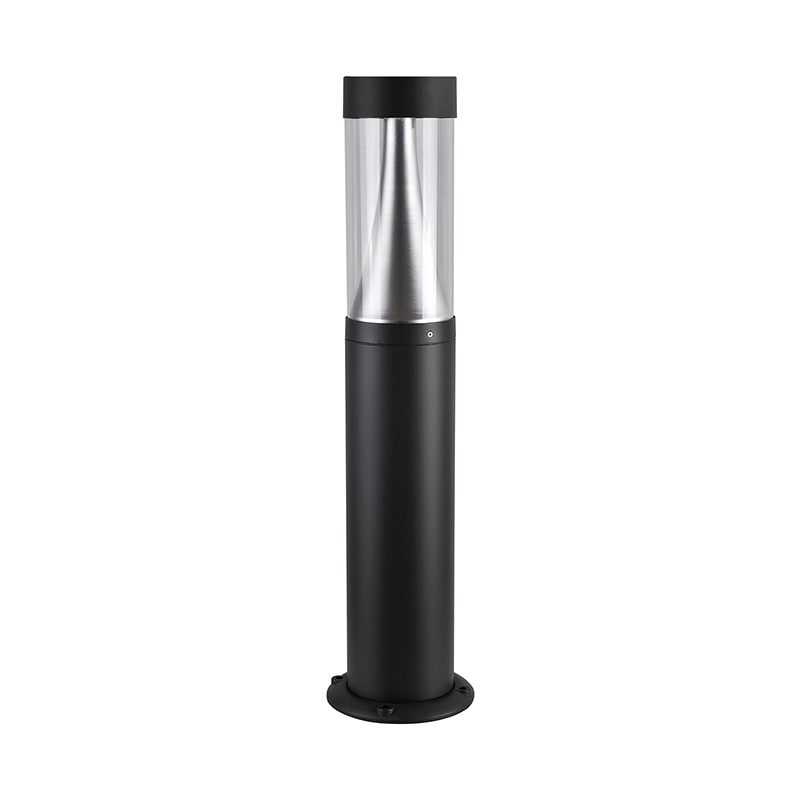
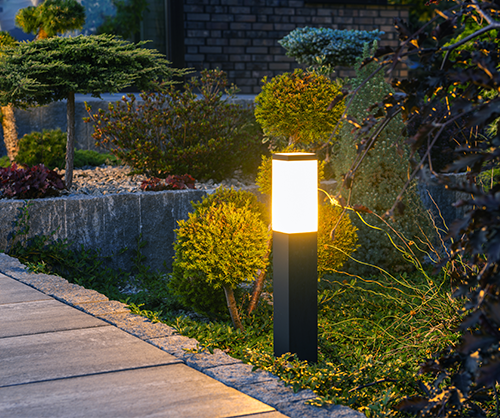
Lawn lighting is deployed across a wide range of landscape environments where creating an attractive nighttime atmosphere is a priority:
Municipal parks use lawn lights along walking paths, around water features, and across open grass areas to extend the usability of the space into evening hours while maintaining a calm, non-intrusive lighting atmosphere that does not disturb local wildlife or neighboring residences.
In private residential gardens, lawn lights define the edges of manicured lawn areas, frame garden borders, and create warm illuminated zones around outdoor seating and entertainment areas. The soft light enhances the romantic and premium character of the garden without producing harsh glare visible from inside the home.
Botanical gardens, resort grounds, and scenic tourist zones use lawn lighting to guide visitors through landscape features after dark and to highlight key plantings, water features, and sculptural elements — creating nighttime experiences that rival the daytime landscape.
Housing developments, gated communities, and apartment complexes install lawn lights throughout shared green spaces and entrance areas to enhance curb appeal, improve perceived safety, and add visual value to the property after dark.
Contemporary lawn lighting relies almost exclusively on LED light sources, which offer the energy efficiency, long lifespan, and color quality that landscape applications demand. Low-power LED sources — typically in the 3W to 15W range — produce sufficient output for decorative lawn illumination while consuming a fraction of the energy of older halogen or incandescent equivalents.
Common LED configurations used in quality lawn light products include:
LED lawn lights rated at 25,000 to 50,000 hours of operational life significantly reduce the maintenance burden of replacing bulbs in hard-to-access lawn installations.
Color temperature is one of the most important selection criteria for lawn lighting, as it determines the emotional character of the landscape at night:
| Color Temperature | Visual Character | Best Application |
|---|---|---|
| 2700K–3000K | Warm white — amber-toned, soft | Residential gardens, romantic villa lawns, hospitality grounds |
| 3500K–4000K | Neutral white — balanced, natural | Public parks, community green spaces, pathway edging |
| 5000K–6500K | Cool white — crisp, modern | Contemporary minimalist landscapes, commercial properties |
| RGB / tunable | Variable color, programmable | Scenic attractions, festivals, dynamic landscape events |
Warm white tones (2700K–3000K) are the most widely specified for residential and hospitality lawn lighting because they create the soft, warm, romantic atmosphere that enhances the layering and natural beauty of planted landscapes at night.
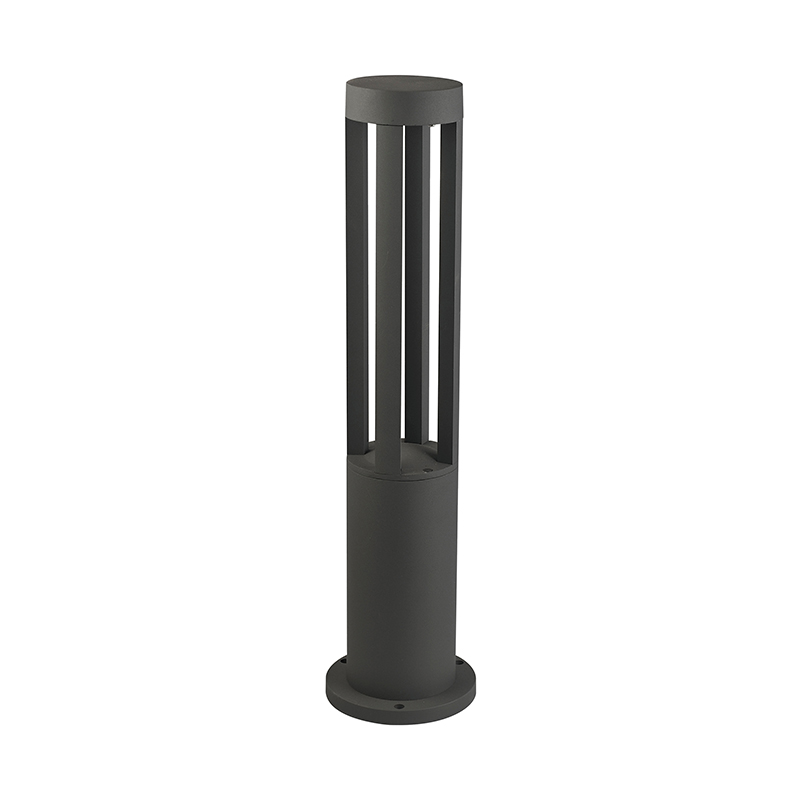
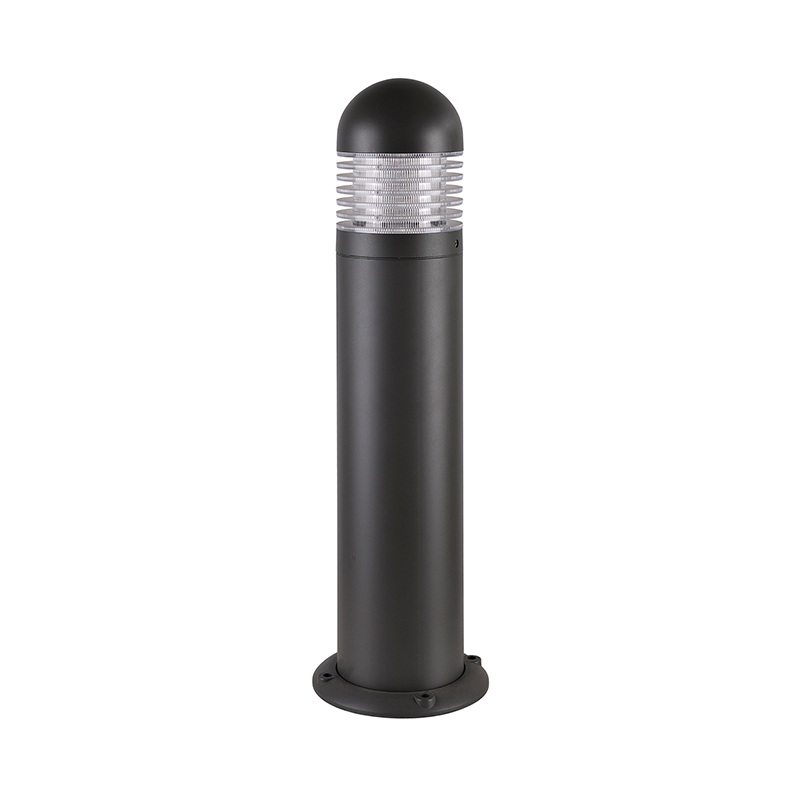
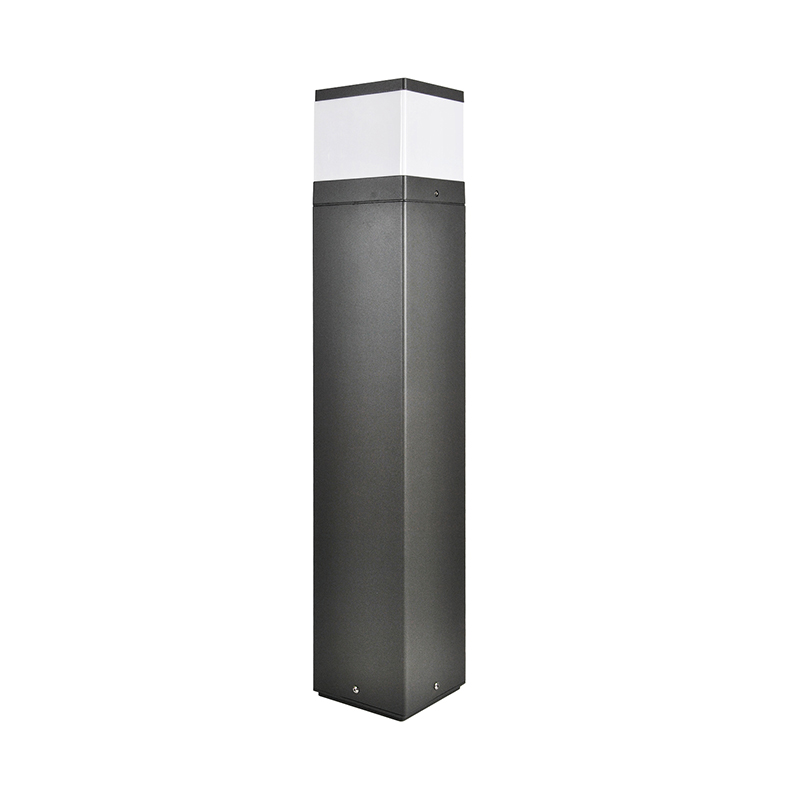
Lawn lighting is available in a broad range of design styles to coordinate with different landscape themes and architectural contexts:
Both round and square light head profiles are commonly available, with round forms producing a softer, more diffused light spread and square forms providing a more directional, contemporary appearance.
Because lawn lights are installed directly in ground-level turf and soil, they are continuously exposed to moisture — from rainfall, irrigation, dew, and ground water — more intensely than most other outdoor lighting types. An IP65 rating is the minimum standard for any lawn light intended for genuine outdoor use: this confirms the fixture is fully dust-tight and protected against sustained water jets from any direction.
Quality lawn lights achieve this through:
Modern lawn lighting systems increasingly support intelligent control options that improve energy efficiency and operational convenience for large-scale landscape installations:
In large park or resort installations with hundreds of lawn lights, DALI-enabled systems can reduce nighttime energy consumption by 30–50% compared to fixed-output non-dimmed installations — a significant operational cost saving over the lifetime of the system.
Lawn lights are designed for straightforward installation. Most models use a spike or ground anchor at the base of the pole that is pressed directly into turf or soft soil — requiring no concrete foundation for standard residential applications. Larger commercial installations may use a buried ground sleeve for greater stability and easier future replacement without disturbing the surrounding turf.
Key maintenance considerations include:
With LED light sources rated for tens of thousands of hours, lamp replacement is rarely required — the most frequent maintenance task is simply keeping the fixtures clean and correctly positioned.
Related Products
 Private Industrial Park, Liangnong Town, Yuyao City, Ningbo City, Zhejiang Province, China
 +86-13486062091
 +86-574-2222 2345
 +86-574-2267 2345
 info@ym-lighting.com


 English
 中文简体
中文简体 русский
 Français
 বাংলা
বাংলা 한국어
한국어 日本語
日本語 Latine
 ไทย
ไทย عربى
عربى Hrvatski
 čeština
 dansk
dansk Nederlands
 Pilipino
 Deutsch
 Suomalainen
 Magyar
 Indonesia
 italiano
 فارسی
فارسی Gaeilge
 Bahasa Melayu
 norsk
norsk Português
 Polskie
 Español
 Română
 Slovák
 svenska
 Türk
Türk