
 English
 中文简体
中文简体
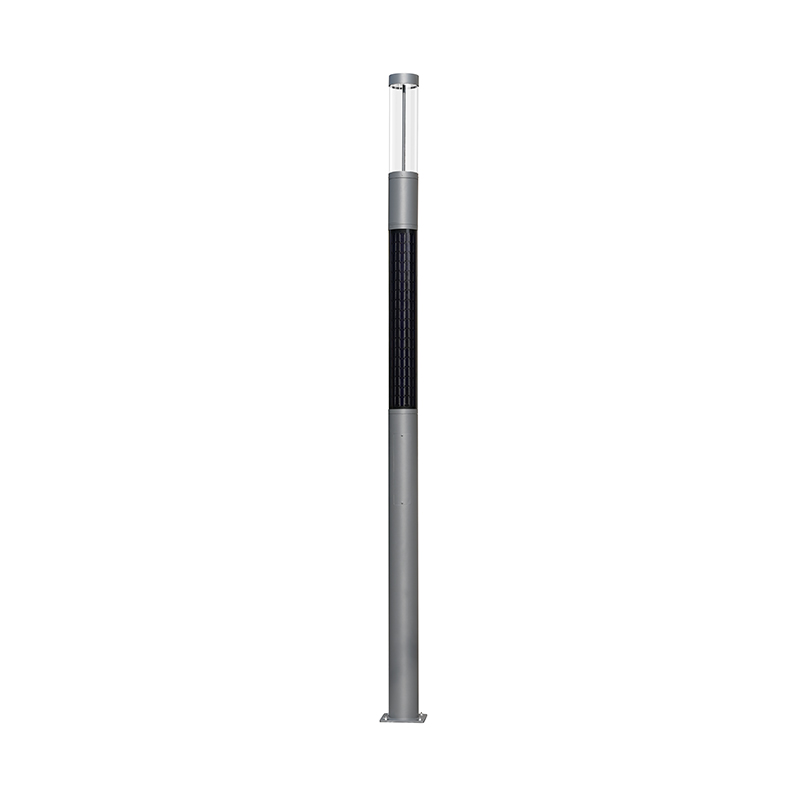
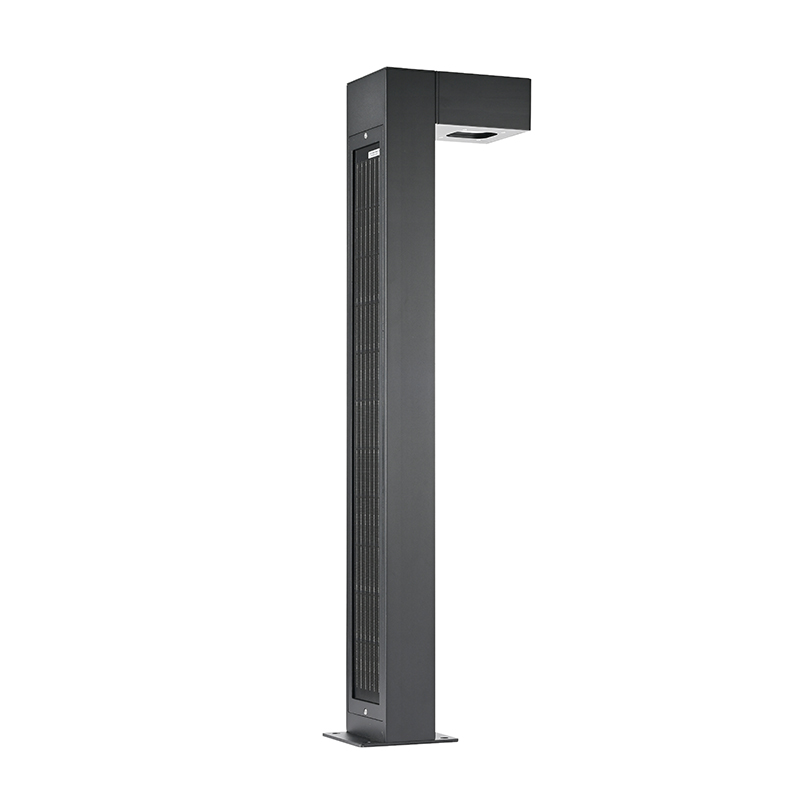
A road inside an industrial park has no grid connection, yet the site needs 12 hours of reliable lighting every night. That is the real starting point when someone begins looking for solar street LED...
READ MORE
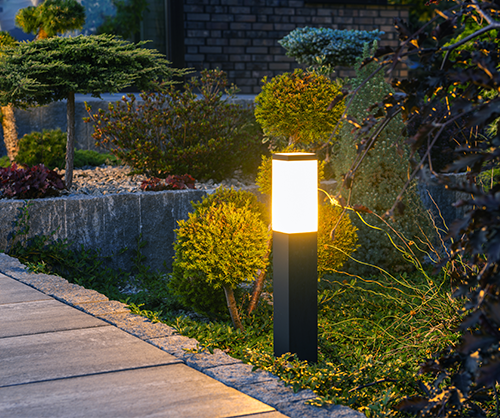
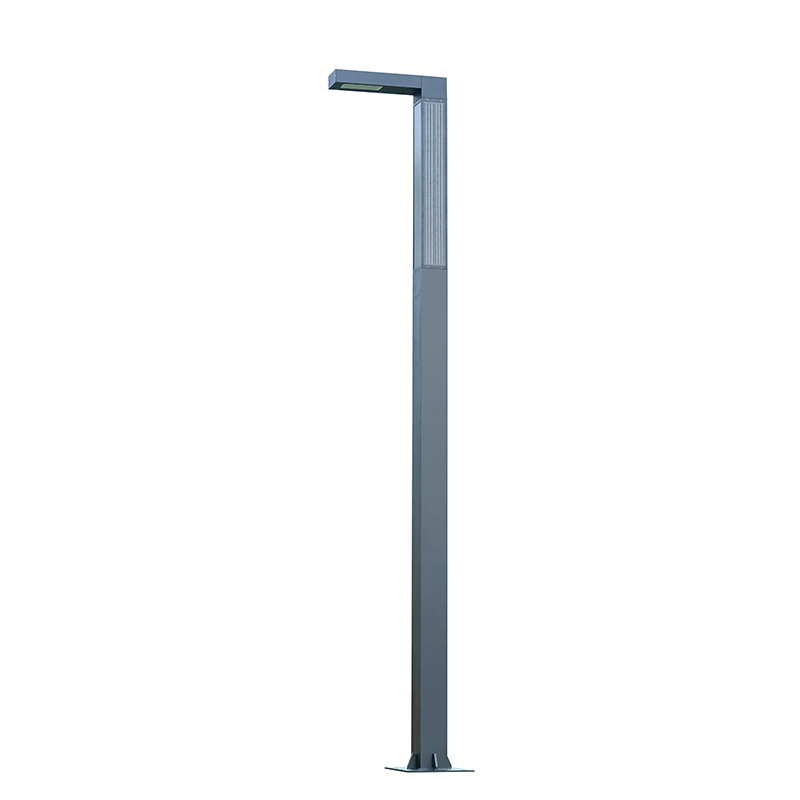
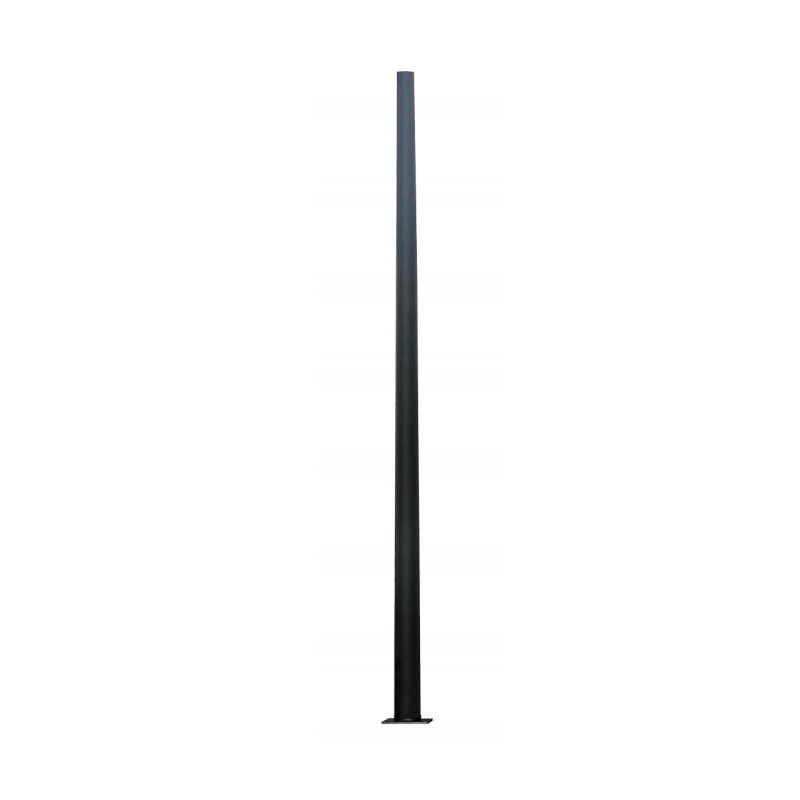
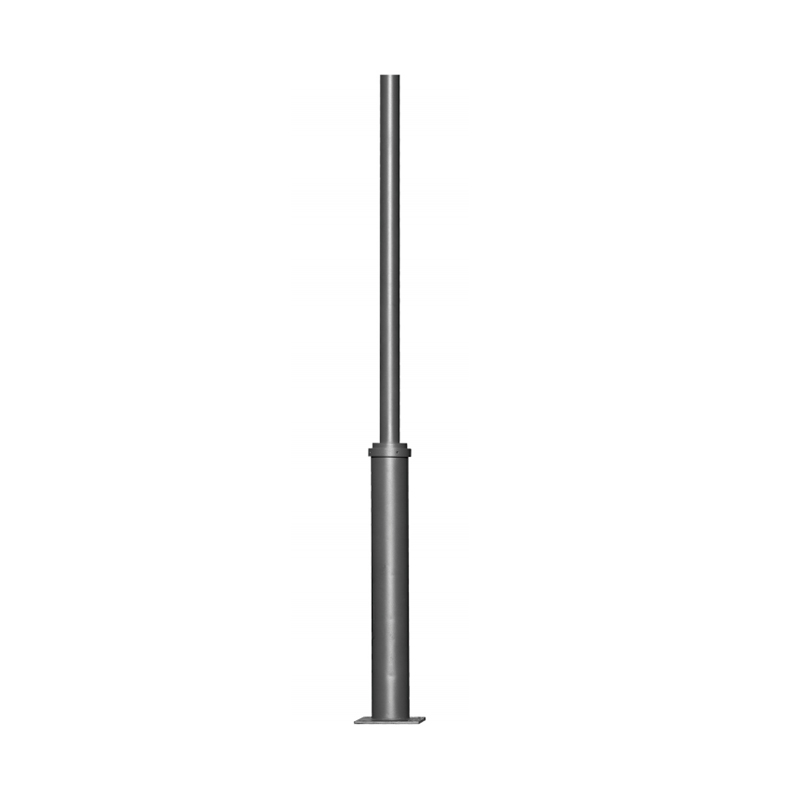
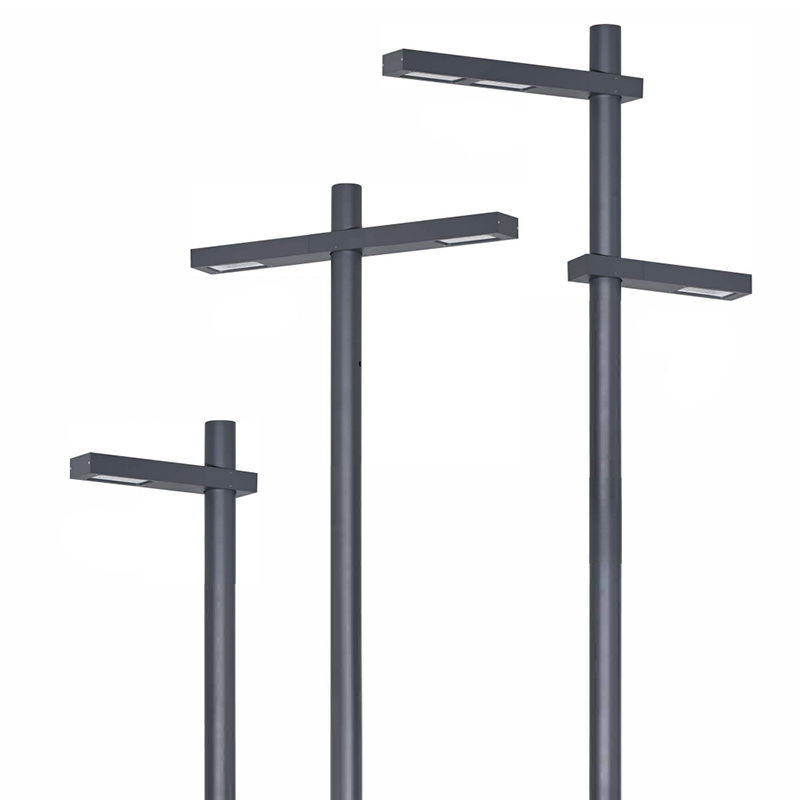
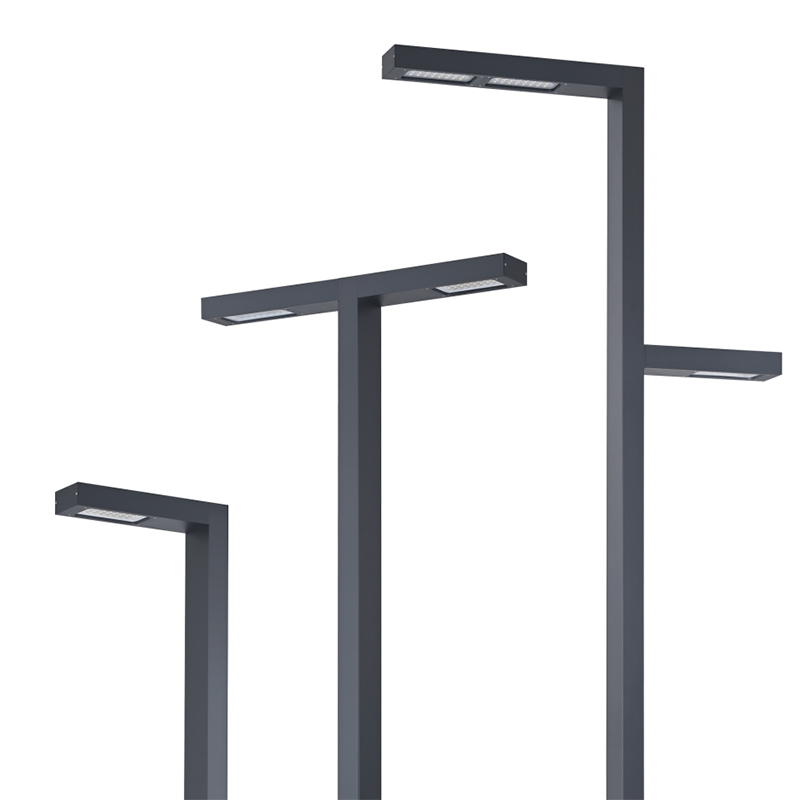
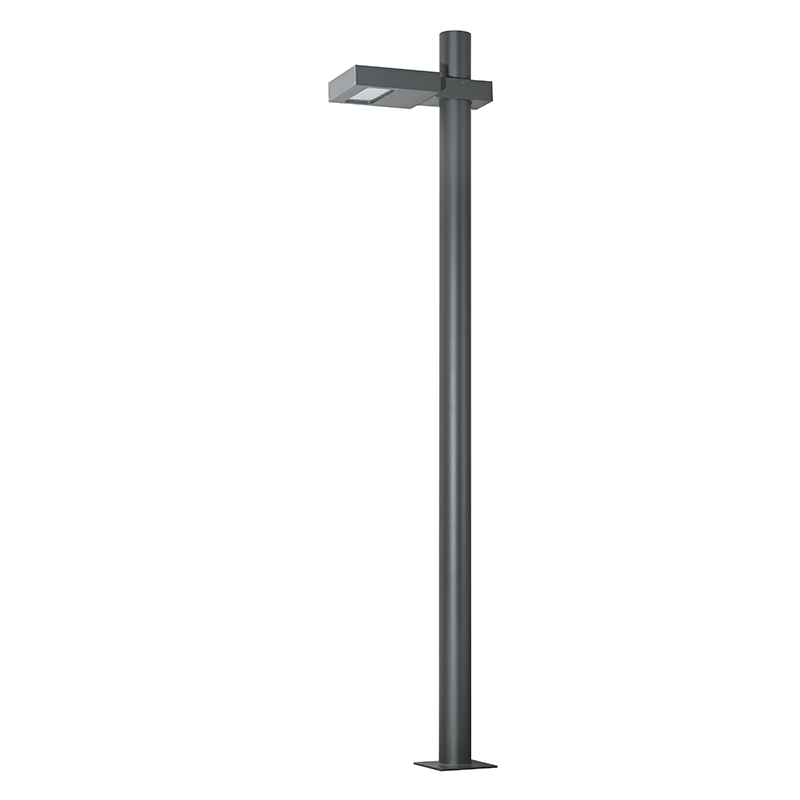
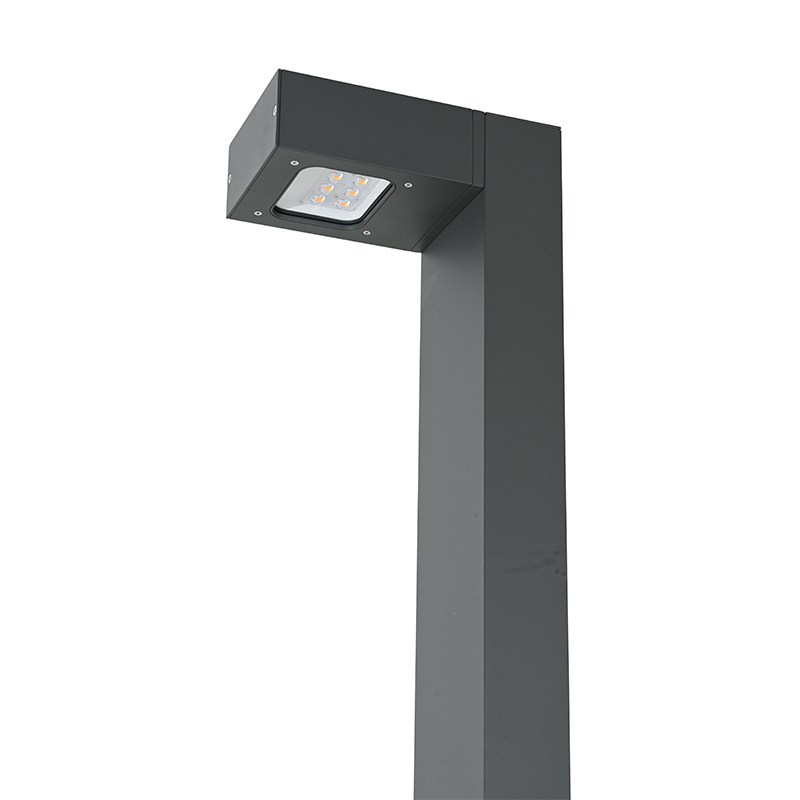
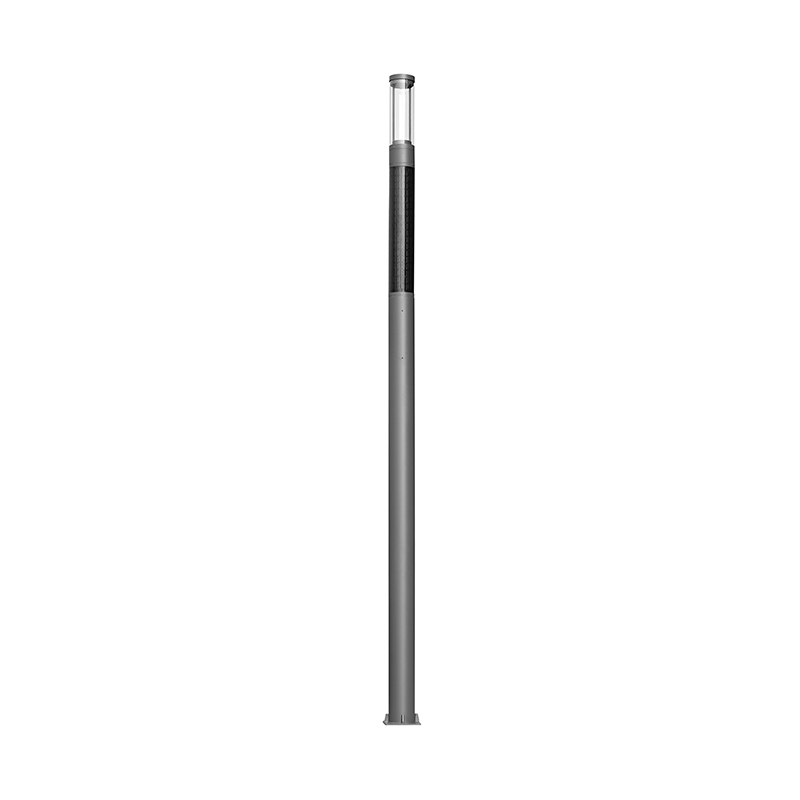
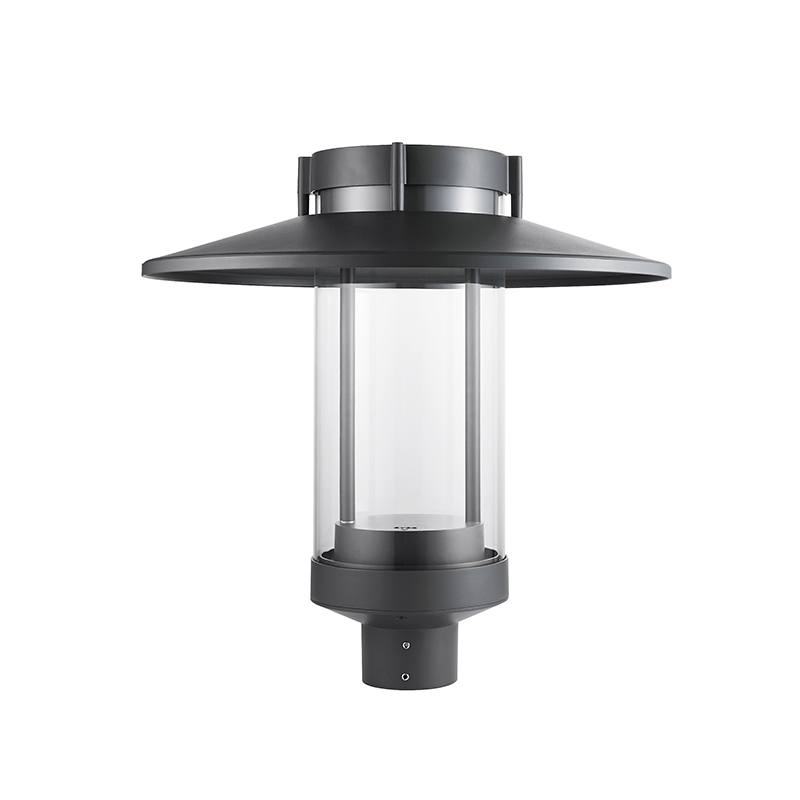
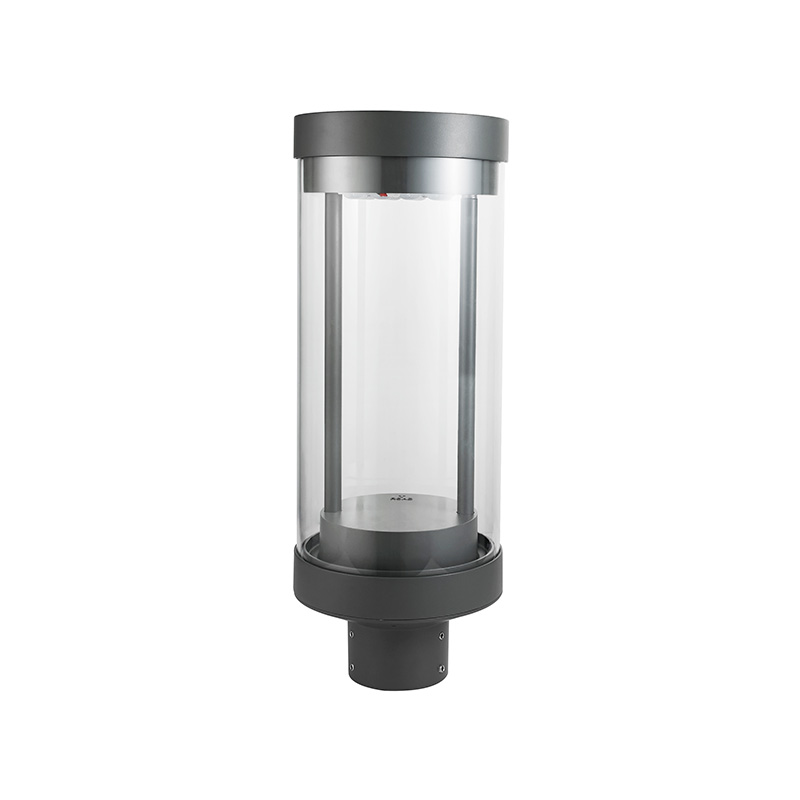
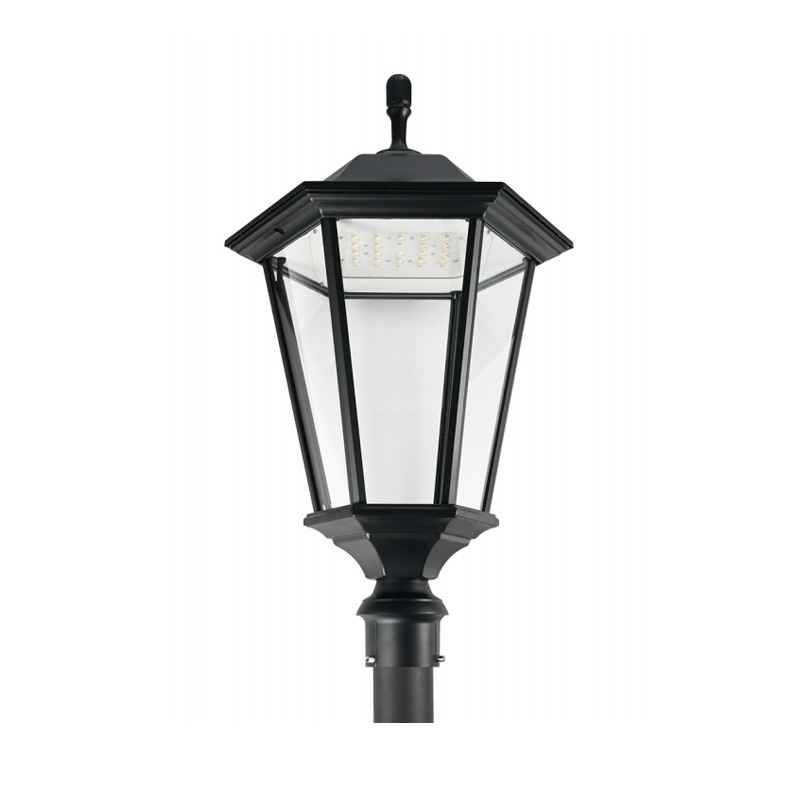
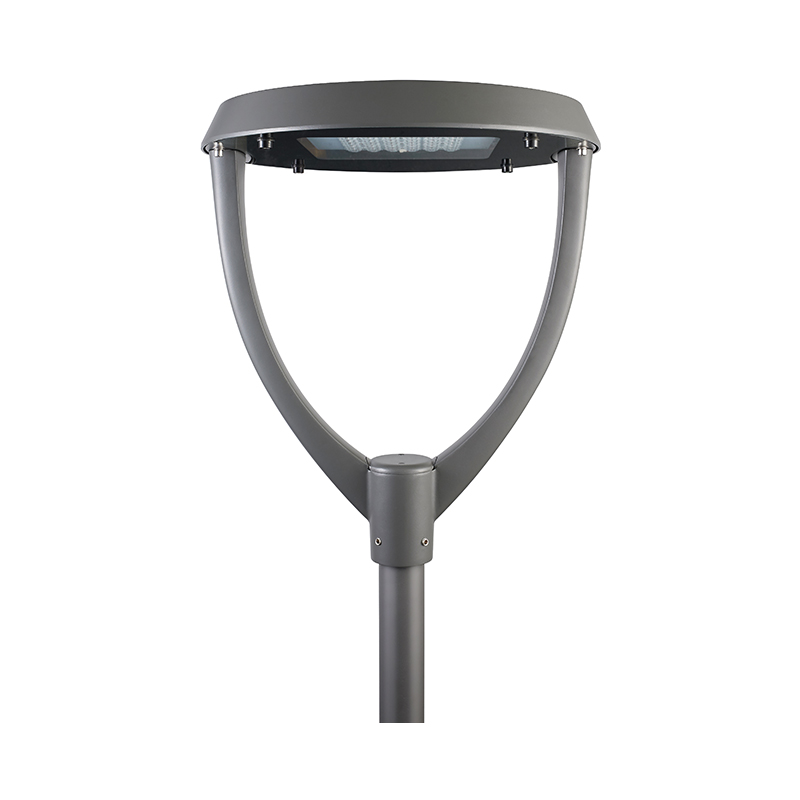
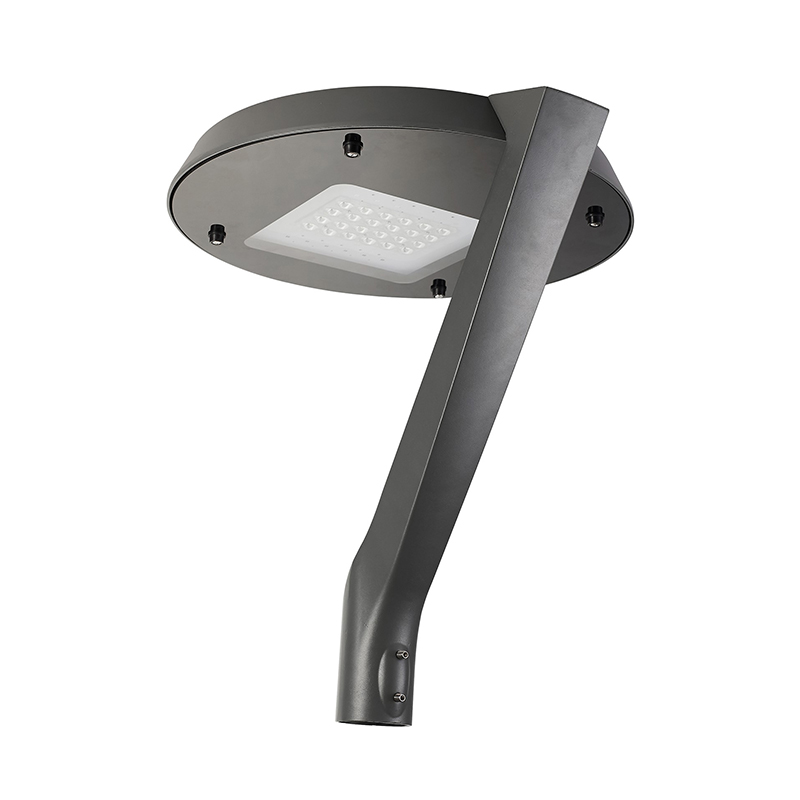
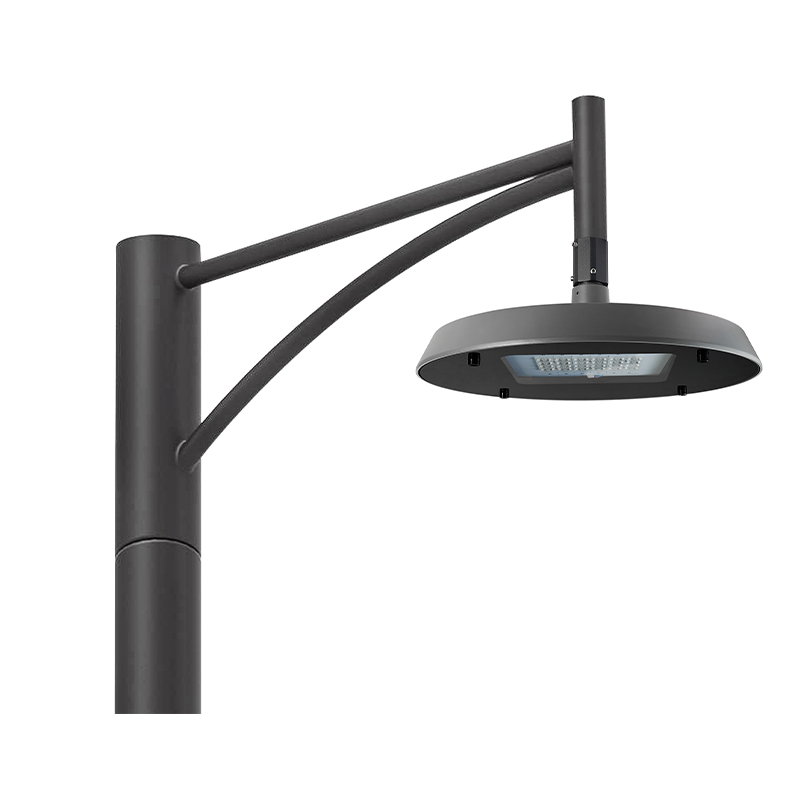
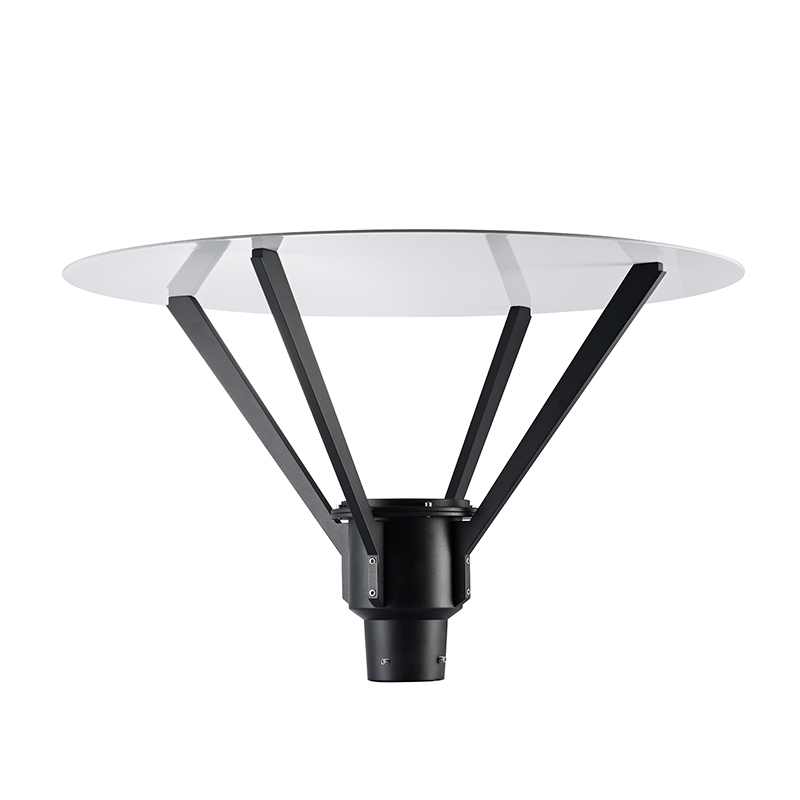
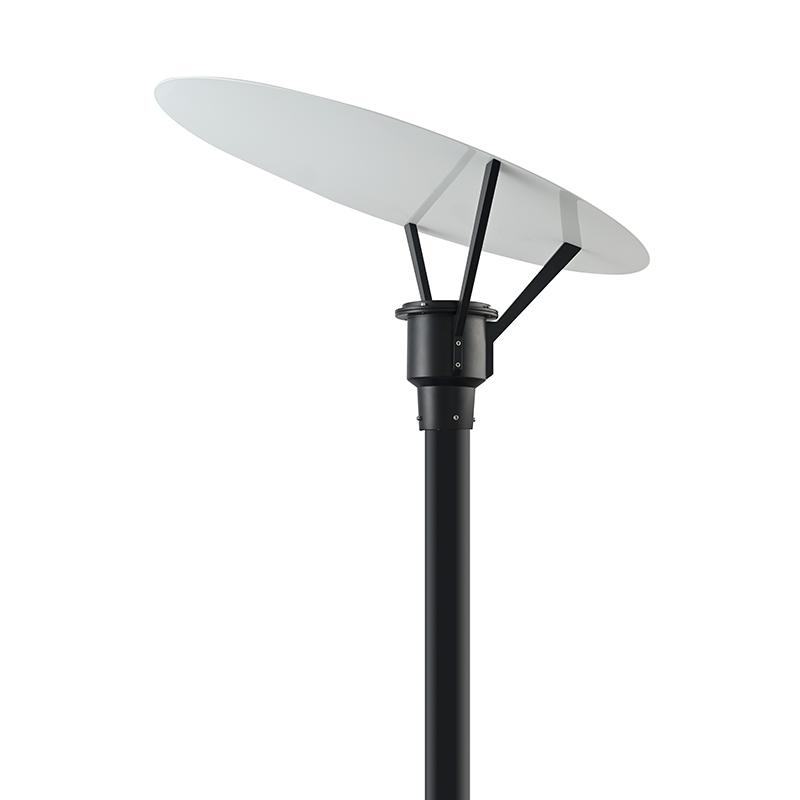
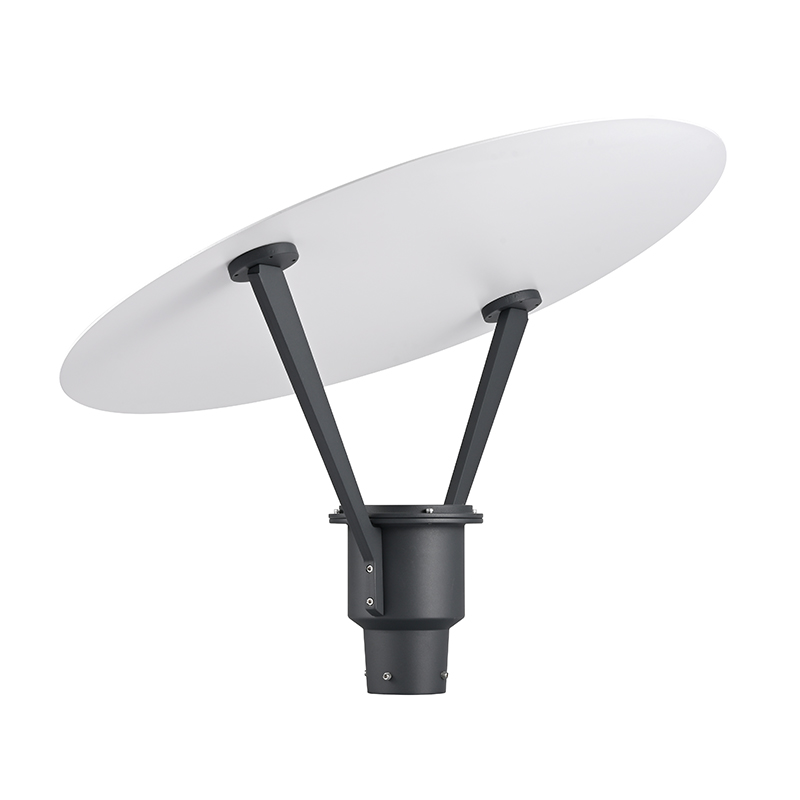
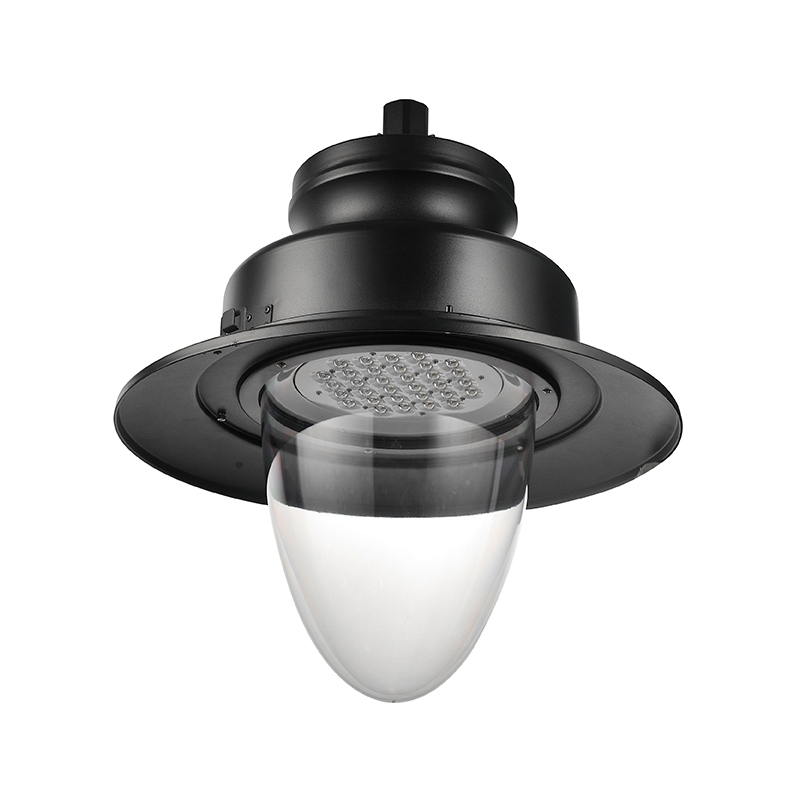
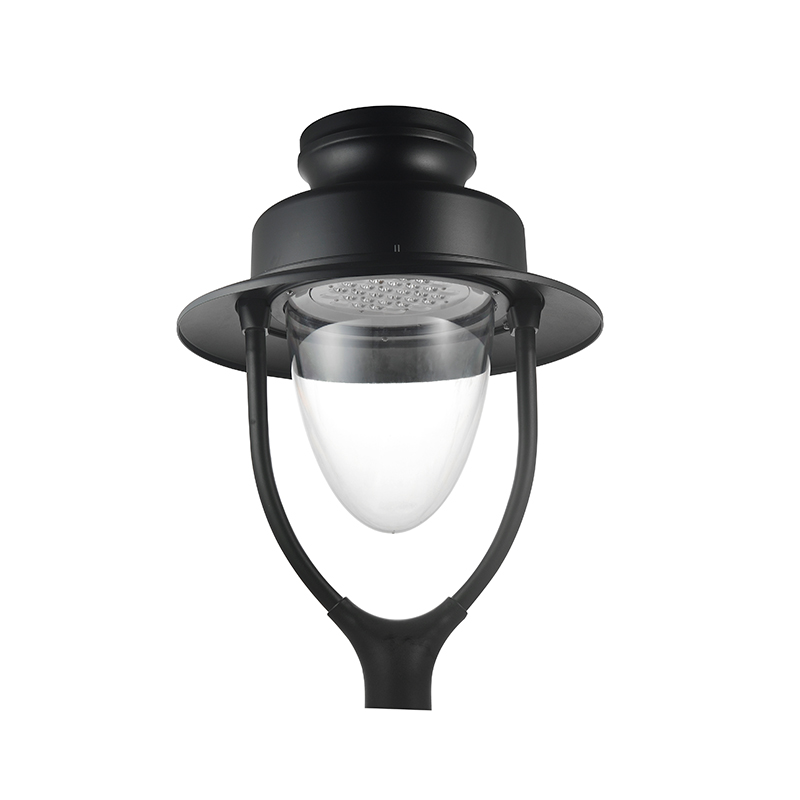
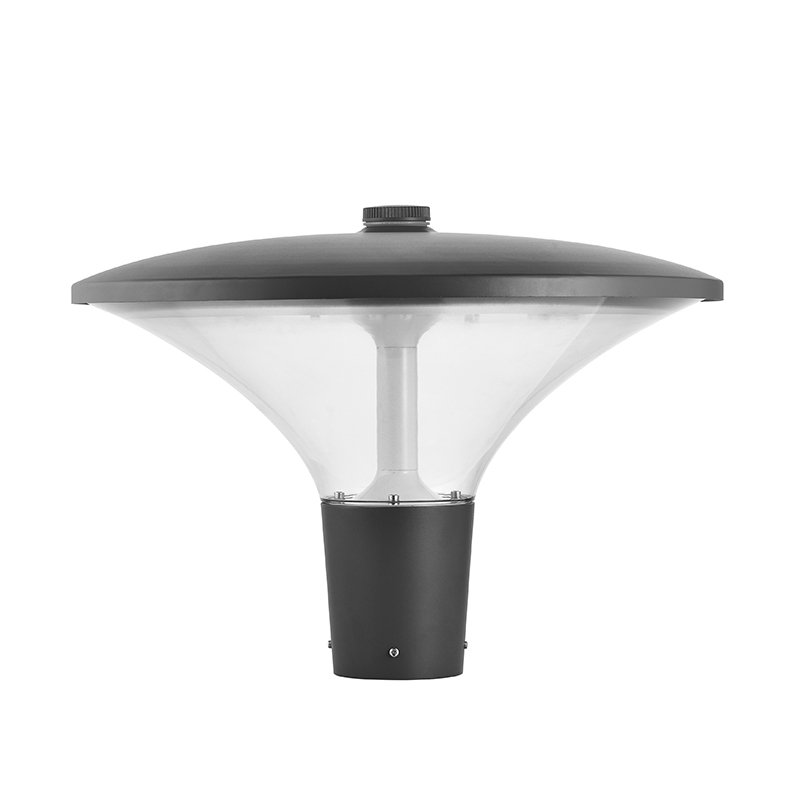
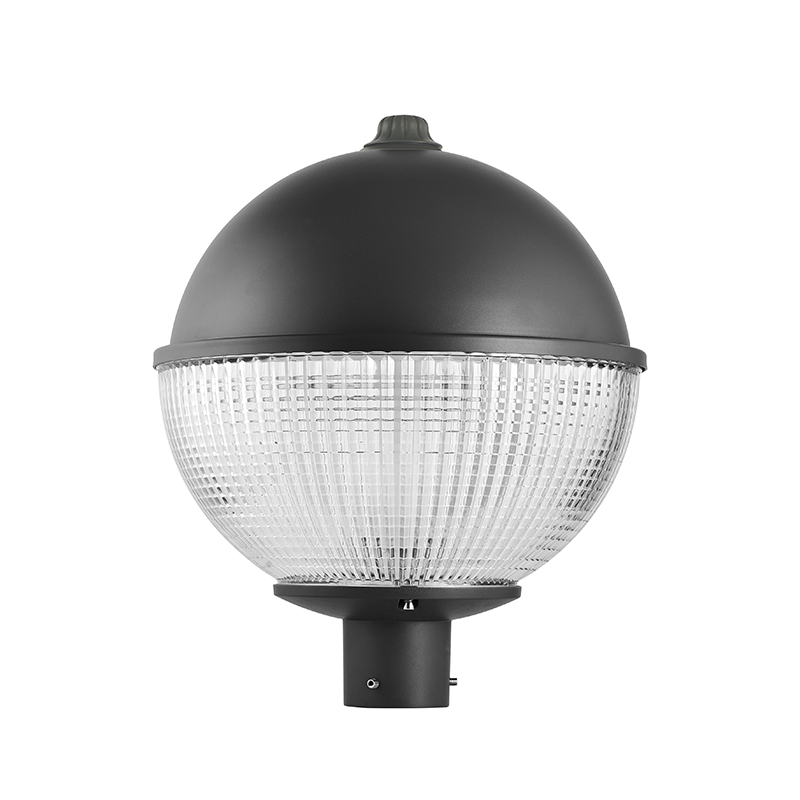
This series of courtyard lights is specifically designed for outdoor lighting in areas such as courtyards, villa gardens, and residential landscapes. Its core focus is the dual functionality of "decoration + illumination."
1. High-Performance Lighting: All products utilize high-quality, high-efficacy Philips/Ledstar 5050 LED light sources. These offer energy efficiency, durability, soft light distribution, and excellent color rendering, allowing for the accurate restoration of the natural colors of garden plants and landscaping.
2. Reliable Power Supply: Equipped with efficient, stable, and reliable LED drivers from Inventronics, Philips, or Meanwell. These drivers support smart control and dimming options while maintaining high protection levels and long-term durability.
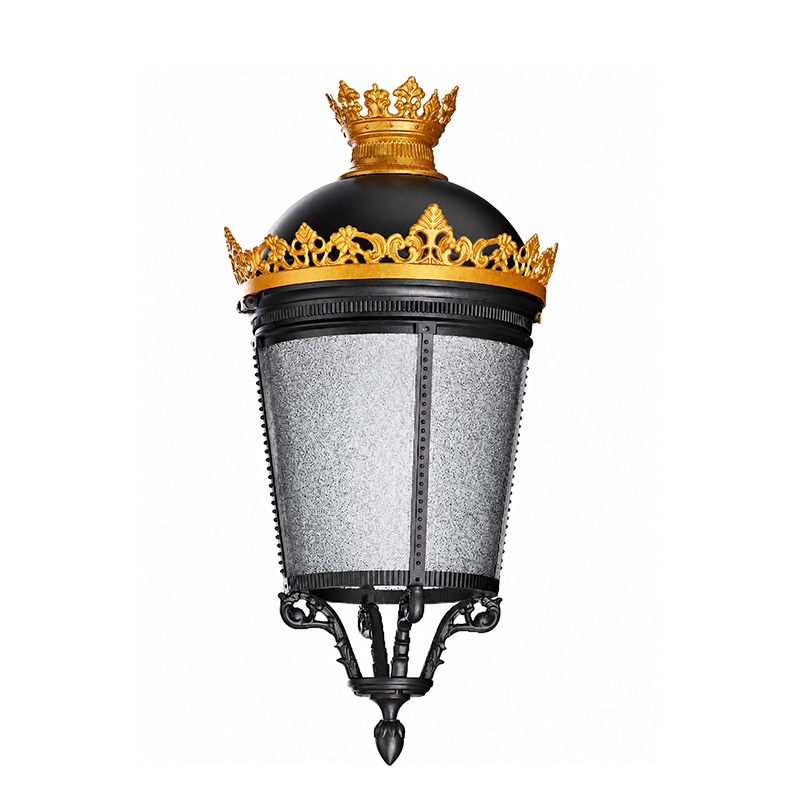
3. Versatile Aesthetics: Available in a variety of designs, ranging from European vintage to modern minimalist styles, to suit different courtyard lighting preferences and architectural themes.
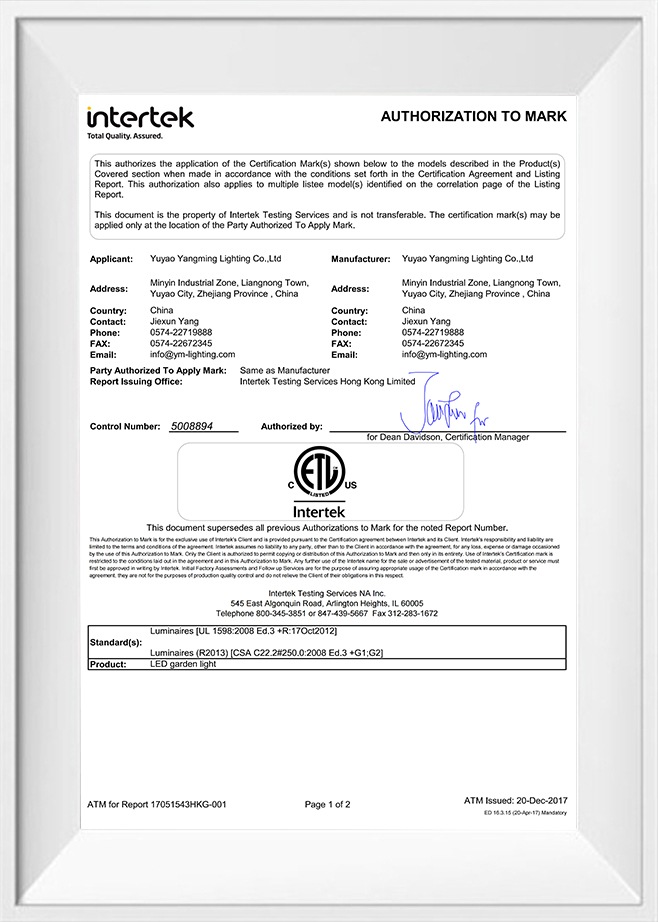
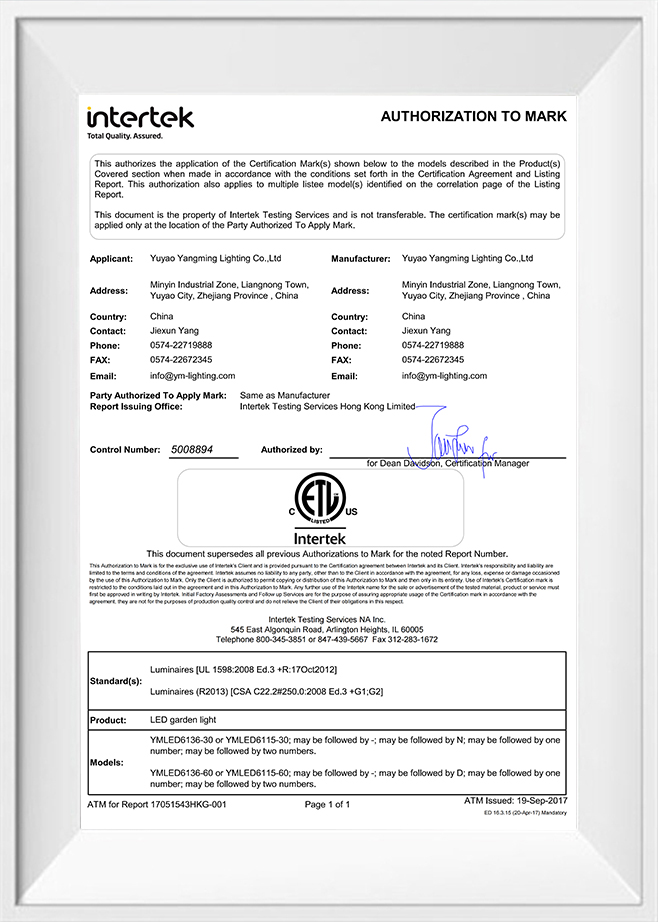
4. Outdoor Durability: With a protection rating of IP66 or higher, these lights are waterproof and dustproof, making them capable of handling complex outdoor weather. They satisfy basic functional lighting for nighttime paths while using layered light and shadow to create a warm, elegant atmosphere that enhances spatial style and residential well-being.





A road inside an industrial park has no grid connection, yet the site needs 12 hours of reliable lighting every night. That is the real starting point when someone begins looking for solar street LED...
READ MOREWhen a lighting specifier points to a fixture on a pole and says “that mounting,” they are usually describing the tenon mount. It is the short metal stub that slips into the base of the luminaire and...
READ MOREWalk behind almost any warehouse, school, or retail building at night and you will see wall pack fixtures at work: sealed metal housings mounted eight to sixteen feet up, throwing controlled light ac...
READ MOREParking lot lighting decisions usually start with a visible problem. A corner of the lot is too dark at night, a pole-mounted fixture is flickering, or the monthly electric bill has become harder to ...
READ MORETwo parking lots can be fitted with pole fixtures of the same wattage and the same mounting height, and one will still end up brighter, safer and cheaper to run than the other. The difference rarely ...
READ MORELED garden lighting refers to a specialized category of outdoor luminaires engineered specifically for courtyards, villa gardens, residential landscapes, and private outdoor living spaces. Unlike general-purpose street or area lighting, garden lighting prioritizes a carefully balanced dual function: practical nighttime illumination combined with decorative atmosphere creation. The result is a lighting environment that is safe and functional after dark while simultaneously enhancing the visual quality, mood, and perceived value of the outdoor space.
The shift from traditional incandescent and halogen garden lights to LED technology has transformed this product category. Modern LED garden lights deliver 70–80% lower energy consumption, service lives of 30,000–50,000 hours, and light quality that far surpasses older sources in color rendering — enabling the accurate, vivid reproduction of garden plant colors and natural materials that makes the difference between a merely lit garden and a beautifully illuminated one.
An LED garden luminaire is a complete lighting system comprising four functional subsystems working together: the LED light source, the optical assembly, the LED driver, and the weather-rated housing. Understanding how each component contributes to overall performance helps in making informed specification and purchasing decisions.
High-quality LED garden lights use high-efficacy SMD LED chips mounted on thermally conductive circuit boards. The LED package converts electrical energy directly into light through electroluminescence — a fundamentally more efficient process than the thermal radiation of incandescent lamps or the gas discharge of fluorescent sources. Premium 5050-format LEDs used in quality garden luminaires offer efficacies of 130–180 lm/W at the chip level, with Color Rendering Index (CRI) values of 80–90 that faithfully reproduce the greens, browns, and textures of garden planting and paving materials.
The LED driver is the electronic power supply unit that converts mains AC voltage to the constant-current DC supply required by the LED array. Driver quality is the single most reliable predictor of long-term luminaire reliability — a high-quality driver maintains stable current delivery across the full operating temperature range, protects the LED from voltage transients, and supports dimming and smart control integration. Quality garden lighting drivers maintain a power factor of ≥ 0.90 and total harmonic distortion below 15%, ensuring efficient use of electrical supply capacity and compatibility with smart home systems.
Garden luminaires use diffuser lenses, frosted glass panels, or reflector assemblies to shape the raw LED output into the desired light distribution. For post-top garden lights, a wide, symmetric distribution illuminates the surrounding ground and planting evenly. For directional spotlights and uplighters, narrow beam optics concentrate light on specific focal features. Opal diffusers are the most common choice in courtyard post lights — they eliminate visible LED hotspots, producing a warm, glowing appearance that reads as premium quality both day and night.
Garden luminaire housings are die-cast from aluminium alloy or formed from 304/316 stainless steel, then finished with powder-coat paint systems that resist UV degradation, salt spray, and mechanical abrasion. The housing must achieve at minimum IP65 ingress protection — full dust exclusion and protection against low-pressure water jets. Quality garden series achieve IP66, providing protection against powerful water jets at any angle, suitable for gardens with irrigation systems, pressure washers, and heavy seasonal rainfall.
The advantages of LED technology in garden lighting applications extend across every performance dimension that matters to residential and commercial landscape owners.
A 10 W LED garden post light delivers the same usable light output as a 60–75 W incandescent equivalent. For a residential garden with 10 post lights operating 6 hours per night, this translates to an annual energy saving of approximately 240 kWh per year — a meaningful reduction in electricity bills and carbon footprint that compounds over the luminaire's 15–20 year field service life.
Garden plants, natural stone, timber decking, and water features all have rich, complex spectral reflectance characteristics that only high-CRI light sources reveal accurately. LED garden lights with CRI ≥ 80 render the deep greens of foliage, the warm tones of timber, and the subtle variations in stone texture with natural fidelity — creating an illuminated garden that looks as rich and alive at night as it does in daylight. Lower-CRI sources make the same garden appear flat, grey, and artificial.
Traditional halogen garden lamps require replacement every 1,000–2,000 hours — approximately once or twice per year for fixtures in regular use. LED garden lights are rated to L70 ≥ 30,000 hours (the point at which output has declined to 70% of initial value), eliminating the maintenance burden and ladder-climbing that lamp replacement in post-mounted garden fixtures requires. For commercial garden and landscape installations, this reduction in maintenance frequency represents a significant operational cost saving.
LED garden lights reach full brightness instantaneously with no warm-up period, making them fully compatible with motion sensor and photocell control systems. Dimming capability — supported through 0–10 V, TRIAC, or DALI protocols in quality garden luminaires — allows light levels to be adjusted for different uses and times of night, from full brightness for entertaining to a reduced ambient level for overnight security, reducing energy consumption by a further 20–40% during lower-demand periods.
One of the most significant product developments in LED garden lighting has been the expansion of design vocabulary beyond the utilitarian forms of earlier generations. Today's garden luminaire ranges span a broad aesthetic spectrum, enabling precise alignment with every architectural style and landscape design direction.
Lantern-style post lights with ornate cast-aluminium bodies, curved bracket arms, and antique bronze or matt black finishes reference the gas lamp aesthetics of 19th-century European streetscapes. These designs are most appropriate for formal English-style gardens, Victorian and Edwardian architecture, classical villa landscapes, and heritage residential developments where the lighting must feel consistent with the period character of the built environment. Warm white color temperatures of 2,700–3,000 K are essential for these styles — cooler temperatures undermine the warm, nostalgic atmosphere that classic lantern designs are chosen to create.
Clean geometric profiles in cylindrical, square-column, or flat-cap formats suit contemporary architecture and modern landscape design. These luminaires typically feature smooth powder-coat finishes in anthracite grey, matt black, or warm white, with minimal surface ornamentation. Light distribution is often engineered to be asymmetric — directing light downward and outward while concealing the LED source completely — consistent with the contemporary design preference for light without visible luminaires. Color temperatures of 3,000–4,000 K complement the crisp lines and neutral material palettes of modern garden design.
| Garden / Architecture Type | Recommended Style | Color Temperature | Finish Recommendation |
|---|---|---|---|
| Classical villa / heritage home | European lantern | 2,700–3,000 K | Antique bronze / matt black |
| Contemporary / minimalist home | Geometric column / cylinder | 3,000–4,000 K | Anthracite grey / matt white |
| Resort / boutique hotel garden | Custom decorative bollard | 2,700–3,000 K | Brushed aluminium / custom RAL |
| Japanese / Zen garden | Low-profile ground light / stone lantern form | 2,700 K | Weathered bronze / dark grey |
| Coastal / beach house garden | Marine-grade stainless post | 3,000–3,500 K | Brushed SS / powder-coated white |
The most effective LED garden lighting schemes do not rely on a single luminaire type or a uniform illuminance level across the entire garden. Instead, they use a layered approach that combines multiple lighting functions — ambient, task, accent, and decorative — to create depth, visual interest, and the warm, elegant atmosphere that makes an outdoor space feel truly inhabitable after dark.
Post-mounted garden lights at heights of 1.2–2.5 m provide the primary ambient illumination layer — establishing the overall brightness level of the outdoor space and ensuring safe movement through paths, seating areas, and entrance approaches. Spacing of 4–8 m between post lights is typical for residential garden paths, with lumen outputs of 400–1,200 lm per fixture depending on path width and ambient brightness target.
Directional ground-mounted spotlights and in-ground uplighters create the accent layer — drawing attention to focal points such as specimen trees, architectural walls, water features, and garden sculptures. Narrow-beam spotlights of 10°–25° concentrate light dramatically on specific targets; wider 40°–60° beams wash larger surfaces such as hedges and garden walls. Positioning uplighters at the base of trees and directing light upward through foliage creates the dappled, organic light-and-shadow effects that give high-quality garden lighting its characteristic warmth and depth.
The decorative lighting layer adds the finishing touches that transform a lit garden into a designed space — illuminated pergola structures, lit water features, string light canopies over seating areas, and integrated lighting in steps and raised planters. This layer operates at the lowest illuminance levels but has the greatest impact on perceived atmosphere and residential well-being, as it creates the visual richness and layered depth that guests and residents notice and remember.
The IP (Ingress Protection) rating is the internationally standardized measure of a luminaire's resistance to solid particles and water ingress, defined in IEC 60529. For LED garden lighting, the IP rating is one of the most critical specification parameters — it determines whether the luminaire will survive the full range of outdoor weather conditions it will encounter over its service life.
| IP Rating | Solid Protection | Water Protection | Suitable For |
|---|---|---|---|
| IP44 | Objects > 1 mm | Splashing water (any direction) | Sheltered outdoor positions only |
| IP54 | Dust limited ingress | Splashing water (any direction) | Sheltered garden positions |
| IP65 | Full dust exclusion | Low-pressure water jets | Standard exposed garden use |
| IP66 | Full dust exclusion | Powerful water jets (any direction) | Recommended standard for garden lighting |
| IP67 | Full dust exclusion | Temporary immersion (1 m / 30 min) | In-ground and water-feature-adjacent fixtures |
| IP68 | Full dust exclusion | Continuous submersion (rated depth) | Underwater pool and pond lighting |
For garden post lights, path bollards, and wall-mounted garden fixtures in residential and commercial landscape applications, IP66 is the recommended minimum specification. This rating ensures the luminaire can withstand direct hosepipe contact from any angle — unavoidable during garden irrigation and cleaning — without water infiltrating the driver or LED compartment.
A well-planned LED garden lighting installation requires decisions across four areas: layout design, product selection, electrical infrastructure, and control strategy. Addressing each area systematically before ordering products prevents the costly rework that results from under-planning.
Begin with a scaled plan of the garden identifying all areas to be lit, the lighting function required in each area (ambient path lighting, accent tree lighting, decorative feature lighting), and the locations of existing or planned power supply points. Mark all proposed luminaire positions and verify line-of-sight clearance for wiring routes before finalizing the layout.
Outdoor garden lighting circuits must use weatherproof armoured cable buried to the minimum depth required by local electrical codes — typically 450–600 mm below finished ground level to protect against spade damage. All outdoor connections must be made in IP67-rated junction boxes. Circuit loading should not exceed 80% of the protective device rating to allow for future circuit extension without rewiring. Separate circuits for accent lighting and ambient lighting allow independent control and dimming of each layer.
For most residential garden environments, warm white at 2,700–3,000 K is the recommended color temperature. This range produces the warm, inviting ambiance associated with candle and incandescent light that makes outdoor spaces feel relaxing and intimate. It also complements the natural colors of garden planting, timber, and stone most effectively. Neutral white at 3,500–4,000 K is appropriate for contemporary architectural settings where a crisper appearance is desired. Cool white (5,000 K+) is generally unsuitable for residential garden environments as it creates a clinical, commercial atmosphere inconsistent with the relaxing function of a private garden.
For standard residential garden paths of 1–1.5 m width, post lights or bollards with an output of 300–600 lm spaced 3–5 m apart produce a comfortable illuminance of approximately 5–10 lux at ground level — sufficient for safe walking without creating the overly bright, commercial character that higher lumen outputs would produce. For wider paths or areas where seating and socialising occur, outputs of 600–1,200 lm with proportionally wider spacing maintain the same comfort level at the larger scale.
Yes. Unlike fluorescent lamps, which struggle to start at low temperatures, LEDs actually perform better in cold conditions — LED efficacy increases as ambient temperature decreases, as lower temperatures improve the LED junction's conversion efficiency. Quality LED garden luminaires are rated for operating temperatures down to -40°C, making them fully suitable for continental, alpine, and northern European climates. The critical consideration in freeze-thaw climates is housing integrity: IP66-rated fixtures with silicone-sealed lens joints prevent water infiltration that could freeze and crack the housing during cold snaps.
For fittings with standard lamp sockets (E27, GU10, B22), direct LED lamp replacements are available that retrofit into the existing fitting without any wiring changes. However, for post lights using embedded halogen modules or custom light engines, like-for-like LED module replacements may not be available, and replacing the complete luminaire head is often the most practical option. When retrofitting to LED, always verify that the existing driver or transformer is compatible with the LED replacement — many halogen transformers are not suitable for LED loads and must be replaced alongside the lamp.
Flickering in LED garden lights is almost always caused by driver incompatibility, rather than the LED itself. The most common causes are: using an LED lamp with a transformer designed for halogen, using a dimmer switch that is not rated for LED loads, or a poor-quality driver with inadequate filtering. The solution is to ensure that the driver or transformer is explicitly rated for the LED load being used, and that any dimmer switches are specifically LED-compatible trailing-edge dimmers selected for the wattage range of the installed circuit.
 Private Industrial Park, Liangnong Town, Yuyao City, Ningbo City, Zhejiang Province, China
 +86-13486062091
 +86-574-2222 2345
 +86-574-2267 2345
 info@ym-lighting.com
