
 English
What is the purpose of installing Wall Lighting? Wall lighting serves four primary purposes: functional illumination, safety enhancement, architectur...
READ MORE
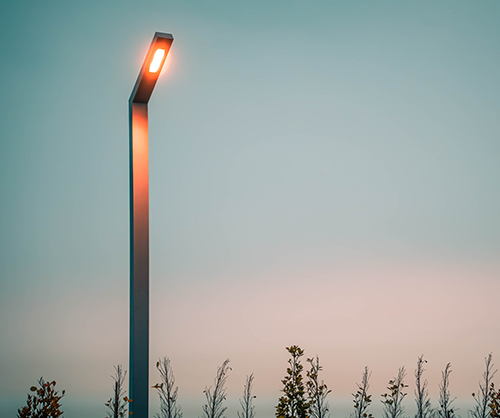
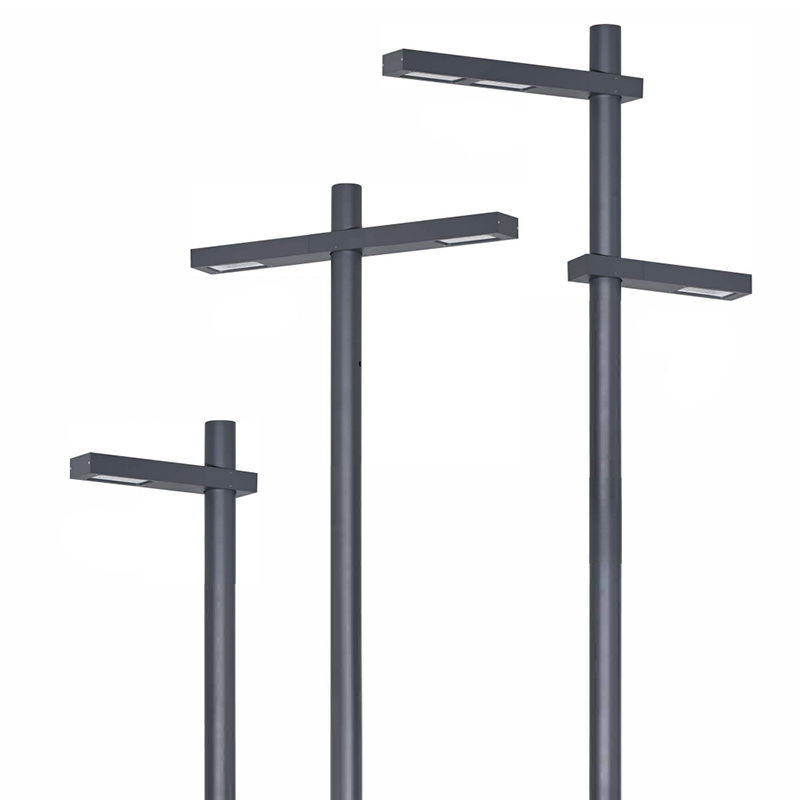
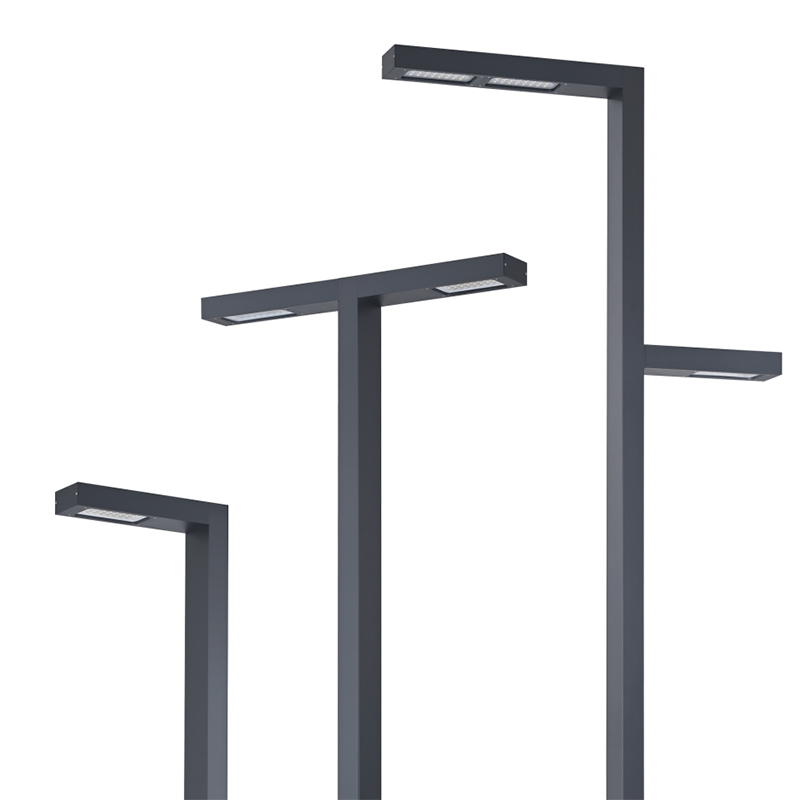
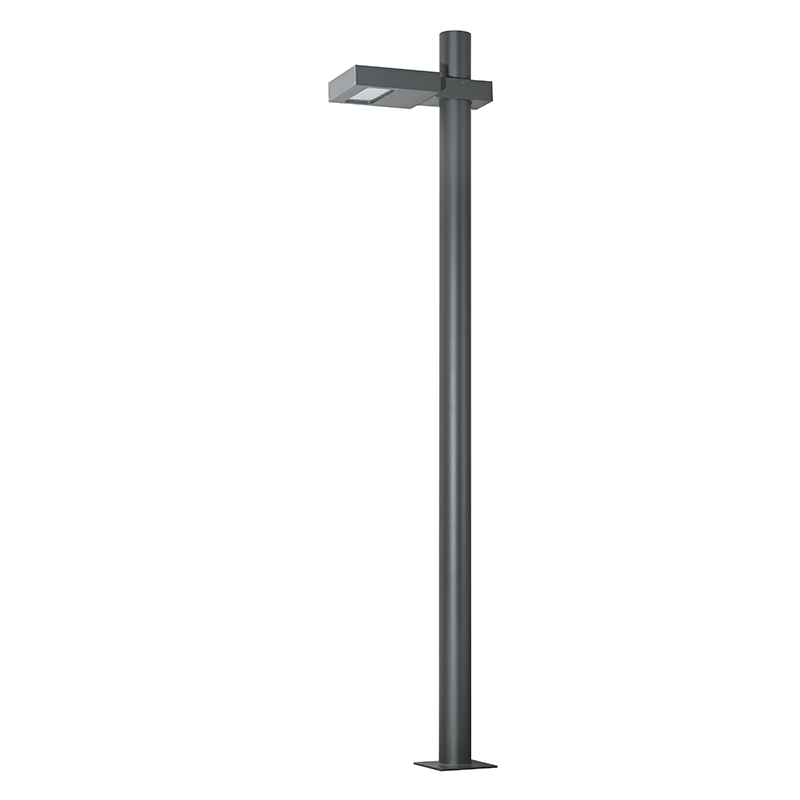
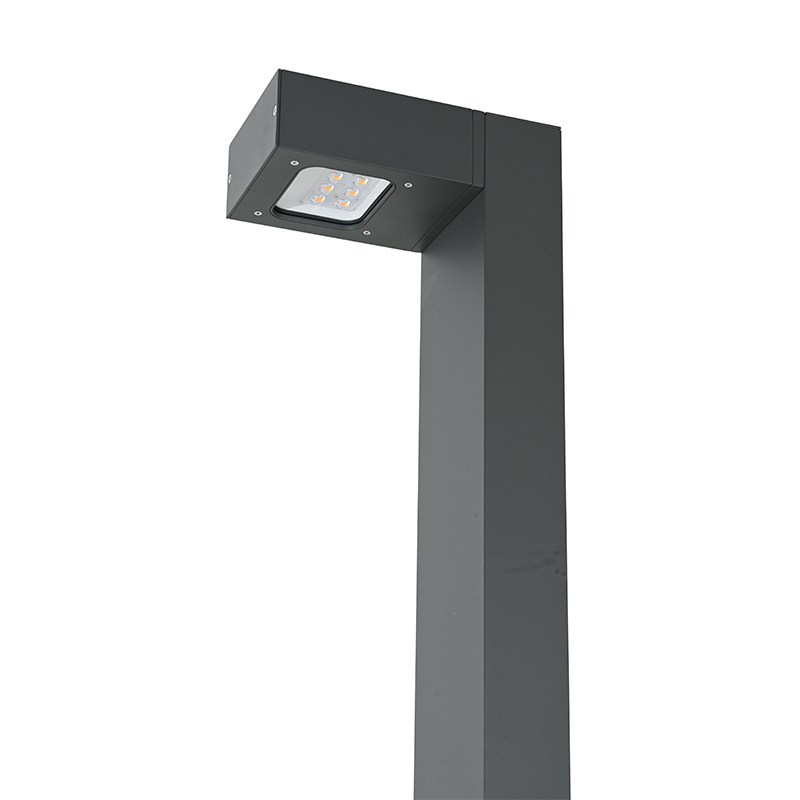
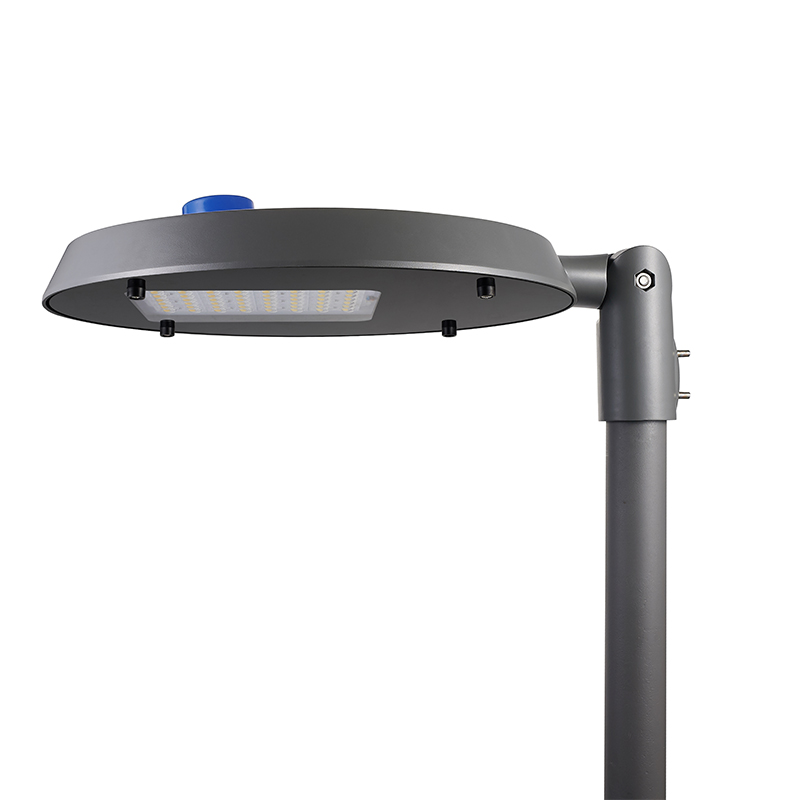
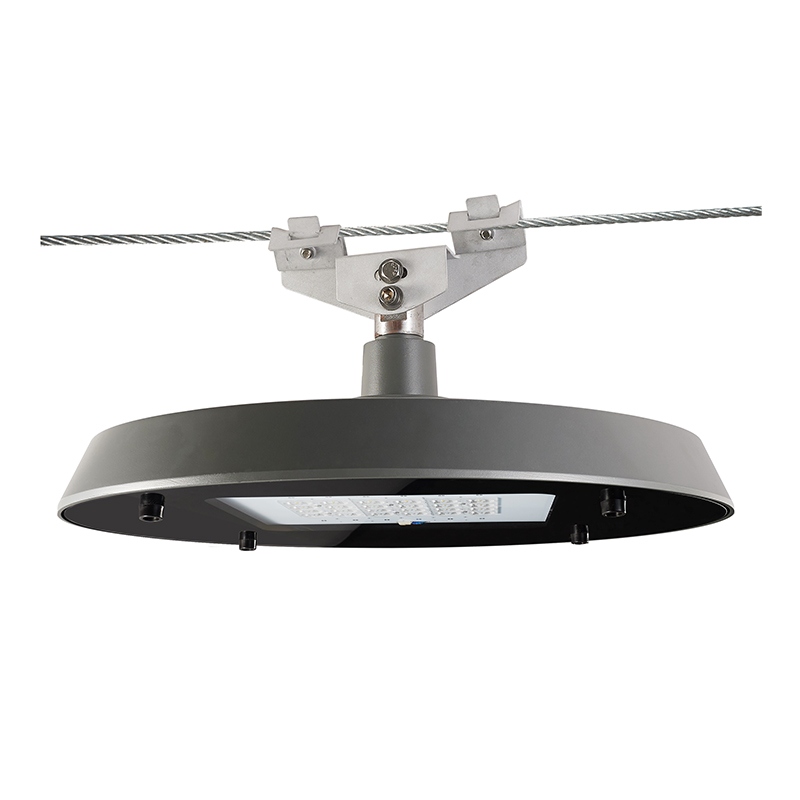
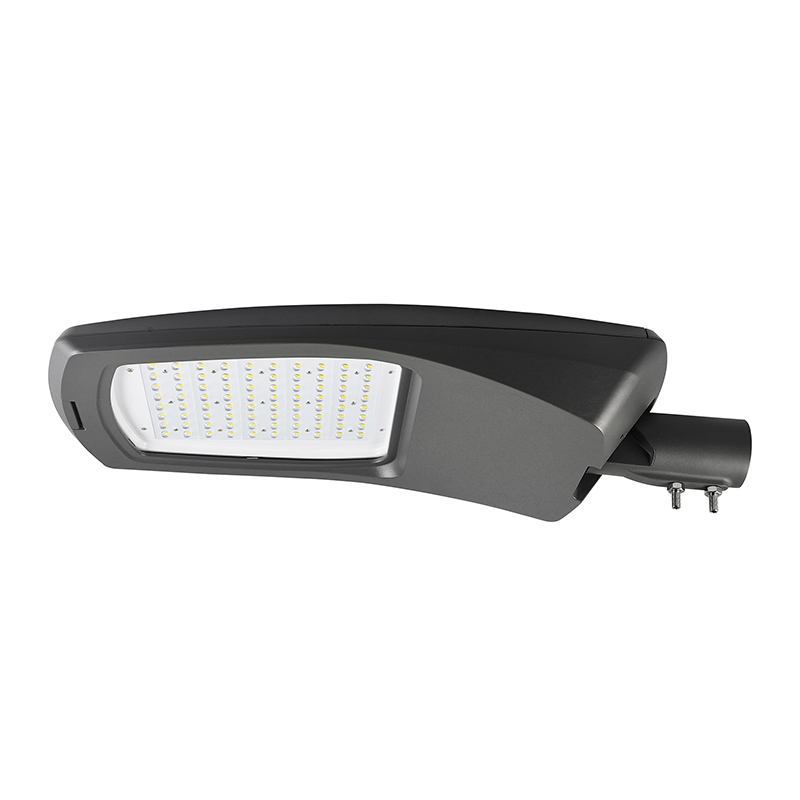
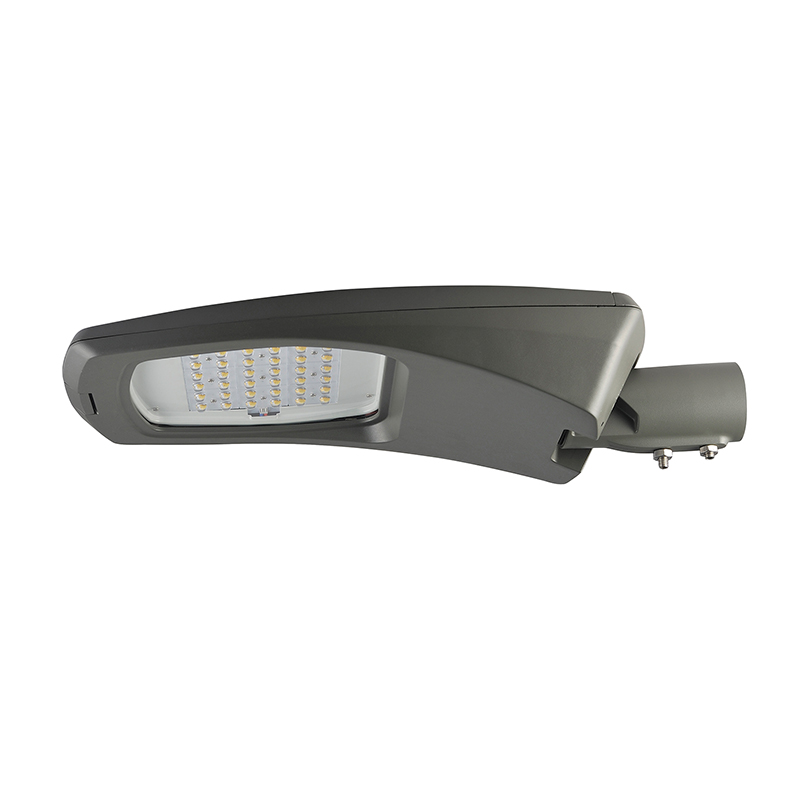
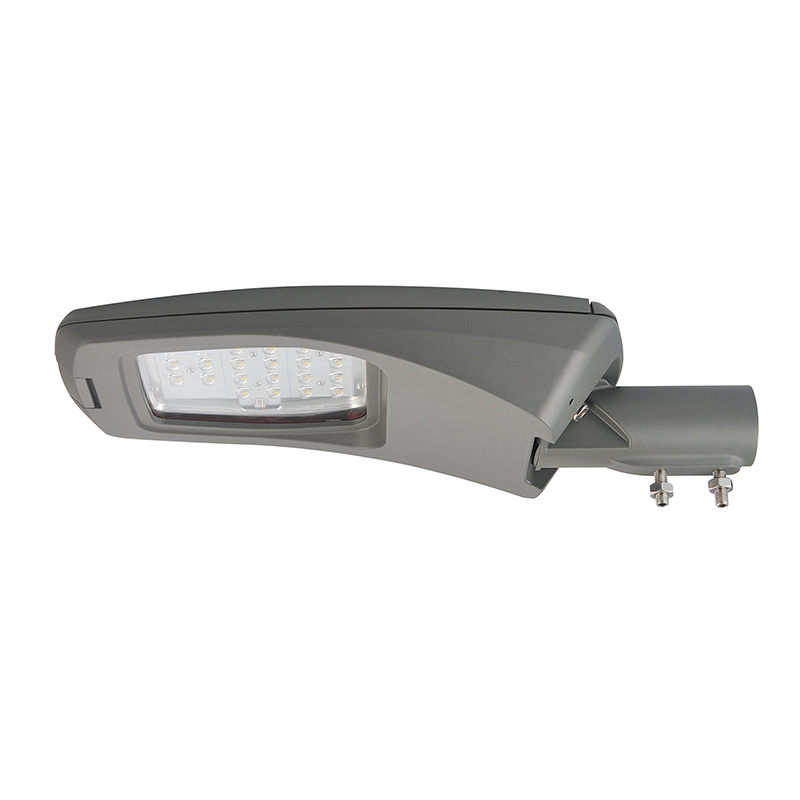
The street light series is specifically designed for large-scale transit areas such as urban main roads, secondary roads, township highways, and industrial park roads. Its core purpose is to provide efficient, stable, and uniform wide-area illumination to ensure the safety of vehicles and pedestrians at night.
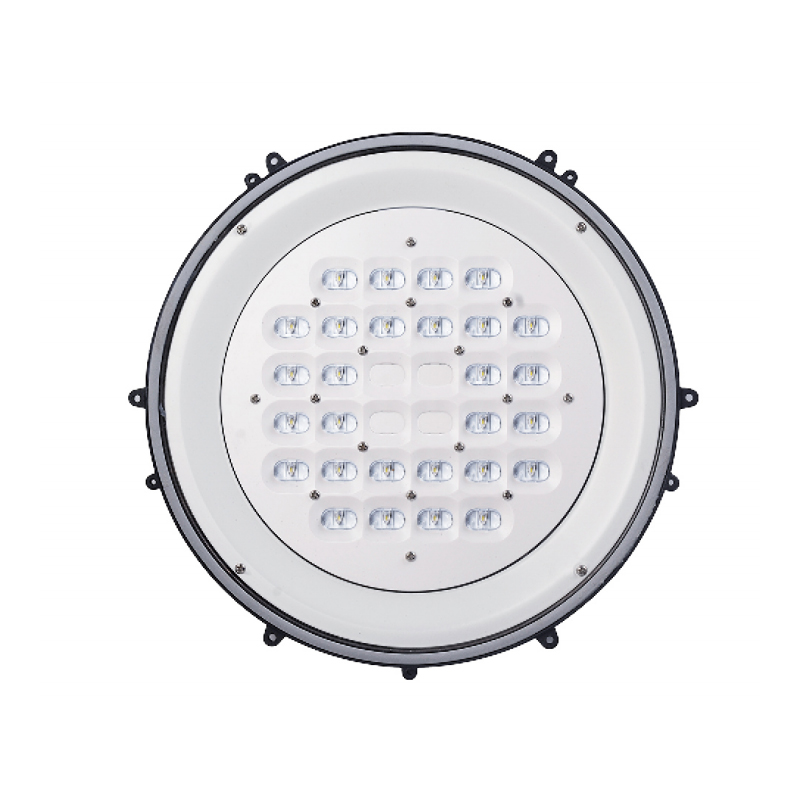
1. The products utilize high-power, high-efficacy Philips/Ledstar 5050 LED light sources, featuring core performance attributes such as high luminous efficacy (≥ 135lm/W), high color rendering, and low lumen depreciation. This effectively improves road surface illumination uniformity and reduces dark spots.
2. A core highlight is the significant energy-saving effect, which can reduce energy consumption by more than 60% compared to traditional high-pressure sodium lamps;
3. Equipped with an IP66 high protection rating, these lights are windproof, rainproof, and dustproof, making them adaptable to harsh outdoor environments;
4. Optional smart control interfaces including DALI, 0–10V, PWM and 4DI, enabling remote monitoring, dimming control and fault alarm functions, ideal for municipal lighting and park management systems.
5. The lamp structure is robust, corrosion-resistant, and anti-aging, ensuring a long service life and reducing long-term maintenance costs.




What is the purpose of installing Wall Lighting? Wall lighting serves four primary purposes: functional illumination, safety enhancement, architectur...
READ MOREWhat is Solar Lighting? Solar lighting is a self-contained, off-grid lighting system that converts sunlight into electricity using photovoltaic (PV) ...
READ MOREWhat is an LED Module? An LED module is a self-contained, pre-assembled light-emitting unit built around one or more LED chips mounted on a substrate...
READ MOREThe subdivision of outdoor lighting scenarios drives the upgrading of the LED outdoor lighting product matrix, which covers diverse categories, includ...
READ MOREIndustry reports indicate that, driven by technological upgrades, policy support, and smart city construction, the LED outdoor lighting market has mai...
READ MOREStreet lighting is the foundational infrastructure of nighttime urban safety. Across urban main roads, secondary arterials, township highways, and industrial park roads, luminaires must provide efficient, stable, and uniform wide-area illumination that enables drivers to detect hazards at distance and pedestrians to move confidently after dark. A failure in any of these three dimensions — efficiency, stability, or uniformity — directly translates into elevated accident risk, increased energy expenditure, or escalating maintenance costs for the operating authority.
The global transition from high-pressure sodium (HPS) and metal halide sources to LED street lighting has been the most significant technology shift in public lighting in a generation. Modern LED street lights deliver documented energy savings exceeding 60% versus traditional HPS equivalents, with simultaneously improved photometric performance, dramatically extended service life, and the control system flexibility required for integration into smart city infrastructure. For any municipality, highway authority, or industrial park operator evaluating new installations or retrofit programs, understanding the full performance specification of LED street lighting is essential to making sound procurement decisions.
A LED street luminaire is an integrated system in which every component must perform reliably across decades of continuous outdoor operation. Understanding the function of each subsystem helps specifiers and procurement officers evaluate product quality beyond surface-level datasheet comparisons.
High-performance street lighting luminaires use high-power SMD LED arrays mounted on thermally conductive aluminium circuit boards. The LED array converts electrical energy directly into light — a fundamentally more efficient process than the thermal radiation and gas discharge mechanisms of legacy sources. Quality street lighting LED arrays achieve luminous efficacies of ≥ 135 lm/W at the module level, with Color Rendering Index values of CRI ≥ 70 as the minimum for road lighting and CRI ≥ 80 recommended for pedestrian-priority zones where accurate color perception supports personal safety and CCTV performance.
The optical assembly shapes the LED array's output into a precisely controlled photometric distribution matched to the road geometry and mounting configuration. Type II and Type III asymmetric distributions are standard for single-sided and staggered dual-sided road mounting arrangements respectively. A critical optical design requirement — particularly relevant to the specification of anti glare LED post top light formats used on residential roads and pedestrian-priority routes — is glare limitation. Excessive glare reduces driver visibility, causes pedestrian discomfort, and is penalized under road lighting standards. Quality street luminaires achieve Threshold Increment (TI) values below 10% and Glare Rating (GR) values below 45 through careful optical shielding, secondary lens geometry, and LED array arrangement that prevents direct sightline to the bare LED chips from normal viewing angles.
The constant-current LED driver is the component most responsible for long-term luminaire reliability. It converts mains AC supply to the regulated DC current required by the LED array, protecting the LEDs from voltage transients, over-temperature conditions, and supply irregularities. Quality street lighting drivers maintain a power factor of ≥ 0.95 and total harmonic distortion (THD) below 10% across the full operating range — important for large municipal networks where poor power quality across thousands of luminaires creates measurable grid loading issues. Driver operating temperature range of -40°C to +70°C ensures reliable performance across all global climate zones.
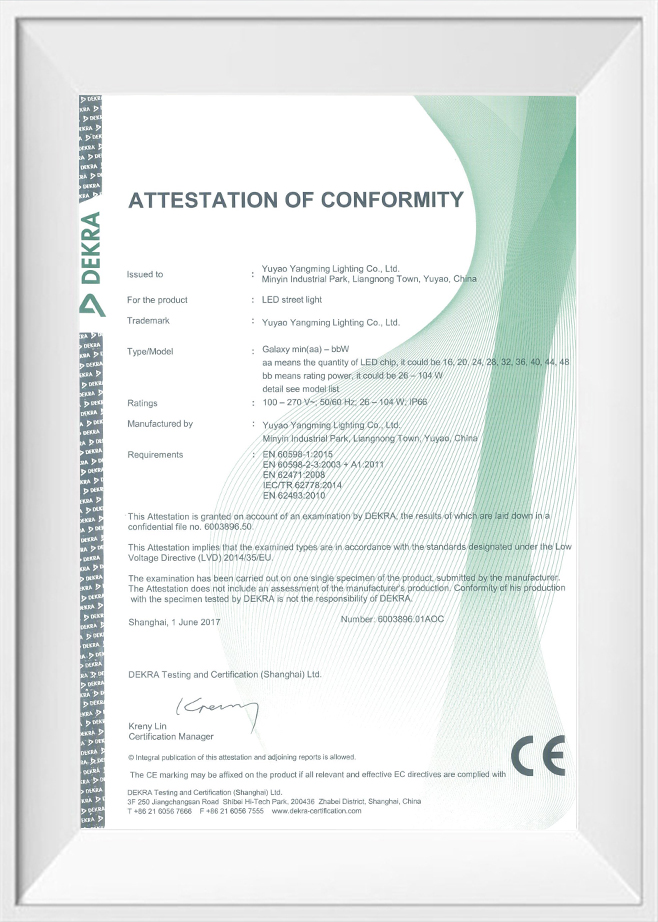
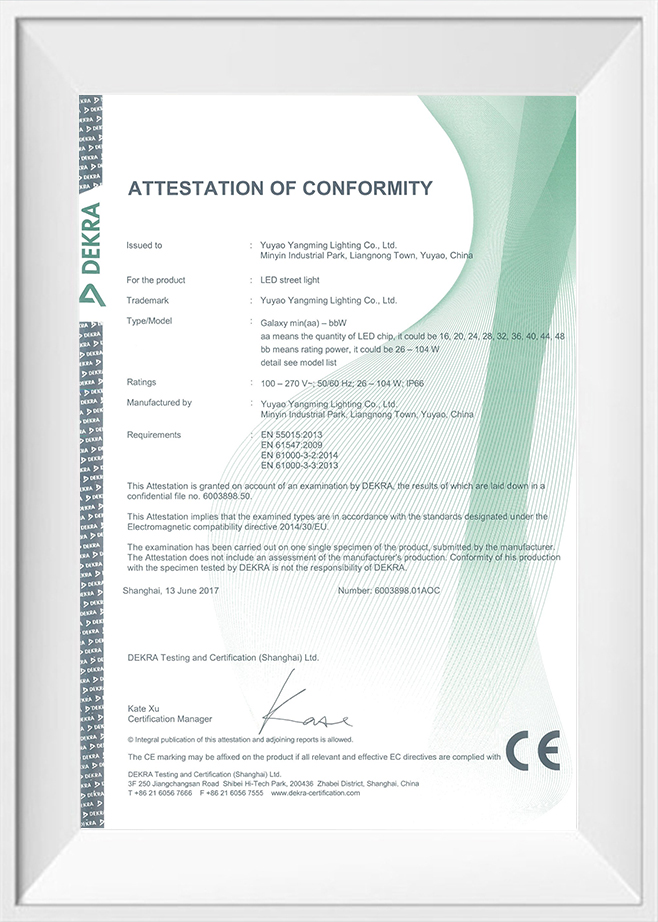
Street luminaire housings are die-cast from low-silicon aluminium alloy — a material that combines the corrosion resistance and light weight needed for elevated mounting with the thermal conductivity required to dissipate LED junction heat effectively. Heat fins on the upper housing surface maximize convective cooling, maintaining LED junction temperatures well below the 85°C threshold above which lumen depreciation accelerates significantly. The complete assembly achieves an IP66 ingress protection rating — full dust exclusion and resistance to powerful water jets from any direction — essential for luminaires that must operate continuously through rain, wind, road spray, and pressure-wash maintenance cycles without water infiltrating the driver or LED compartment.
The energy efficiency advantage of LED street lighting over legacy HPS technology is the primary financial driver of the global retrofit market — and the figures are consistently compelling across every deployment context.
A 150 W HPS street light — a common specification for secondary urban roads — produces approximately 13,500 lm of raw lamp output but delivers only around 10,000–11,000 lm to the road surface after optical and gear losses. A modern LED replacement achieving ≥ 135 lm/W delivers equivalent road surface illuminance at 60–70 W, representing an energy saving of 53–60% per luminaire. For a municipal network of 10,000 street lights operating an average of 4,000 hours per year at an electricity cost of $0.12/kWh, this translates to an annual energy cost saving of approximately $3.6–4.8 million.
The combination of LED efficiency with smart dimming control delivers a further 20–35% energy reduction beyond the base LED saving. Standard adaptive dimming profiles reduce output to 50–70% between midnight and 05:00 when traffic volumes are minimal, while maintaining full output during peak evening and morning commuting hours. Motion-triggered full-brightness response for detected vehicles and pedestrians ensures safety is not compromised during reduced-output periods. Across a full annual operating cycle, combined LED efficiency and adaptive dimming routinely achieves total energy reductions of 70–80% versus the original HPS baseline.
| Technology | Typical Wattage (secondary road) | Annual kWh (4,000 hrs) | Saving vs. HPS |
|---|---|---|---|
| High-Pressure Sodium (HPS) | 150 W | 600 kWh | Baseline |
| LED (fixed output) | 60–70 W | 240–280 kWh | ~53–60% |
| LED + adaptive dimming | Avg. 42–52 W | 168–208 kWh | ~65–72% |
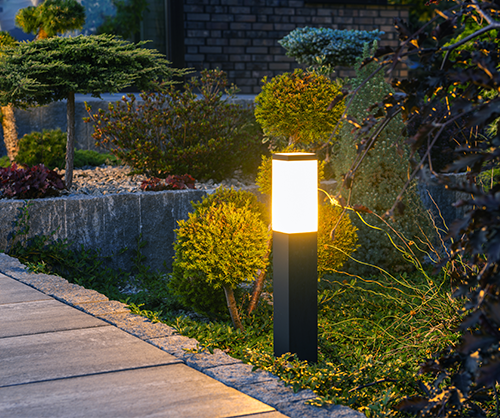
The anti glare LED post top light is a specific luminaire format increasingly specified for residential streets, urban boulevard planting strips, pedestrian-priority zones, and mixed-use developments where visual comfort is as important as functional road illuminance. Unlike the projecting arm-mounted cobra-head format standard on major roads, the post top format mounts the luminaire directly on the pole crown — producing a more compact, architecturally discreet appearance while distributing light in a wide, symmetric pattern around the pole base.
Effective anti glare performance in LED post top lights is achieved through a combination of optical and mechanical strategies working together. A frosted or prismatic outer diffuser conceals the LED array from direct view while maintaining high optical efficiency. Secondary refractor lenses redirect light toward the road surface rather than allowing it to escape horizontally at eye level. Internal glare shields — physical barriers positioned between the LED array and the horizontal viewing angle — intercept light rays that would otherwise produce discomfort glare for approaching pedestrians and drivers.
Quality anti glare LED post top lights achieve Unified Glare Rating (UGR) values below 19 and maintain Threshold Increment (TI) values below 10% — the performance thresholds required by EN 13201 for pedestrian-classified P-series road categories. These metrics should be included as mandatory pass/fail criteria in any tender specification street lighting supplier evaluation process for residential and mixed-use road projects.
Smart control capability is now a standard expectation rather than an optional add-on in municipal street lighting procurement. Modern LED street lights support multiple control interfaces that enable integration with both legacy dimming infrastructure and advanced smart city management platforms.
DALI-2 is the most sophisticated control protocol available in LED street lighting. It enables individual luminaire addressing, two-way communication, real-time energy metering, fault status reporting, and precise stepless dimming from 1–100% output. Each luminaire on a DALI network has a unique address, allowing individual control of any single luminaire or any defined group without affecting others on the same circuit. For large municipal networks, DALI-2 compatible luminaires feed data continuously to central management software, enabling predictive maintenance scheduling based on actual luminaire performance data rather than calendar-based replacement cycles.
The 0–10V analog interface is the most widely deployed dimming protocol in existing municipal infrastructure. A control voltage of 10V corresponds to full output; reducing the control signal to 0V reduces luminaire output to its minimum dim level (typically 10–20% of rated output). 0–10V control is simple, reliable, and compatible with the widest range of central management and time-switching equipment — making it the preferred interface for retrofit projects where compatibility with existing control cabling is a priority.
PWM (Pulse Width Modulation) dimming varies the duty cycle of a digital switching signal to control LED output — a method that maintains consistent color temperature across the dimming range and avoids the minimum-threshold limitations of analog 0–10V control. The 4DI (4-step dimming input) interface accepts a simple digital input signal that switches the luminaire between four pre-programmed output levels — full output, and three reduced levels typically set at 75%, 50%, and 25% of rated wattage. The 4DI interface is particularly suited to township and industrial park road applications where a simple timer-based dimming schedule provides most of the energy benefit of adaptive control without the complexity and cost of a networked management system.
| Interface | Dimming Resolution | Two-Way Communication | Best Application |
|---|---|---|---|
| DALI-2 | Stepless 1–100% | Yes (energy metering, fault data) | Large municipal networks, smart city integration |
| 0–10V | Analog, ~10–100% | No | Retrofit projects, existing control infrastructure |
| PWM | Stepless, consistent CCT | No | Color-critical applications, premium residential |
| 4DI | 4 preset levels | No | Township roads, industrial parks, simple schedules |
For public authorities and project developers issuing competitive tenders for street lighting supply, the specification document is the primary tool for ensuring that submitted products meet the performance, quality, and compliance requirements of the project. A well-constructed tender specification street lighting supplier evaluation framework goes beyond wattage and lumen output to require documented evidence of real-world performance across every critical dimension.
| Parameter | Minimum Requirement | Evidence Required |
|---|---|---|
| Luminaire efficacy | ≥ 130 lm/W | Accredited photometric test report |
| L70 lifespan | ≥ 50,000 hours | LM-80 + TM-21 projection |
| Ingress protection | IP66 | Third-party IP test certificate |
| Power factor | ≥ 0.95 | Driver datasheet or EMC test report |
| Color rendering | CRI ≥ 70 (road); ≥ 80 (pedestrian) | Spectroradiometer test report |
| Surge protection | ≥ 10 kV (line-to-ground) | IEC 61000-4-5 test certificate |
| Operating temperature | -40°C to +50°C ambient | Datasheet specification or thermal test |
| Warranty period | ≥ 5 years full product | Written warranty terms with scope definition |
A street luminaire must survive decades of continuous outdoor exposure with minimal maintenance intervention. Structural durability is therefore not a secondary consideration but a primary specification requirement — particularly for installations in coastal regions, industrial corridors, or areas with high atmospheric pollutant loading.
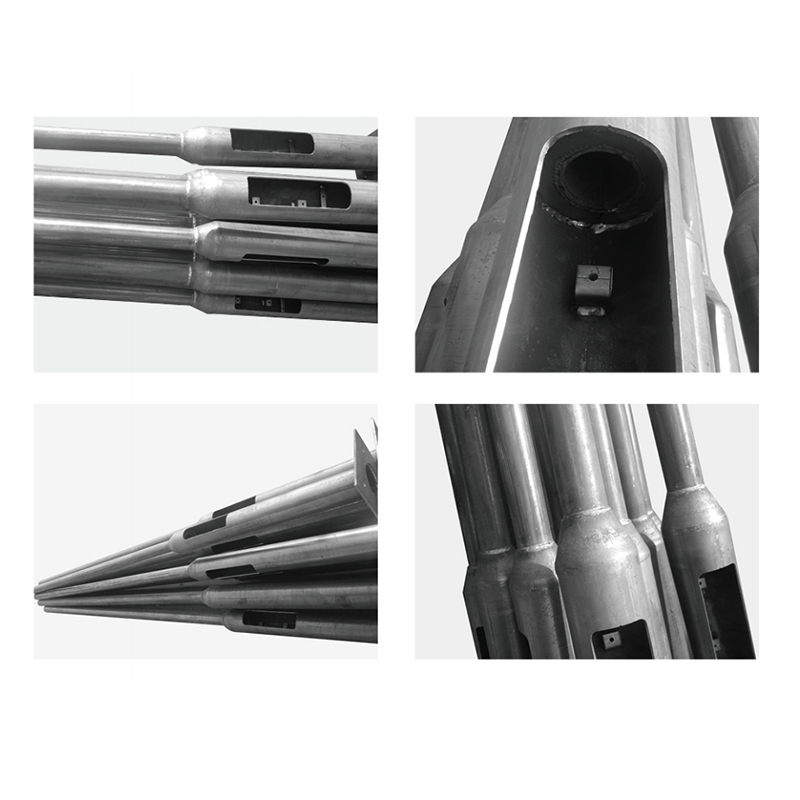
Quality street light housings use die-cast ADC12 aluminium alloy — a specification that balances castability, dimensional stability, and corrosion resistance. The housing is finished with a thermosetting powder-coat paint system applied over a chromate conversion primer, achieving a minimum dry film thickness of 60–80 µm. This system passes 1,000-hour neutral salt spray testing to ASTM B117 with no blistering, flaking, or substrate corrosion — the standard test protocol used to simulate coastal and industrial atmospheric exposure. For installations within 500 m of the ocean or in heavy industrial environments, a marine-grade powder system with a minimum 80 µm dry film thickness over hot-dip zinc priming is specified.
Street luminaires mounted on poles at heights of 6–12 m are exposed to substantial wind loads in storm conditions. The luminaire housing must be designed to withstand wind speeds appropriate for the installation region — in most territories, this requires demonstrated compliance with local wind load standards at the maximum installation height and outreach arm length specified. Luminaire projected areas and drag coefficients should be stated in the product datasheet to enable structural engineers to verify pole and foundation design for each specific project configuration.
A 250 W HPS lamp produces approximately 22,500 lm of raw lamp output but delivers around 16,000–18,000 lm to the road surface after luminaire optical losses. An LED street light achieving ≥ 135 lm/W delivers equivalent or superior road surface illuminance at 80–100 W — a direct energy saving of 60–68% per luminaire. The exact LED wattage required depends on the mounting height, pole spacing, and road class illuminance target; a DIALux photometric simulation using the specific LED luminaire's IES file is the correct method for confirming compliance rather than relying on nominal wattage equivalences.
Lightning-induced voltage surges are one of the most common causes of premature driver failure in road-mounted street lights. A single lightning strike within several hundred meters of a lighting circuit can generate transient voltages of 5–20 kV on the supply cable — far exceeding the input voltage tolerance of an unprotected LED driver. Quality street lighting drivers incorporate integral surge protection devices rated to ≥ 10 kV line-to-ground and ≥ 6 kV line-to-line per IEC 61000-4-5. In high-lightning-incidence regions, specifying 20 kV surge protection as a minimum requirement in the tender specification is strongly advisable.
Based on documented energy savings of 60% per luminaire, reduced lamp replacement cycles (LED: 10–15 years vs. HPS: 2–3 years), and reduced maintenance call-outs due to lower failure rates, most municipal LED street lighting retrofits achieve a simple payback period of 3–5 years at current electricity prices. With smart dimming control delivering an additional 20–35% energy reduction and utility energy efficiency incentive programs available in many jurisdictions, payback periods below 3 years are achievable — a compelling financial case for any operator with a large legacy HPS network.
In many retrofit programs, existing poles can be retained, reducing civil works costs significantly. The suitability of existing poles for reuse depends on their structural condition, the wind load rating of the original installation relative to the new LED luminaire's projected area, and compatibility of the existing cable entry and spigot dimensions with the replacement luminaire. A structural survey of existing poles is recommended before confirming a reuse strategy — poles showing corrosion at the base section, visible deformation, or unknown structural history should be replaced rather than reused regardless of the cost saving that reuse would provide.
 Private Industrial Park, Liangnong Town, Yuyao City, Ningbo City, Zhejiang Province, China
 +86-13486062091
 +86-574-2222 2345
 +86-574-2267 2345
 info@ym-lighting.com
