Sep, 04, 2026
When you compare outdoor lighting fixtures for a landscaping project, CRI is one of the first numbers you will see on the spec sheet. It tells you how faithfully a bulb reproduces the colors of the objects it illuminates. A CRI of 80 may look acceptable in a warehouse, but the same fixture can make a garden maple leaf appear dull and brown. The practical conclusion is simple: for outdoor lighting, CRI is not a single universal value. You need to choose the bulb color rendering index that matches your application, target materials, and the visual impression you want to create.
Content
The Color Rendering Index (CRI) is a scale from 0 to 100 that describes how accurately a light source renders colors compared to a reference light. The reference is a blackbody radiator for warm color temperatures, and daylight for cooler color temperatures. To calculate CRI, manufacturers test the light source against a set of standardized color samples and give each sample an individual score. The reported CRI is the average of the first eight samples, which is why a single number can hide specific defects in red rendering.
| Light source | Typical CRI range |
|---|---|
| Low-pressure sodium | 0 or negative |
| High-pressure sodium | 20 to 30 |
| Standard fluorescent | 50 to 80 |
| Basic LED | 70 to 85 |
| High-quality LED | 85 to 95 |
| Halogen | 95 to 99 |
| Incandescent | 100 |
As the table shows, LED bulbs cover a very wide range. The difference between a basic LED and a high-quality LED can be the difference between a dull landscape and one that looks natural. Low-pressure and high-pressure sodium lamps, common in older street lighting, have especially poor color rendering. That is why many municipalities are replacing them with LED fixtures that offer better light quality while still achieving energy savings.
When shopping for outdoor bulbs, you will often see CRI 80, CRI 90, or CRI 95. These numbers are not just labels. They affect your perception of bricks, plant life, and architectural details. The chart below compares typical CRI levels across different bulb types, so you can get a sense of where your fixtures stand.
The chart shows why bulb color rendering index is not a fixed attribute of a technology. Inside the LED category, the spread between a basic 80 CRI bulb and a high-quality 90 CRI fixture corresponds to a visible difference in how greens and reds appear. Incandescent and halogen lamps yield near-perfect rendering, but they waste a lot of energy. High-pressure sodium lamps, common in older street lamps, have a CRI around 25, which is why they make asphalt and cars look monochromatic. For outdoor lighting projects, a CRI of 80 can work for utilitarian areas, but a CRI of 90 or above is usually better for gardens, pathways, and architectural details. These differences matter most when the fixture also serves as a design element rather than only a source of light.
High CRI is especially important in outdoor spaces because the eye constantly compares the lit surface with natural daylight. If a path light makes hedge leaves look olive instead of green, the whole landscape loses its intended character. The recommended CRI depends on the purpose of the space. The chart below shows common recommendations for different outdoor applications.
These figures are not strict standards; they are practical starting points based on how people perceive color outdoors. Road lighting can often tolerate a CRI of 70 because drivers mainly need luminance and contrast. Path and landscape lighting benefit from a CRI of 80 to 90, since the eye is close to the plants and pathways. Residential courtyards and commercial landscape projects usually look best with CRI 90 or above, because the lighting is a major part of the experience. Museum and gallery installations demand the highest values, but they also require careful optical control to avoid glare and shadow. When you specify a fixture for a project, the CRI should be selected together with the lumen output and the beam angle.
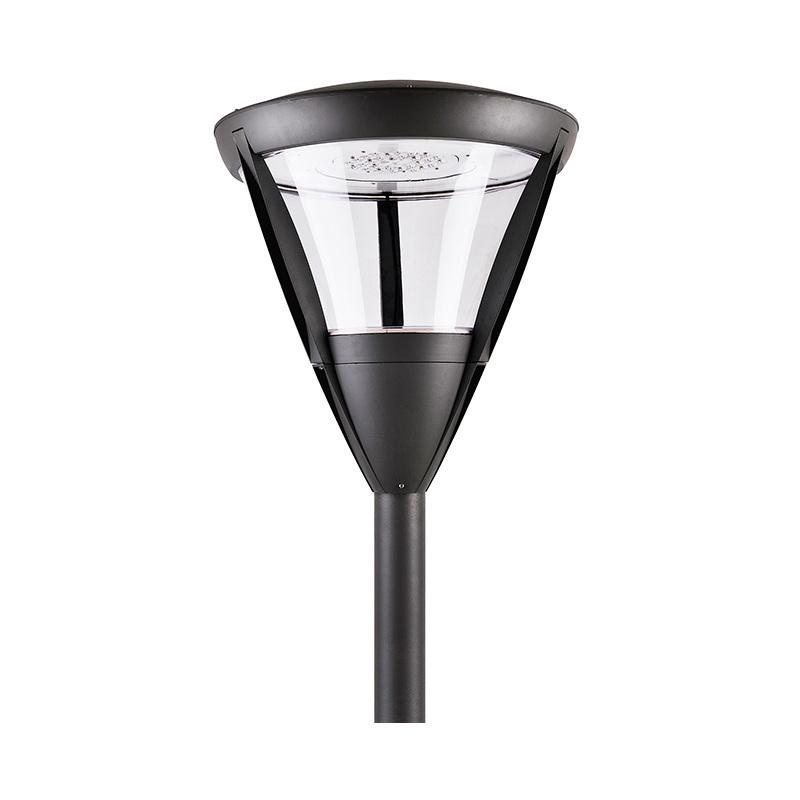
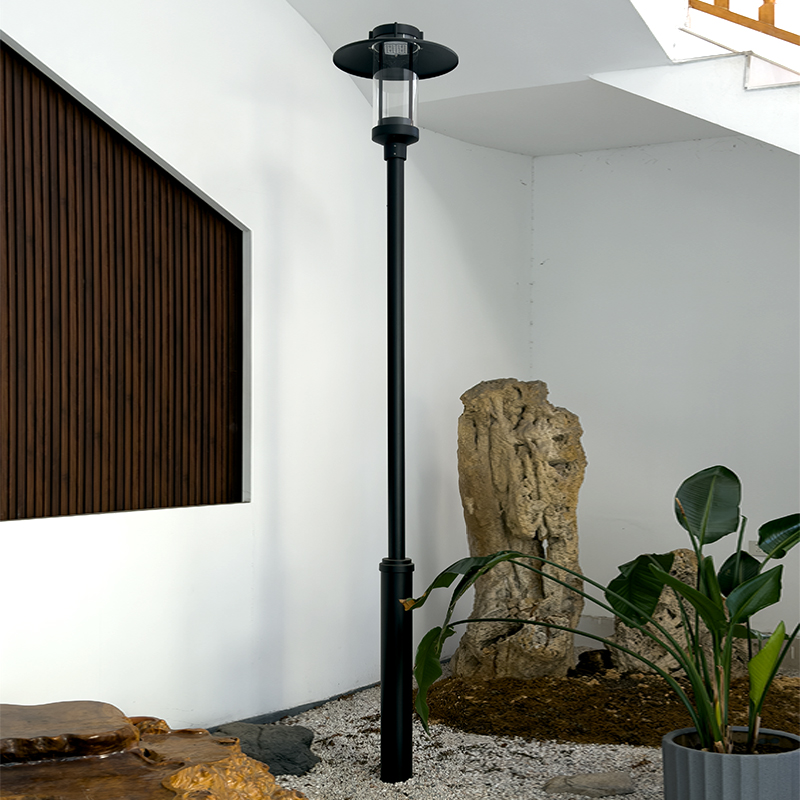 Outdoor LED Garden Light with Smart Zhaga Socket and High CRI OptionYMLED-6107 combines die-cast aluminum construction, IP66 rating, and a Zhaga/NEMA interface for smart control. Its optical-grade PMMA diffuser ensures uniform, glare-free light, making it a strong choice for landscape projects that demand both durability and high color rendering.View Product →
CRI is an average, but a specific color can still be poorly rendered. R9 is the individual score for the deep red test sample, and it is particularly important for red flowers, brick facades, and skin tones. A product can have a CRI of 90 while R9 is only 20, which means reds will appear muted even though the overall average looks good. The radar chart below compares a standard LED and a high-CRI LED across four color quality metrics: average CRI, R9, Gamut Area Index (GAI), and Color Quality Scale (CQS). The high-CRI module is not only higher in CRI, but it also maintains a much stronger R9, which produces richer reds and warmer textures.
The radar chart makes the limitation of an average CRI visible. The standard LED has a high GAI and an average CRI of 80, but its R9 falls to 20 because the phosphor blend does not produce enough deep red energy. The high-CRI LED sacrifices a little in GAI but pushes R9 to 90, which makes a red brick wall look warm and a person’s face look alive. For outdoor lighting, R9 is often the hidden differentiator between fixtures with similar CRI values. When you request a product specification, always ask for the R9 value or the complete R1 to R15 report. This prevents the unpleasant surprise of muted reds after the installation is complete.
Color temperature, expressed in Kelvin (K), measures whether a light looks warm or cool. CRI measures color fidelity, not the physical warmth of the light. A 3000K fixture can have a CRI of 95, and a 6000K fixture can also have a CRI of 95. However, many LED modules show a slight decline in CRI as the color temperature increases. The line chart below illustrates an example of how CRI changes across common color temperatures for a typical high-quality LED module.
This chart represents a common pattern in LED design. As the color temperature moves from warm to cool, the CRI often dips because the light is produced with a different phosphor mix. The warm 2700K light tends to have the highest CRI, while the cool 6500K light may struggle to render all colors equally well. That is why you should never assume a cool white bulb is automatically better just because it looks brighter. For most outdoor landscape and path applications, warm to neutral color temperatures with high CRI are the safer choice. If you need a cool white fixture, verify both the CRI and the R9 before you commit.
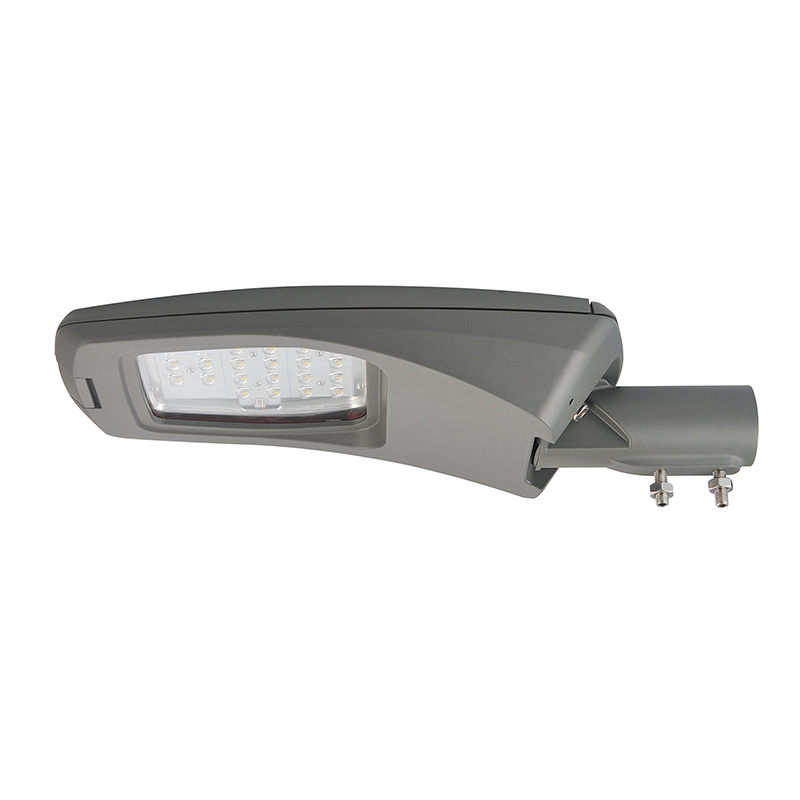
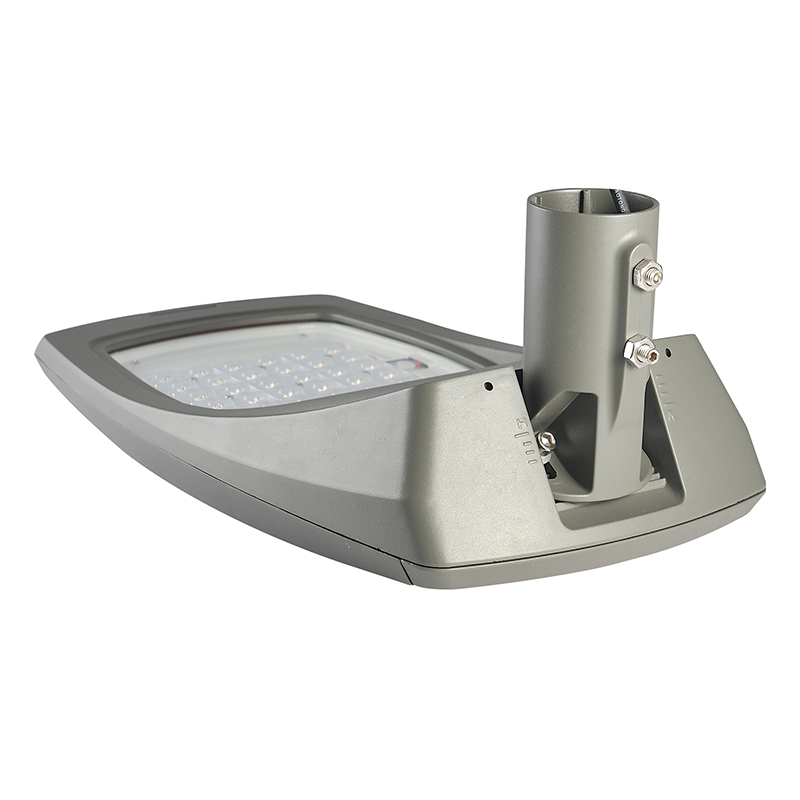 Waterproof IP66 LED Road Lamp with Adjustable CCT and Smart ControlYMLED-6408M is a cost-effective street light for side roads and park paths, featuring IP66/IK08 protection and a 50,000-hour lifespan. Its optional high CRI and R9 performance helps maintain color accuracy in outdoor environments, while dimming and sensor options support smart upgrades.View Product →
Selecting a bulb color rendering index is not a one-size-fits-all decision. Use the following checklist to avoid common mistakes:
When you work with a lighting supplier, request photometric files and a test report for the exact product model. You can also visit the FAQ page for more details on product standards, or read about our company and manufacturing capabilities to understand how we control light quality in production.
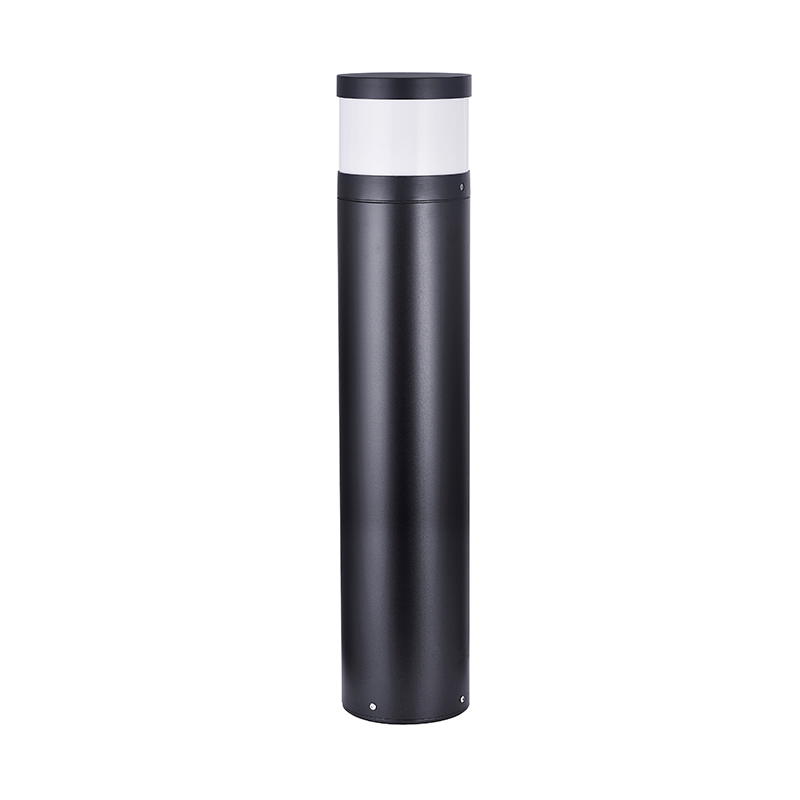
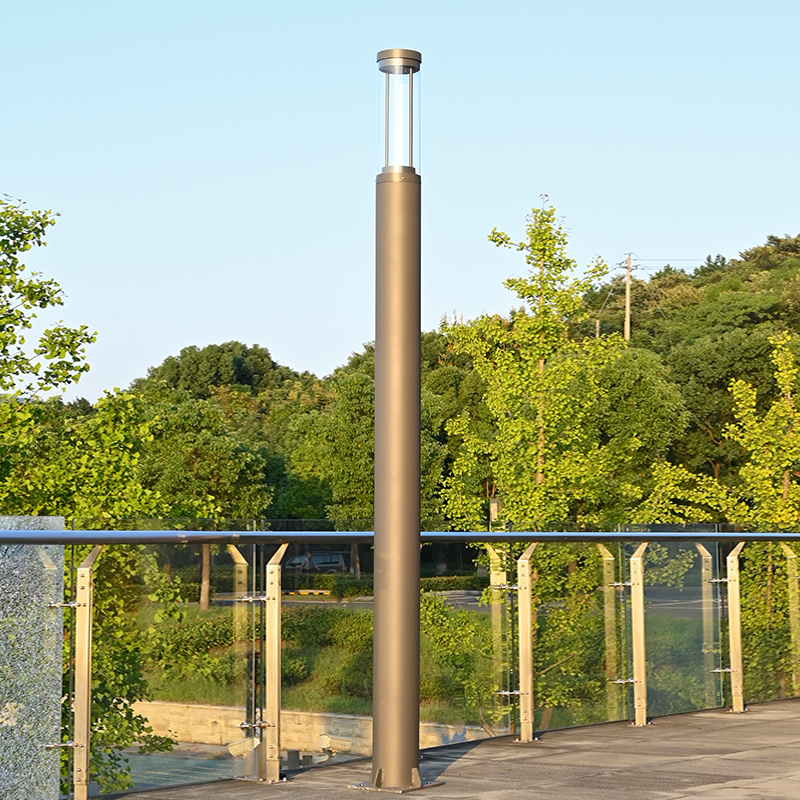 IP66 LED Pathway Light with Precision Optics and Surge ProtectionYMLED-6308 offers a robust die-cast aluminum head and pole, delivering uniform downlight with minimal light pollution. Its IP66/IK08 rating and optional 10kV surge protection ensure reliable performance in residential or park settings, with a CRI up to 80 for natural color appearance.View Product →
The bulb color rendering index is a useful metric, but it is only one part of the lighting quality puzzle. For outdoor installations, the best results come from selecting a CRI that fits the application, verifying the R9 value, and ensuring the fixture can deliver that performance in real-world conditions. High CRI should not be an abstract number on a datasheet. It should result in a visual experience where the greenery, stone, and people look the way they do under daylight. By prioritizing CRI and R9 together, you can avoid dull colors, reduce rework, and create outdoor spaces that feel both comfortable and professional.
Related Products
 Private Industrial Park, Liangnong Town, Yuyao City, Ningbo City, Zhejiang Province, China
 +86-13486062091
 +86-574-2222 2345
 +86-574-2267 2345
 info@ym-lighting.com


 English
 中文简体
中文简体