Oct, 30, 2026
A loading bay that goes dark at six in the evening, a side gate the office cannot see, a row of parking bays where the old sodium heads were replaced with whatever was left on the van. These are the situations that turn a simple purchase into a decision, and the answer is rarely the highest wattage fixture on the quotation sheet. It is the fixture whose beam pattern, sealing and control method match the job the light has been asked to do.
Here is the conclusion first: for most commercial, industrial and residential perimeter projects, a 20 W to 60 W LED wall light or post-top fixture with an asymmetric optic, IP65 or IP66 sealing, IK08 impact resistance and photocell or motion control will outperform a 150 W floodlight that pushes light over a boundary fence and into neighbouring windows. The sections below explain why, and what to write into a specification so the goods that arrive match the site survey.
Content
Security lighting covers at least four separate jobs: recognising a face at a door, watching a fence line, keeping a car park usable after dark, and giving a camera enough light to produce a clean image. Each job has its own mounting height, beam shape and rating target, so one fixture model rarely serves all of them well.
| Where the light goes | Fixture type | Mounting height | Rating target | Typical control |
|---|---|---|---|---|
| Doors, gates, loading bays | Wall light with asymmetric downlight optic | 2.5 m to 4 m | IP65, IK08 | Photocell plus motion sensor |
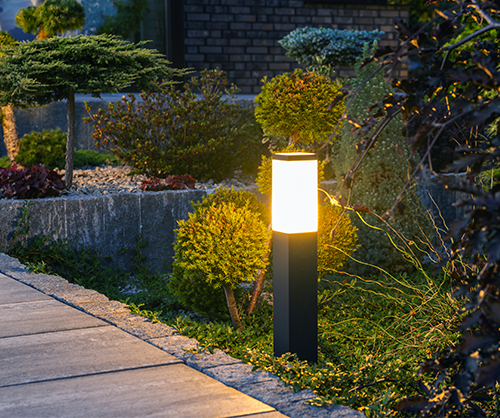
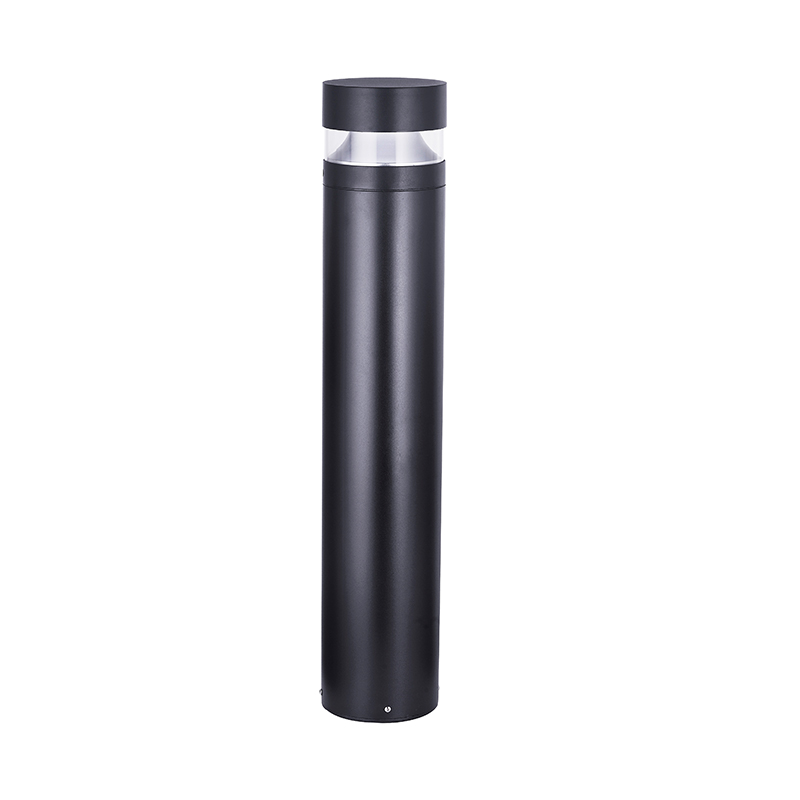
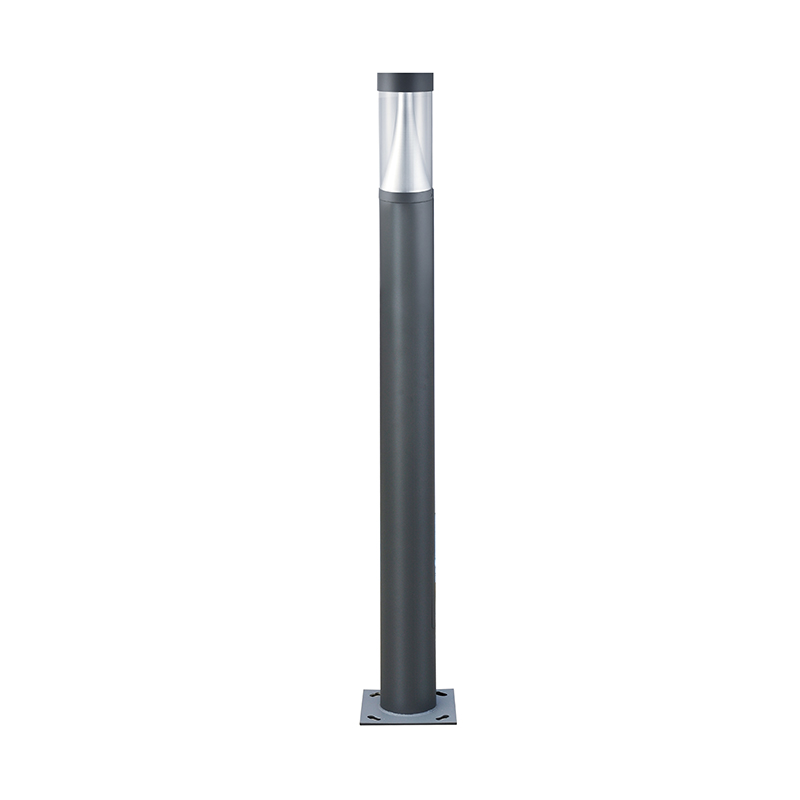
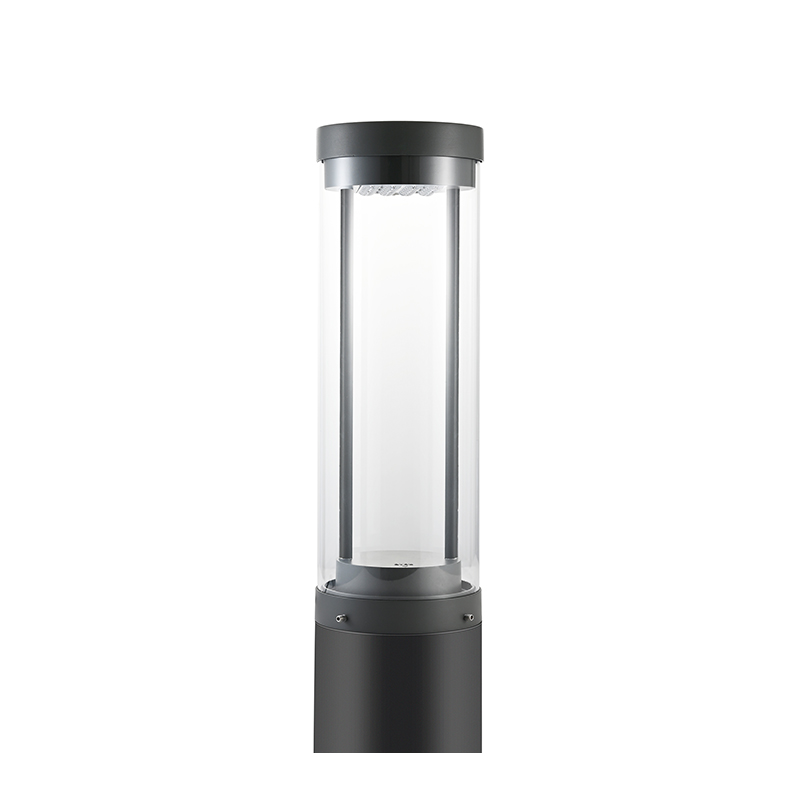
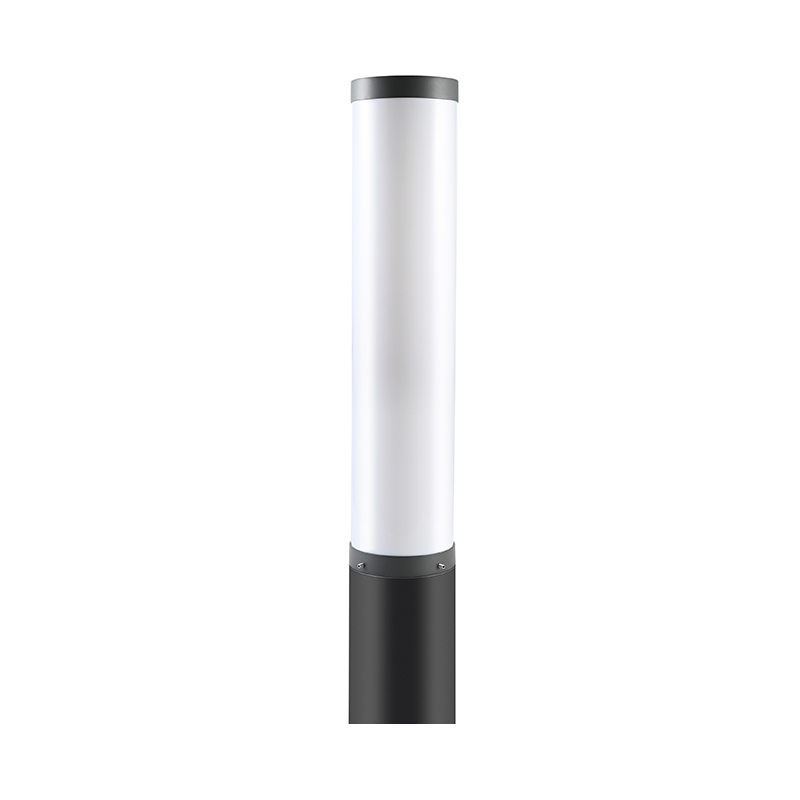
| Walkways, steps, bike paths | Bollard or footpath light | 0.6 m to 1.0 m | IP65 or IP66 | Timer or photocell |
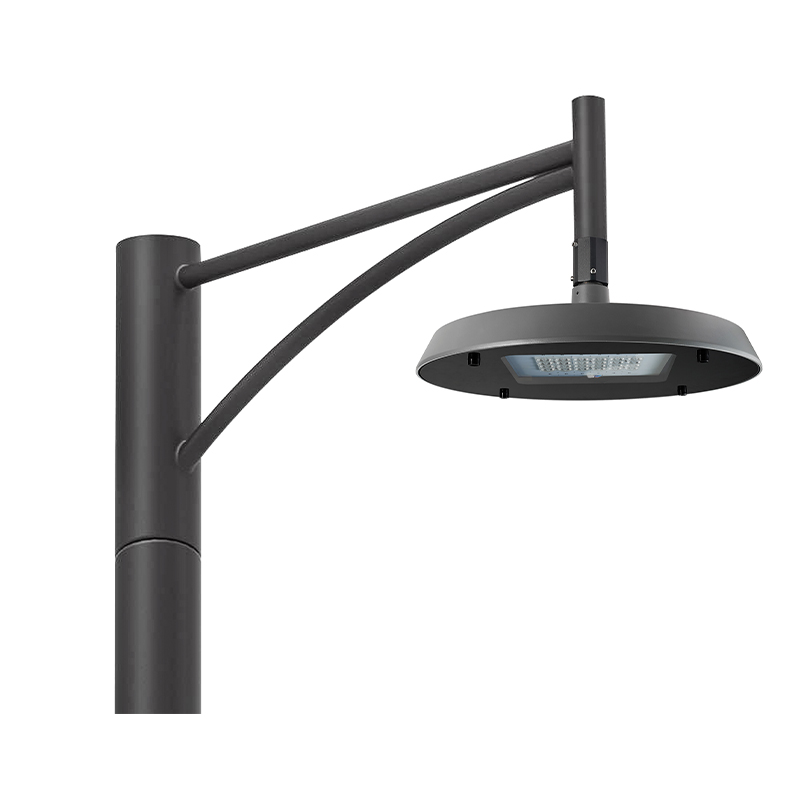
| Car parks, access roads | Street light or post-top lantern | 6 m to 9 m | IP66, IK09 | Photocell, NEMA or Zhaga socket |
| Remote fence lines without mains | Solar street light or solar mast light | 5 m to 8 m | IP65 | Integrated controller |
| Rear alleys and facades | Wall light with narrow beam | 3 m to 6 m | IP65 | Motion sensor |
A 30 W wall light aimed with a proper cut-off can render a doorway better than a 100 W unit that sprays light in every direction. Wattage tells you what the fixture draws, not where the light lands, and on perimeter work the second number is the one that decides whether staff can read a gate sign at midnight.
Sealing is where inexpensive security lights fail first. IP65 means dust tight and protected against water jets; IP66 adds protection against powerful jets, which matters on a coastal facade or above a bay that gets pressure washed. Two fixtures can both carry an IP65 label and behave very differently after two summers, because the rating describes a new sample, not a gasket that has baked in the sun. Look for silicone gaskets rather than foam, die-cast aluminium bodies with a powder coat of 80 to 100 microns, tempered glass lenses that do not yellow, and a separate driver compartment so LED heat does not cook the electronics.
Impact resistance is the other half of the story. IK08 suits a wall light above a walkway where a trolley or a thrown stone is possible; housing sites and transport yards are better served by IK09 or IK10 housings with a protective cage. The cost of getting this wrong is not the fixture price, it is the access equipment, the electrician and the warranty conversation two winters later.
Most perimeter work on commercial sites is done by wall-mounted units, and there is a short explainer on the purpose of installing wall lighting if a project mixes facade lighting with ground-level fittings.
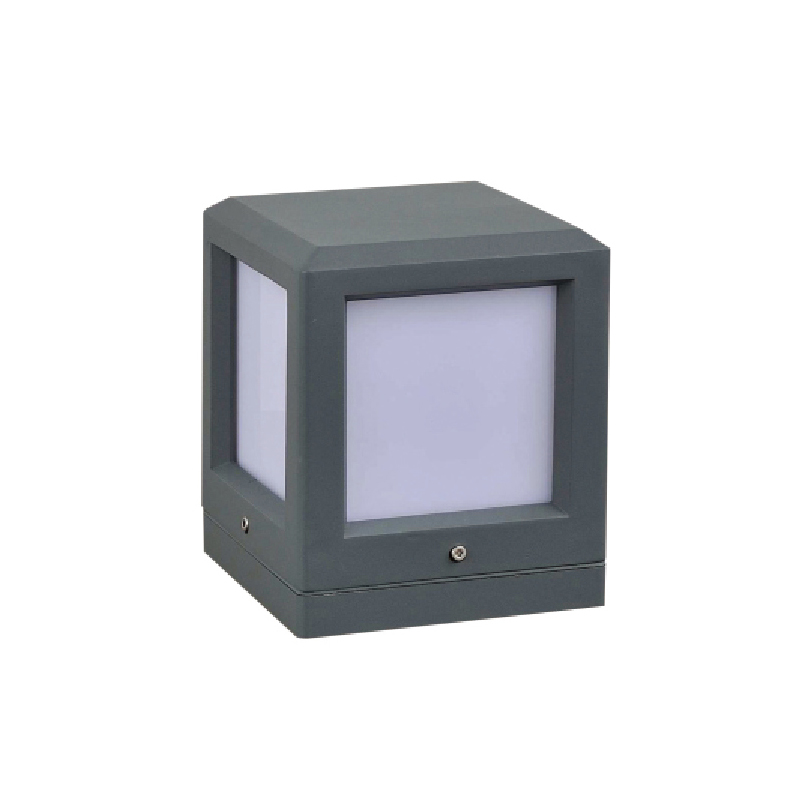 YM-6605 Cube Classic Outdoor LED Wall LightA cubic wall-mounted luminaire with multiple sizes and CCT options, IP65 and IK08 ratings, and DALI-2 dimming for facade and perimeter lighting.View Product →
A symmetric flood mounted at 4 m throws light sideways as well as down. That is how glare complaints start. Asymmetric optics, sometimes described as forward throw or Type II and Type III distributions, put the light where the risk is and keep the upward light ratio low, typically under 2 percent for dark-sky friendly schemes. On a facade, wall lights spaced every 10 m to 15 m at 3 m height give more even coverage than fewer, brighter units, and bollards at 0.8 m usually want 6 m to 8 m spacing to avoid dark bands between them.
Colour temperature is a practical decision as much as an aesthetic one. Between 3000 K and 4000 K is comfortable around housing and hotel entrances, while 4000 K to 5000 K reads as brighter and is common in car parks and industrial yards. Anything cooler than 5700 K tends to look harsh and can wash out faces on camera footage. Keep the CCT consistent across a site: mixed 3000 K and 6000 K fittings on the same building are one of the fastest ways to make a new installation look unfinished.
For camera coverage, ask about flicker. Low flicker drivers avoid the rolling bands that appear on recorded video, and a light should never be aimed straight into a camera lens, since the resulting flare wipes out the very detail the camera is there to capture.
A photocell set to switch at 30 to 50 lux keeps fittings off during bright winter afternoons and on during storms, which a fixed timer cannot do. Motion sensors add a second layer: PIR detection over 10 m to 12 m with a hold time of 30 seconds to 5 minutes suits doors, stores and fire exits, while microwave sensors handle enclosed yards where temperature changes confuse passive infrared. Pairing a dimmed baseline with full output on detection gives security coverage without the site glowing all night.
Where the project may later add central monitoring or part-night dimming, order fixtures with a NEMA 7-pin or Zhaga Book 18 socket. The socket adds very little to the unit price at the factory and saves replacing whole luminaires when a smart city or energy reporting requirement appears. For schemes driven by an energy model, confirm a 0 to 10 V or DALI driver is available rather than assuming it.
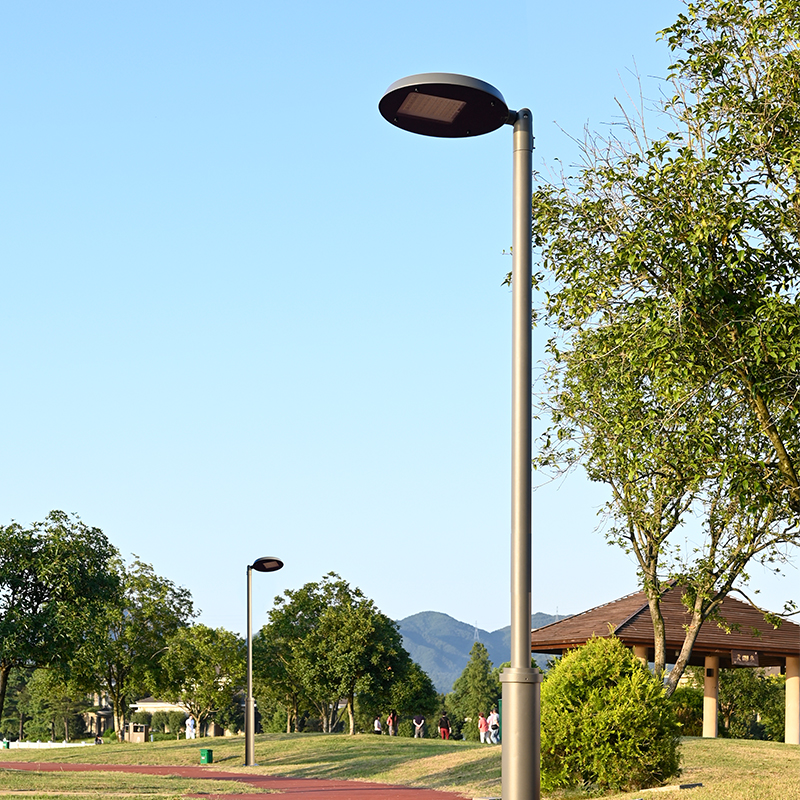 YMLED-6409 Smart-Ready LED Street LightAluminum street light with NEMA interface, IP66/IK10 ratings and optional DALI, 0-10V or PWM dimming for smart roadway schemes.View Product →
Fence lines, remote gates, temporary compounds and sites waiting for a mains connection often cost more to trench than to light. Solar works there, but only when it is sized honestly. Design from the worst month rather than the annual average: a fixture rated for eight hours of operation needs a panel and battery sized on December sun hours in the northern hemisphere, with three to five days of autonomy for cloudy spells. Lithium iron phosphate batteries cope with daily deep cycling better than older chemistry, and a well built unit should advertise its panel wattage, battery capacity and lumen output rather than a vague runtime figure.
Narrow strips between buildings suit vertical solar mast lights, which keep the panel above the shadow line. Where the requirement is a proper road-standard distribution rather than decorative glow, specify a fixture with a real optic and an LM-79 report, not a garden lantern pressed into security duty.
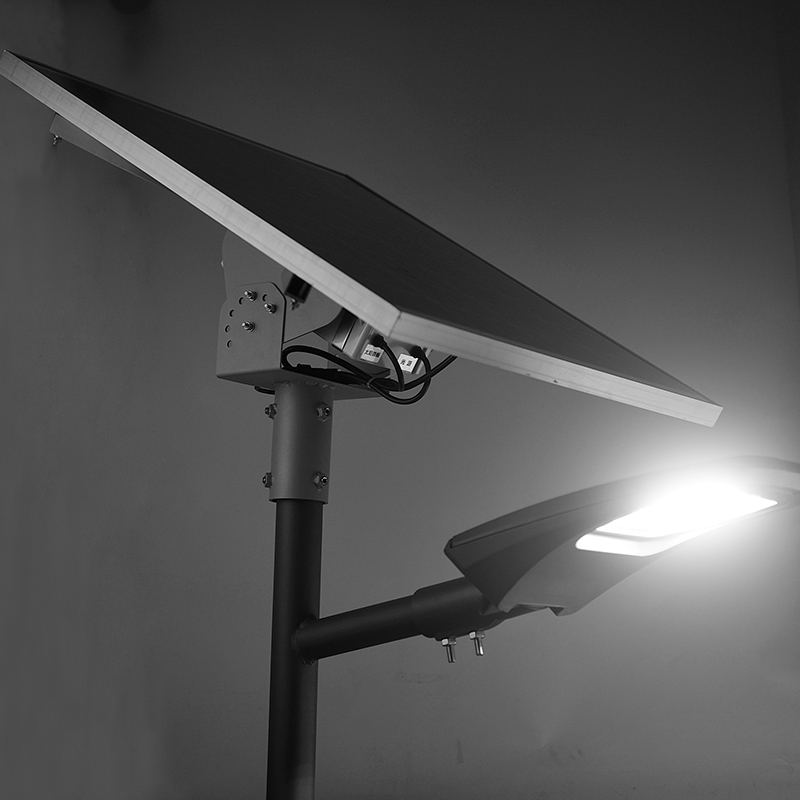 YMLED-6801 Solar LED Street Light with Intelligent ControlAn integrated solar street light for roadway applications, combining selectable optics and CCT with smart dimming, NEMA/Zhaga connectivity and IP65/IK08 protection.View Product →
Before a container ships, approve a sample against a written list. It is quicker to argue about a gasket now than after installation.
It also helps to know who is actually making the goods. A manufacturer with its own die-casting, assembly and test area can hold tolerances across repeat orders, and the profile on the Yangming Lighting about page shows how one outdoor lighting factory in Yuyao structures its production and export operation for buyers who need that reassurance.
Good LED security lighting is a small set of decisions made in the right order: task first, then beam and mounting height, then sealing and impact rating, then control. Get those four right and the wattage almost chooses itself. Get them wrong and a premium fixture will still leave a dark corner at the side gate, which is exactly the problem the project set out to solve.
Related Products
 Private Industrial Park, Liangnong Town, Yuyao City, Ningbo City, Zhejiang Province, China
 +86-13486062091
 +86-574-2222 2345
 +86-574-2267 2345
 info@ym-lighting.com


 English
 中文简体