
 English
 中文简体
中文简体
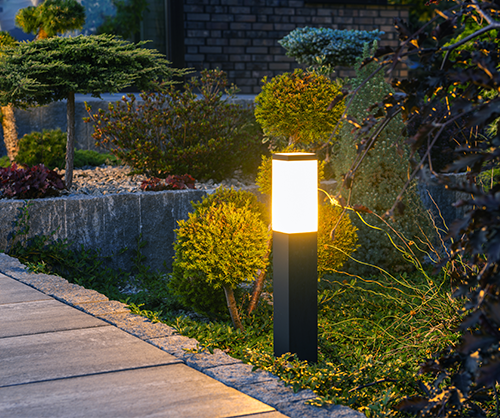
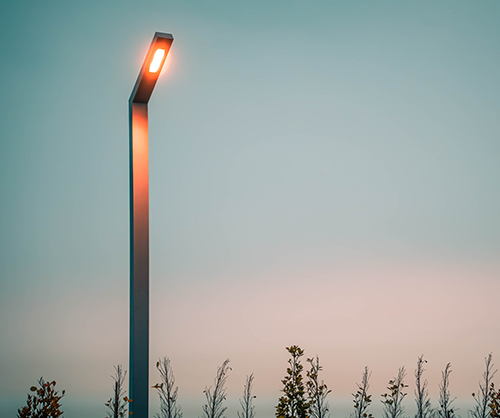
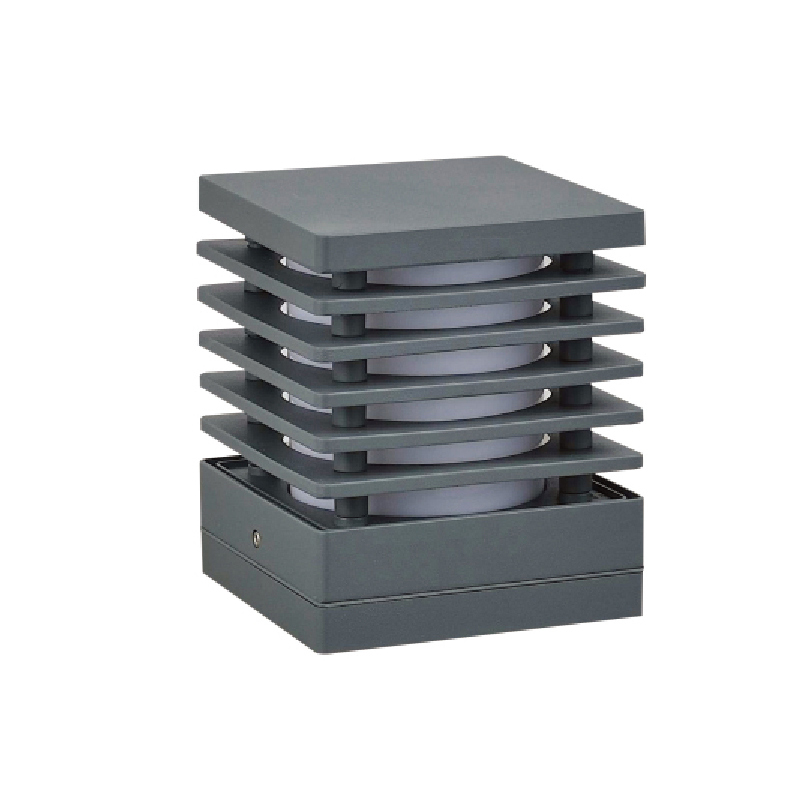
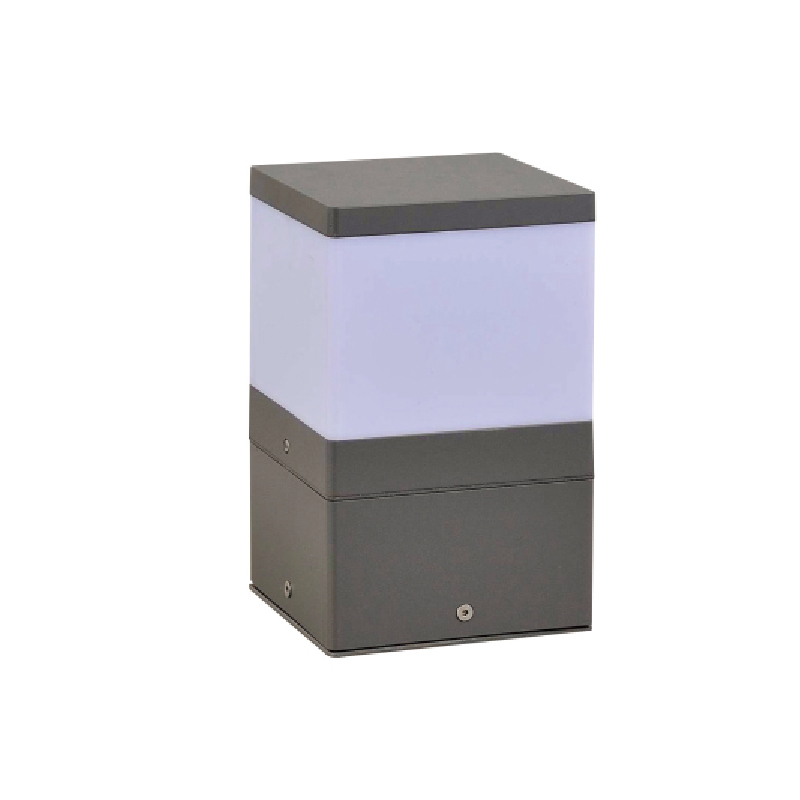
Twenty bollard lights line a residential walkway and run from dusk to dawn. Eighteen months later, eight of them flicker and three are dark. Inside, the LED packages still meet specification; the con...
READ MORE
The wall light series is suitable for wall-mounted scenarios such as building facades, corridors, balconies, terraces, and entrance porches, serving as multifunctional fixtures that combine illumination, decoration, and safety signaling. The products utilize Philips 3030 LED light sources, featuring high energy efficiency, low heat emission, and optional color temperatures (warm, white, or neutral), allowing the lighting atmosphere to be adjusted according to the needs of different scenes. A core highlight is the variety of designs, covering minimalist lines, vintage carvings, and modern high-tech styles to adapt to different architectural aesthetics; installation is flexible, supporting various methods such as wall-mounted and recessed to save space; the protection rating reaches IP65, making the fixtures waterproof and moisture-proof to meet the requirements of outdoor wall installation.


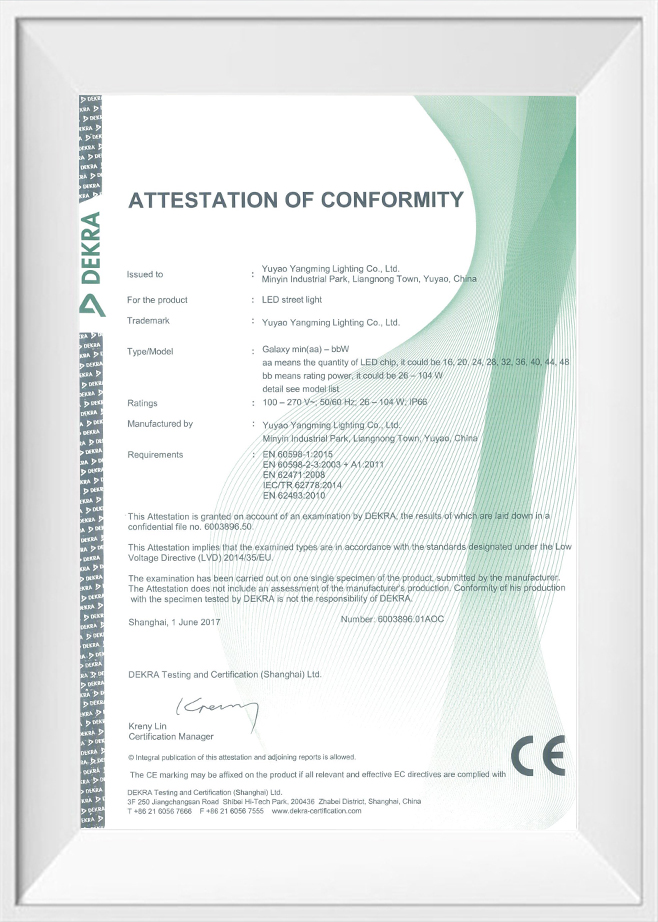
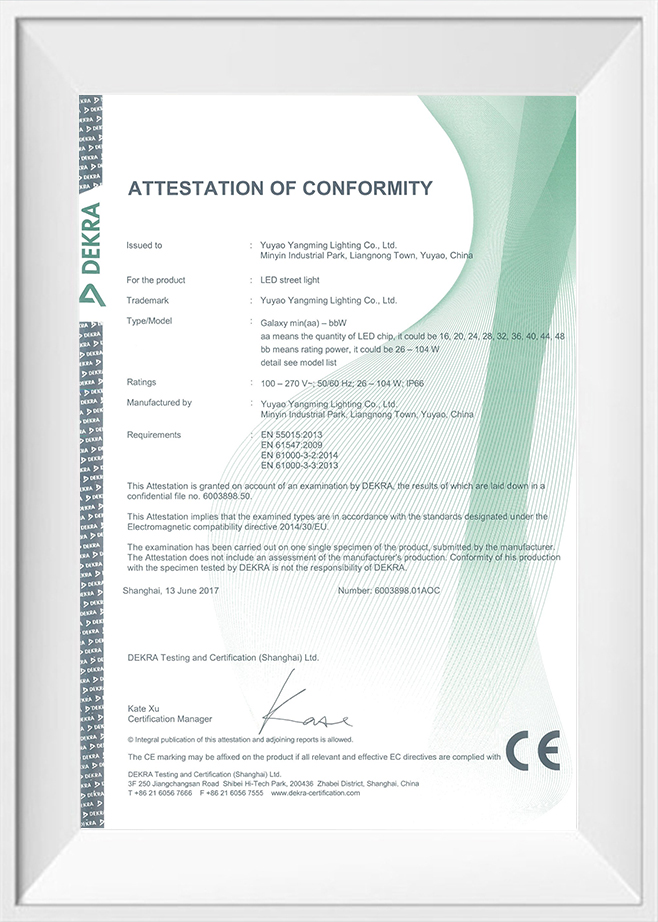


Twenty bollard lights line a residential walkway and run from dusk to dawn. Eighteen months later, eight of them flicker and three are dark. Inside, the LED packages still meet specification; the con...
READ MOREWhen a landscape architect or municipal engineer opens a lighting package and sees a note that says "dark sky compliant," the immediate question is usually practical: does this fixture actually meet ...
READ MOREMost commercial LED outdoor lighting failures have nothing to do with the LED chip. A row of bollards along a coastal hotel car park can look perfect on handover day and still end up with cloudy lens...
READ MOREA specifier sends the same request for 200 roadway luminaires to three suppliers and receives three different fixtures, all described as cobra heads. One clamps onto the existing 2-3/8 inch tenon. On...
READ MOREA 14 unit townhouse complex left its rear service alley unlit for years, and the same three doors were forced open twice in one winter. The manager expected a quote for one large floodlight. The site...
READ MOREWall lighting refers to light fixtures mounted directly onto vertical wall surfaces — both interior and exterior — to provide illumination, decorative accent, and safety signalling from a wall-fixed position rather than from ceiling, floor, or freestanding sources. Wall-mounted lights occupy the middle zone of a space's lighting hierarchy: positioned between ceiling-level ambient fixtures above and floor or table lamps below, they contribute a layer of directional, accent, or task lighting that fills the visual field at eye level and creates the spatial warmth and definition that overhead lighting alone cannot achieve.
In outdoor applications, wall lighting is equally functional and aesthetic: it illuminates building entrances, garden porches, corridors, balconies, terraces, and facade surfaces for safety and wayfinding, while simultaneously contributing to the architectural character of the building's exterior appearance at night. Wall lighting serves three simultaneous functions — illumination of the immediate area for visibility and safety, decorative contribution to the architectural character of the wall and surrounding space, and signal function marking entrances, transitions, and pathway boundaries for navigation and security.
Modern wall lights use high-efficiency LED light sources as the standard light engine — replacing the incandescent, halogen, and compact fluorescent sources used in earlier wall fixture generations. Premium LED wall lights use high-grade LED chips mounted on aluminium PCB substrates, providing luminous efficacy of 100–130 lumens per watt — compared to 10–15 lm/W for incandescent and 50–70 lm/W for compact fluorescent. This efficiency advantage translates directly to energy cost savings: an LED wall light producing 800 lumens (equivalent to a 60 W incandescent) consumes only 6–8 W, reducing energy consumption at that fixture by over 85%.
LED light sources also produce significantly less heat than incandescent and halogen sources of equivalent output — a critical practical advantage for wall-mounted fixtures in enclosed porch and balcony positions where heat accumulation is a comfort and safety concern. The low operating temperature of LED chips also contributes directly to their rated service life of 25,000 to 50,000 hours — 25 to 50 times longer than the 1,000-hour life of a standard incandescent lamp — dramatically reducing lamp replacement frequency and maintenance cost over the fixture's service life.
LED wall lights are available with selectable colour temperatures — the warmth or coolness of the white light produced — allowing the lighting atmosphere to be matched to the intended use and architectural character of the space:
Wall lights direct their light output through a combination of the fixture's internal reflector geometry, the diffuser or lens over the light source, and the physical orientation of the fixture on the wall. Common optical distributions for wall-mounted fixtures include:
The Ingress Protection (IP) rating system defines a fixture's resistance to solid particle and liquid ingress according to the IEC 60529 standard. For wall-mounted outdoor lighting, the IP rating is the most critical performance specification — a fixture installed outdoors with an insufficient IP rating will suffer moisture ingress, internal corrosion, and electrical failure within one or two seasons of outdoor use.
IP65 is the minimum appropriate protection rating for any outdoor wall light installation. The IP65 rating means the fixture is completely dust-tight (first digit 6 — no ingress of dust) and protected against direct water jets from any direction (second digit 5 — water projected by a nozzle against the enclosure from any direction shall have no harmful effect). This protection level is adequate for wall lights in covered porch, balcony, and sheltered terrace positions that experience rain splash and humidity but are not directly immersed in water.
| IP Rating | Protection Level | Suitable Installation Positions | Not Suitable For |
|---|---|---|---|
| IP20 | Protected from fingers; no water protection | Dry interior walls only | Any outdoor or damp interior position |
| IP44 | Splash-proof from all directions | Sheltered interior bathrooms, very sheltered covered porches | Exposed outdoor wall positions |
| IP65 | Dust-tight; protected against water jets | All outdoor wall positions including exposed facades | Submerged or permanently wet positions |
| IP66 | Dust-tight; protected against powerful water jets | Exposed coastal walls, car wash areas, industrial washdown zones | Submerged positions |
| IP67/IP68 | Dust-tight; temporary / continuous submersion | Below-grade wall recesses, pool surrounds, fountain walls | N/A |
Wall lighting fixtures are visible design elements on the building facade and in interior spaces at all times — both when lit and when unlit. The fixture's form, material, and finish must complement the architectural style it serves as much as its optical performance must meet the illumination requirement. Quality wall light ranges cover the full spectrum of contemporary architectural aesthetics:
Minimalist wall lights feature clean geometric forms — rectangular, cylindrical, or blade profiles — in matte or satin aluminium, dark grey, or matte black finishes. They are designed to be visually recessive when unlit, becoming simple geometric accents on the wall surface that complement rather than compete with the architecture. When lit, their controlled optical distributions — typically downward-only or up-down — create precise, architectural light effects on the wall surface. Minimalist wall lights are the standard specification for contemporary residential facades, modern commercial buildings, and high-specification hospitality settings where uncluttered visual quality is the design priority.
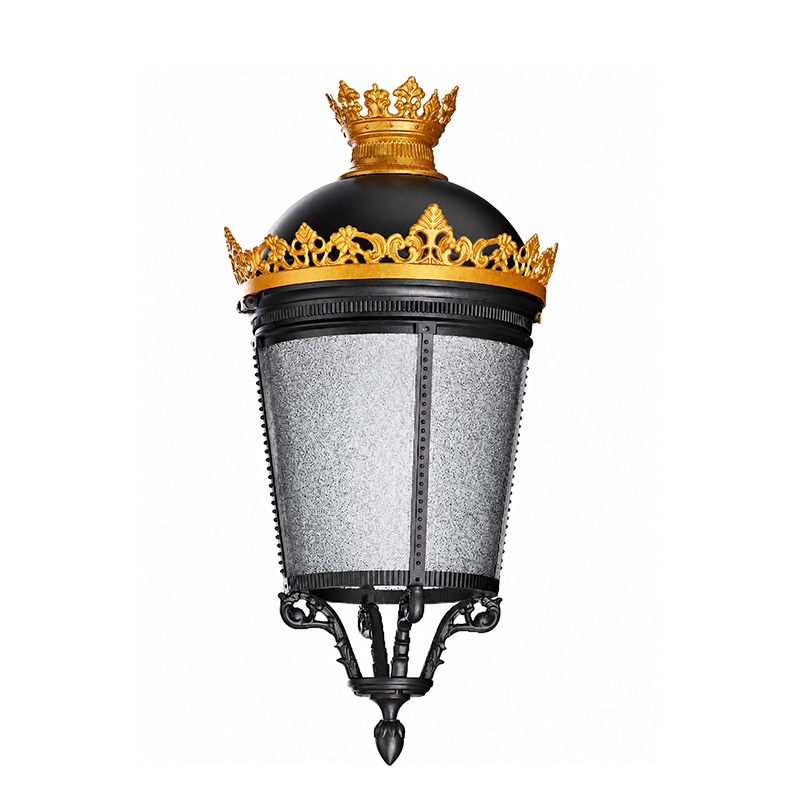
Heritage and vintage wall lights draw on the decorative language of traditional lantern forms — cast aluminium or iron scroll arms, glass lantern bodies, decorative finials, and antique bronze or verdigris colour finishes — updated with modern LED light sources and contemporary electrical specifications. They are widely used on period residential properties, conservation area streetscapes, hotel entrances, and civic buildings where the fixture must reinforce the historic character of the architecture rather than introduce a modern visual note. The combination of heritage aesthetic with LED performance delivers the atmosphere of traditional gas or incandescent lighting with the energy efficiency and maintenance advantages of modern technology.
High-tech wall light designs use exposed structural forms — visible mounting hardware, industrial-style conduit details, powder-coated steel or raw aluminium finishes, and angular or asymmetric geometries — to create fixtures that make a deliberately bold design statement rather than receding into the background. These designs suit industrial conversion architecture, loft-style residential settings, contemporary commercial and retail facades, and creative workplace environments where the fixtures are intended to be noticed as part of the designed aesthetic rather than serving simply as functional lighting infrastructure.
Decorative wall lights incorporating hand-finished details, carved or cast decorative patterns, glass art inserts, and artisanal material combinations serve as statement pieces that are as much objects of visual interest as they are light sources. They are specified for hotel lobby and corridor walls, premium residential entrance halls and staircases, boutique retail environments, and high-specification residential exteriors where the lighting fixture is expected to contribute directly to the design narrative of the space.
Wall lights on building facades serve both functional and architectural roles: they illuminate the area immediately in front of the building for safety and access, while also defining the building's visual presence at night through the pattern of light and shadow they create on the facade surface. Up-down wall lights that wash the facade surface with light from below and above simultaneously highlight architectural texture — coursed stonework, board-formed concrete, brickwork, and textured render — in a way that frontal floodlighting cannot achieve. For residential facades, a pair of wall lights flanking the front door is the minimum specification; for larger commercial facades, a considered wall light layout at regular intervals creates a coherent nighttime elevation that reinforces the building's identity.
The entrance porch is the primary application for residential wall lighting — providing illumination for safe key access, visitor identification, and the all-important first impression of the property. Wall lights at entrance positions must provide adequate illuminance for the practical tasks performed there (key use, reading house numbers, facial recognition of visitors at intercom systems) while simultaneously creating an inviting, welcoming character at night. A matched pair of wall lights at equal height on either side of the door is the classic specification; a single wall light above the door lintel is the compact alternative for narrow door surrounds. Recommended mounting height for entrance porch wall lights is 1.8–2.2 m above finished floor level — high enough to clear head height without glare, low enough to provide useful illuminance at ground level.
Balcony and terrace wall lighting provides ambient illumination for outdoor relaxation, dining, and social use after dark, extending the usable hours of these spaces beyond sunset. Wall-mounted fixtures on balcony and terrace boundary walls provide a comfortable, diffuse light level appropriate for social dining (typically 50–100 lux at table level) without the harsh direct light of overhead ceiling fixtures or the tripping hazard of floor-level lights in a space used by moving people. For terrace wall lighting, fixtures on the perimeter wall facing inward across the terrace surface provide the most even illuminance distribution; fixtures on the building wall facing outward across the terrace are a common complement.
Wall lights in corridors and stairwells provide the eye-level illumination that complements or replaces ceiling-level corridor lighting, particularly in settings where ceiling height is low and ceiling-mounted fixtures would be obtrusive or create uncomfortable downward glare at face level. In stairwells, wall lights positioned at landings and intermediate stair levels provide directional illumination across the stair treads where it is needed for safe descent, with a downward-directed optical distribution ensuring the treads and risers are clearly differentiated without creating glare that impairs vision on the stairs. Emergency exit wall lights with battery backup are mandatory in commercial and public building stairwells under most national building regulations.
Hotel corridors, guestroom headboard walls, lobby feature walls, restaurant dining room walls, and spa corridor walls all use wall-mounted lighting as a primary design element of the interior lighting scheme rather than simply as a supplementary source. In hospitality environments, wall lights must deliver the right mood through colour temperature selection (warm 2700–3000K for intimacy), adequate dimming performance (LED wall lights with TRIAC or 0–10V dimming), and fixture aesthetic that reinforces the designed interior character. The ability to select and adjust colour temperature between scenes — warmer for evening dining service, cooler for morning breakfast settings — makes variable colour temperature LED wall lights particularly valuable in multi-use hospitality spaces.
The most common installation method: the fixture backplate is fixed directly to the wall surface using masonry screws or bolts through pre-drilled fixing holes, with the supply cable routed from a flush-mounted back box embedded in the wall to the fixture's terminal block inside the backplate. Surface-mounted installation is straightforward, works on all wall substrates (masonry, concrete, timber frame, and cladding), and allows the fixture to be removed and replaced without disturbing the wall surface. The back box must be correctly positioned — centred horizontally at the required mounting height — before the wall finish is applied to ensure the fixture aligns precisely with the intended position.
Recessed wall lights — installed into a prepared recess in the wall surface so that the fixture front face is flush with or slightly proud of the wall — provide a cleaner, more integrated visual result than surface-mounted alternatives. The recess must be formed accurately to the fixture dimensions before wall finishing is applied; recessed installation is therefore typically planned at the building design stage rather than added retrospectively. Recessed installation is particularly valued in minimalist architectural settings and on smooth rendered or panelled wall surfaces where a projecting fixture would interrupt the visual continuity of the wall plane. Recessed outdoor wall lights must have a specific IP rating tested in the recessed orientation — water can pool in a downward-facing recess, and only fixtures specifically rated and designed for recessed outdoor installation should be used in such positions.
Some wall light designs — particularly heritage lantern styles and decorative exterior fixtures — use a wall bracket or scroll arm that projects the fixture forward from the wall surface, positioning the luminaire 150–400 mm in front of the wall plane. This projection creates a three-dimensional visual presence on the wall elevation and allows the fixture to illuminate a wider area of the wall surface above and below the mounting point. Bracket-mounted fixtures carry higher bending moment loads on their wall fixings than surface-mounted alternatives, and must be fixed securely into structural wall masonry or structural timber framing — not just into the surface finish — using fixings rated for the combined weight of the bracket and fixture.
| Application | Wattage Range | Colour Temperature | Min. IP Rating | Recommended Distribution | Typical Design Style |
|---|---|---|---|---|---|
| Residential entrance porch | 6–12 W | 2700K–3000K (warm) | IP65 | Up-down or downward | Minimalist or heritage lantern |
| Building facade / exterior wall | 10–20 W | 3000K–4000K (warm–neutral) | IP65 | Up-down wall wash | Contemporary minimalist |
| Balcony / terrace | 8–15 W | 2700K–3500K | IP65 | Wide diffuse | Any style to match interior |
| Hotel corridor / guestroom | 5–10 W | 2700K–3000K | IP20 | Up-down decorative | Decorative / hospitality |
| Outdoor security / perimeter | 15–30 W | 4000K–6000K (cool) | IP65 | Wide downward flood | Functional / industrial |
| Stairwell / corridor | 6–12 W | 3500K–4000K | IP44 (interior) | Downward step illumination | Minimalist recessed or surface |
| Coastal / exposed outdoor wall | 10–20 W | 3000K–4000K | IP66 | Downward or up-down | Marine-grade aluminium housing |
For entrance porch and facade wall lights, 1.8–2.2 m above finished ground level is the standard mounting height — high enough to clear head height without requiring ducking under the fixture, and low enough to provide useful illuminance at ground level and on the faces of approaching visitors. At this height, a downward-directed fixture with 800 lumens output provides approximately 50–80 lux at ground level directly below the fixture, which is adequate for safe pedestrian access. For pathway wall lights and low-level step lights, mounting at 0.5–1.0 m provides closer, more directed illumination on the path surface without glare in the eye-line of pedestrians approaching at grade level.
No — using an indoor-rated wall light (typically IP20 or IP44) in an outdoor position is both unsafe and non-compliant. Rain, condensation, and atmospheric humidity will cause moisture ingress into the unprotected fixture enclosure, creating corrosion of internal components, deterioration of electrical insulation, and ultimately an electrical safety hazard. Any outdoor wall light installation requires a minimum IP65-rated fixture. For covered porch positions that receive only indirect rain exposure, IP65 is sufficient; for positions exposed to direct rain, wind-driven water, or periodic pressure washing, IP66 or higher is the correct specification.
For residential entrance and garden wall lighting where a welcoming, attractive nighttime appearance is the goal, warm white at 2700K–3000K is the standard recommendation — it flatters building materials, creates an inviting atmosphere, and coordinates well with interior warm lighting visible through windows. For commercial facades, office entrances, and security applications where visual acuity and a professional appearance are priorities, neutral white at 3500K–4000K is more appropriate. Avoid 5000K+ cool white for residential and hospitality wall lighting — at these colour temperatures, the light has a clinical, high-intensity character that is inappropriate for welcoming residential and amenity contexts.
For a residential facade, a minimum of two wall lights flanking the front door is the standard specification. For larger facades, the spacing between wall lights is determined by the required illuminance level and the fixture's beam spread. As a general guide, wall lights with a wide diffuse distribution spaced at 3–4 m intervals provide adequate overlapping coverage for residential pathway and facade lighting. For commercial facades where illuminance uniformity is specified, a lighting design calculation confirming point-by-point illuminance values is necessary to confirm the required fixture spacing and quantity.
Yes — LED wall lights are fully compatible with passive infrared (PIR) motion sensors, daylight sensors (photocells), and time-switch controls, either by purchasing fixtures with integrated sensor modules or by connecting non-sensing LED fixtures to external sensor control devices. LED sources benefit particularly from motion-sensor control compared to traditional sources because they reach full output instantly on switch-on (no warm-up delay) and are not degraded by frequent switching cycles in the way that fluorescent and some halogen sources are. A motion-sensor-controlled LED entrance wall light operating at full output only during the 2–3 minutes of active use per hour can reduce energy consumption by over 90% compared to the same fixture operating continuously.
Both IP65 and IP66 fixtures are dust-tight (first digit 6). The difference is in water jet resistance: IP65 is protected against low-pressure water jets from any direction (as encountered in rainfall and casual outdoor water exposure); IP66 is protected against powerful, high-pressure water jets from any direction (as encountered in pressure washing, storm-force rain, and coastal wave spray). For standard residential and commercial outdoor wall lighting in normal outdoor positions, IP65 is entirely adequate. IP66 should be specified for coastal walls within 500 m of the shoreline, industrial facilities subject to regular pressure washing, and any outdoor wall position exposed to storm-force winds that drive rain horizontally against the wall surface at high velocity.
 Private Industrial Park, Liangnong Town, Yuyao City, Ningbo City, Zhejiang Province, China
 +86-13486062091
 +86-574-2222 2345
 +86-574-2267 2345
 info@ym-lighting.com
