Nov, 27, 2026
Decide the control platform, the socket standard, and the approval sample before the lighting package is priced. That is the shortest route to a workable partnership between a smart lighting brand and a builder. When those three items are left until after the main contract is awarded, the builder often receives a compliant-looking luminaire that cannot be commissioned cleanly, a substitute driver that changes the dimming profile, or a delivery date that moves because the factory is waiting for a control module. A better partnership starts with the interface, not the catalogue photo.
The most successful arrangements also share one habit. The lighting supplier is brought into the project while the lighting schedule is still being edited. At that stage, small decisions about sockets, beam angles, and spare parts are still cheap to change. After the order is placed, the same decisions become variations, site instructions, and delays.
Content
A workable partnership is a pre-agreed way of working, not a promise of friendship between sales teams. It gives the builder a predictable path from specification to sample approval, production, delivery, commissioning, and aftercare. The table below shows where the two models usually differ.
| Decision area | Catalogue supplier | Partnership supplier |
|---|---|---|
| Control fit | Product is selected from a list after price comparison. | Protocol, socket, and driver are checked before the schedule is fixed. |
| Sample approval | Sample is treated as a sales step. | Sample is sealed as a golden reference for production. |
| Delivery | Lead time is quoted from enquiry date. | Lead time is quoted from approved drawings and deposit. |
| Handover | Documents are supplied if requested. | O and M files, labels, and spares are planned from the start. |
The difference matters most on projects with more than one lighting zone. A residential development may use bollards on garden paths, post-top lights around parking, wall lights at entrances, and street lights on the access road. If each zone is bought as a separate catalogue item, the builder can end up with four control approaches and four sets of spare parts. A partnership approach looks at the package as one system and reduces that fragmentation.
Builders also value a supplier who can say no early. If a requested CCT, beam angle, or housing finish is not practical for the project programme, that is better heard before the tender returns than after the purchase order is signed.
Start with the control layer. A luminaire may be mechanically correct and still fail at commissioning if the driver protocol, sensor logic, and gateway do not match. For outdoor projects, ask for the control method in plain terms. Is dimming done by DALI, 0-10V, or a wireless mesh. Is the sensor inside the luminaire, on a NEMA socket, or on a separate gateway. Who provides the commissioning software. These questions should be answered in the lighting schedule, not in a site meeting after the poles are installed.
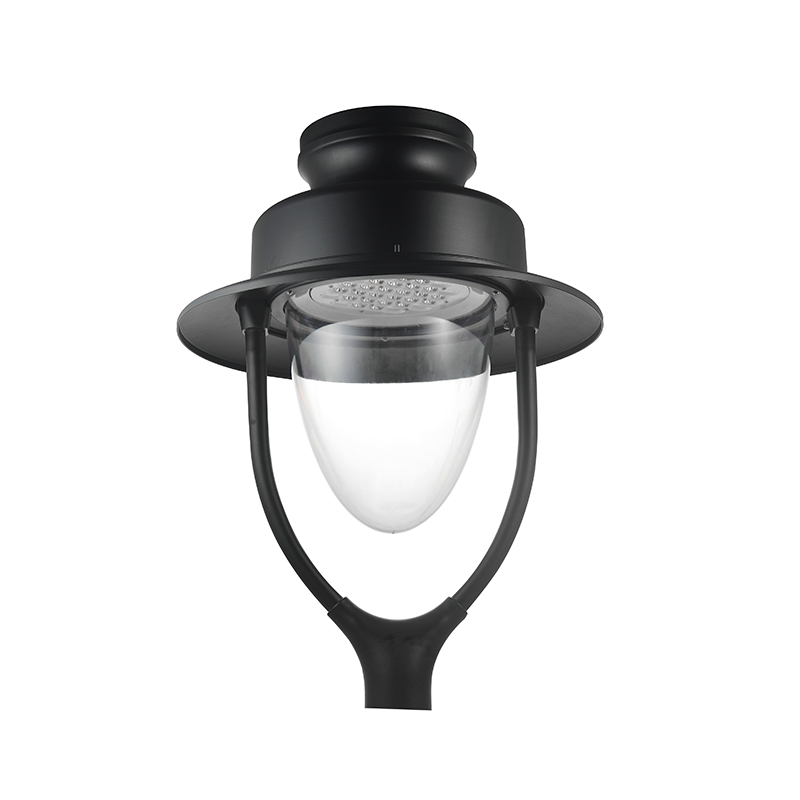
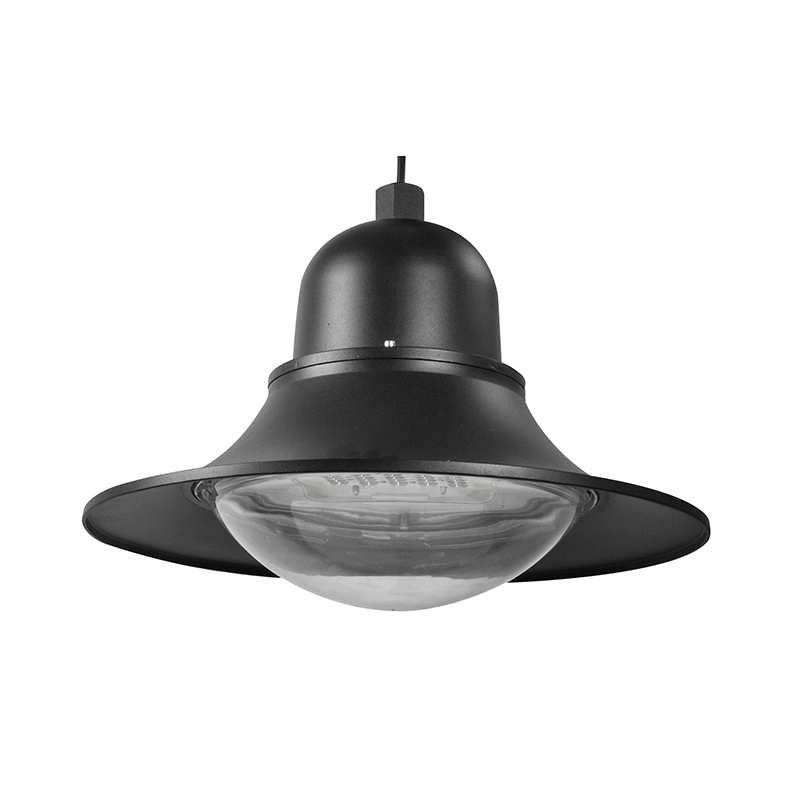
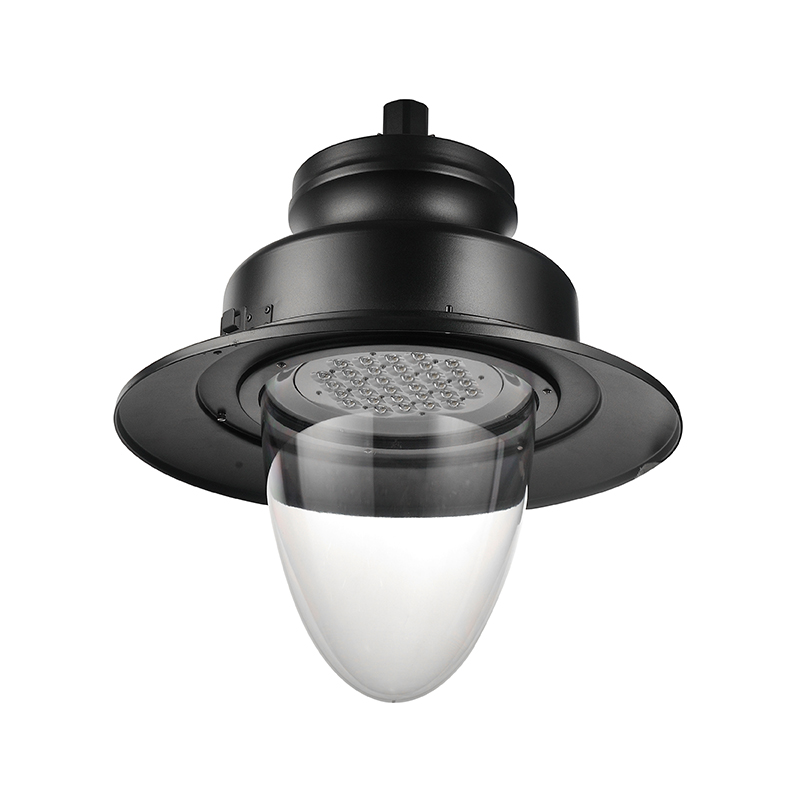
The NEMA socket and the Zhaga socket are practical checkpoints. A NEMA socket gives the project a defined place to add a photocell or smart node. A Zhaga socket does the same for a smaller sensor or control module. The builder should confirm that the socket is wired to the driver in the way the controls supplier expects and should receive a wiring diagram with the approval sample. A post-top garden luminaire with a Zhaga socket gives the project a defined control interface.
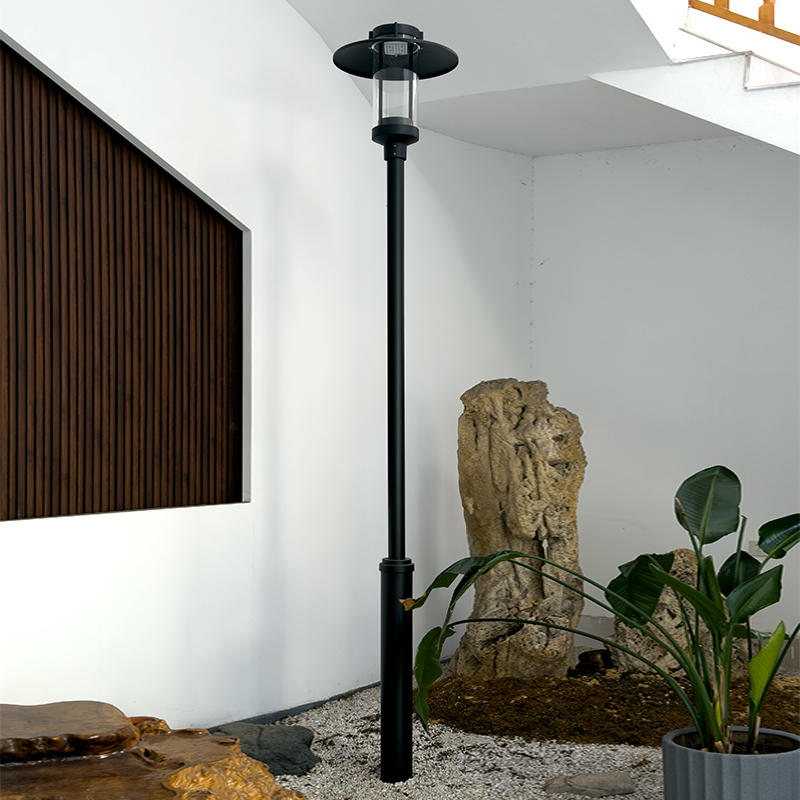 YMLED-6107 Outdoor LED Garden Light with NEMA/Zhaga InterfaceOutdoor garden luminaire with die-cast aluminum housing, PMMA optics, and NEMA or Zhaga control interface; verify dimming defaults and control compatibility before production.View Product →
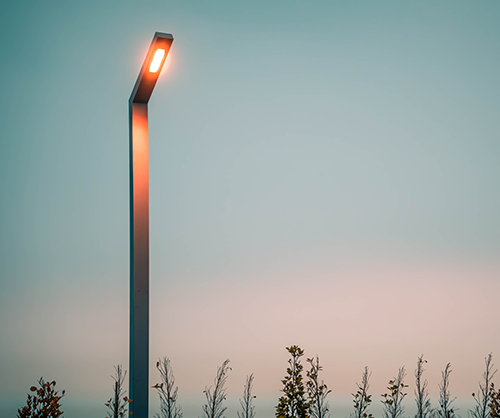
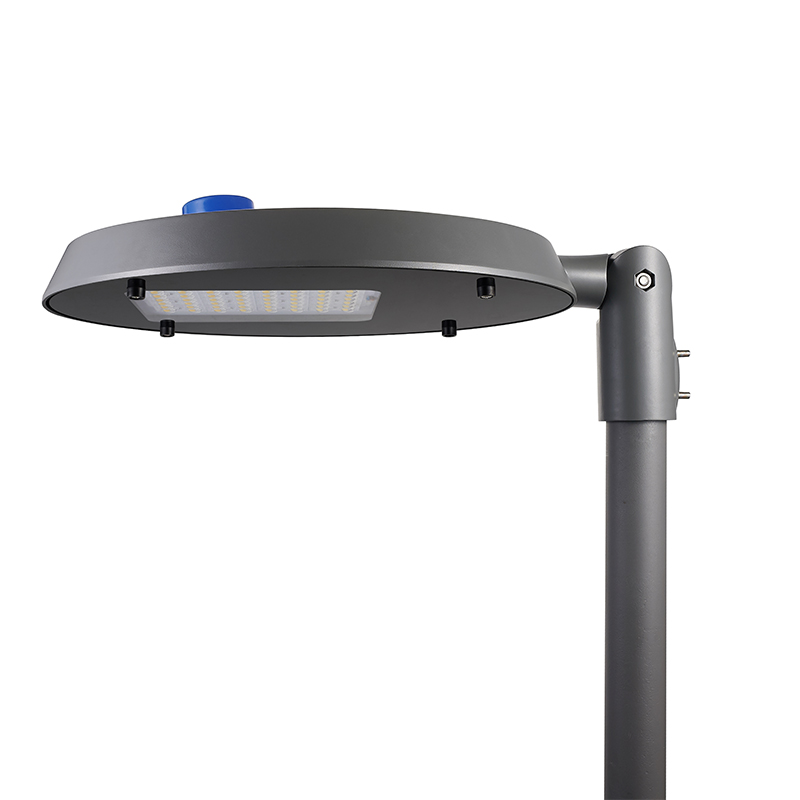
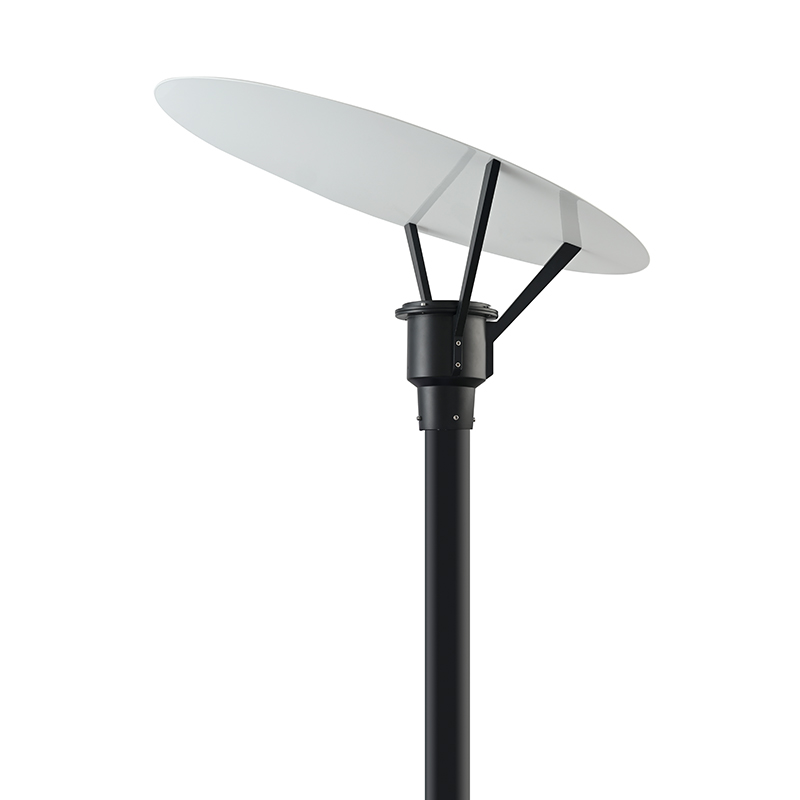
Confirm the dimming range, standby power, and fail state as well. A luminaire that defaults to full output after a power cut may be unacceptable on a residential road, while a soft start to 30 percent may suit a park path. The controls supplier and the luminaire supplier should agree on the default profile before production. A street luminaire with a NEMA socket allows the controls supplier to fit a node without opening the housing.
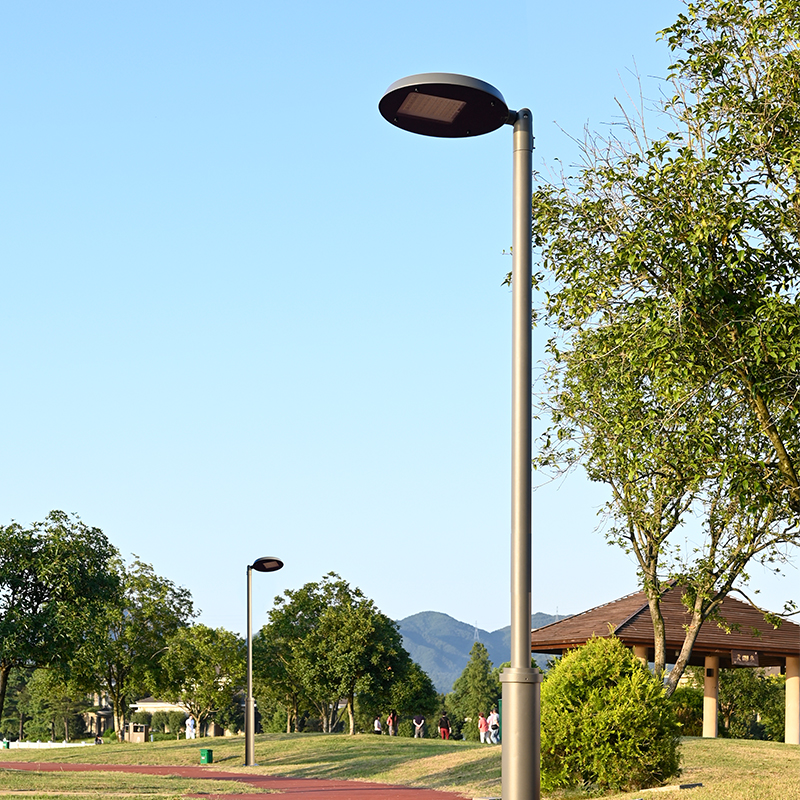 YMLED-6409 Sensor-Ready LED Street Light with NEMA SocketAluminum LED street light with NEMA socket, optional Zhaga connector, dimming and high-output models; bench-test actual control nodes before full order release.View Product →
Do not treat a socket as a guarantee of compatibility. It is a physical interface. Compatibility also depends on the driver, the firmware, and the approval of the controls brand. The builder should request a bench test or a site mock-up with the actual node and gateway before the full order is released.
A builder's lighting schedule is a procurement document. It needs data that can be checked against the sample, not only a product image. At lamp level, the schedule should state the IP rating, IK rating where relevant, CCT, CRI, lumen output, wattage, beam angle, and dimming method. At system level, it should state the control protocol, gateway capacity, fail state, and spare part list.
IP65 and IP66 are common in outdoor lighting, but the number alone does not settle the detail. Ask how the cable entry, breather, and gasket are protected. A 10 percent lumen tolerance is normal in LED production, but the tender should say whether the value is nominal or minimum. If the project has a lighting design with a calculated uniformity, a 10 percent shortfall on output can matter more than a small change in colour temperature.
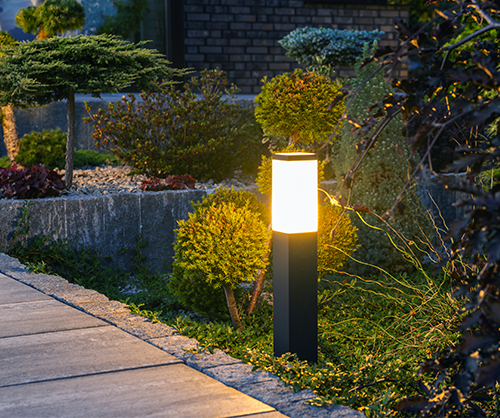
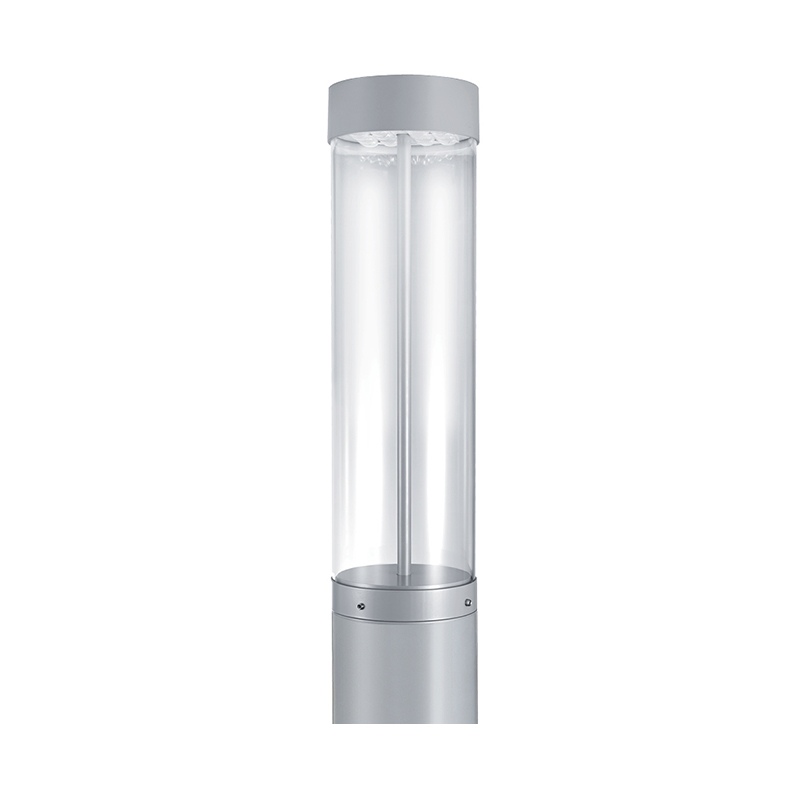
For a footpath or park package, a die-cast aluminum bollard with a controlled beam and IP66 rating can serve as the reference sample for the whole family. It gives the builder something concrete to compare against the schedule, the mock-up, and the delivered batch.
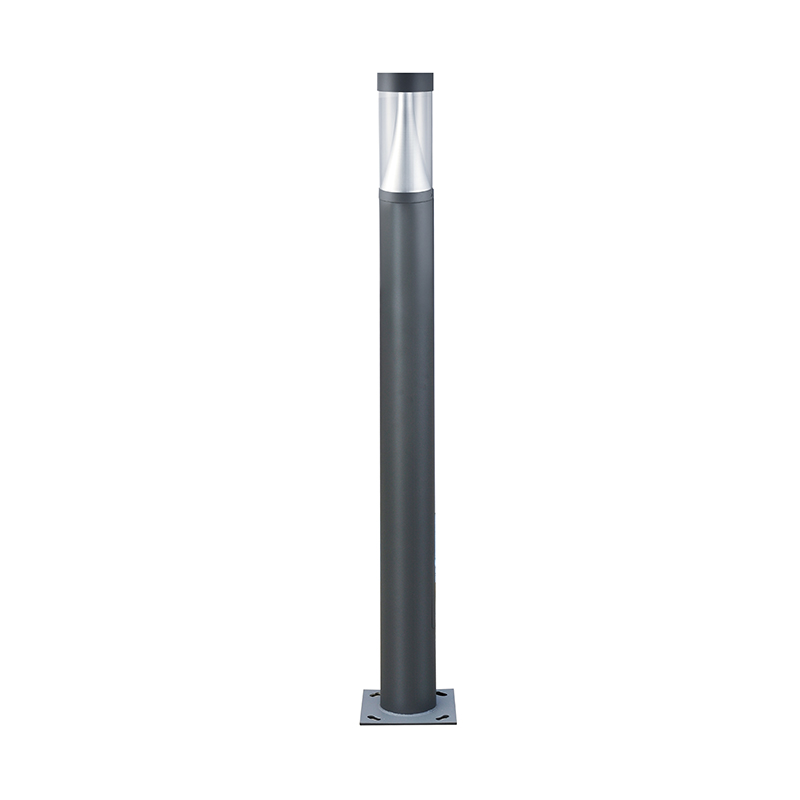 YMLED-6307 Die-Cast Aluminum LED Garden Bollard LightSlender die-cast aluminum bollard for paths and plazas, with IP65/IK08 protection, selectable optics, and smart-control options; use as a reference sample for batch consistency.View Product →
Colour consistency is another practical check. Ask for a sample pair from the same production batch and view them together at night. A small shift in CCT is easy to miss on a desk but visible along a row of bollards. The same applies to beam shape. Two luminaires with the same wattage can produce very different glare if the shield or lens is changed.
Price is only one line in the comparison. The partnership should also settle the commercial rules that keep the site moving. These terms are not legal decoration. They decide who pays for a replacement batch, who owns the approved sample, and how quickly a missing accessory can be supplied.
Lead time deserves a specific date rule. If a project needs 400 bollards and 120 street lights, a mixed container can reduce freight cost, but the builder should confirm the loading plan and carton marks before production. A 5 percent over or under delivery may be acceptable in some commodities, but not when the site has a fixed fixing plan and no secure storage for surplus units.
Warranty should name the driver and control module, not only the housing. A five-year luminaire warranty that excludes the driver can leave the builder exposed if the driver is the first item to fail. Spare parts should also be agreed in percentage terms or as a fixed list. For a smart lighting scheme, one spare gateway or one spare control node can be more useful than ten extra lamps.
The site phase is where a good commercial relationship becomes visible. Name one technical contact on the lighting side and one on the builder side. The builder's contact should have authority over the lighting schedule, not only the purchase order. That person should be able to approve a mock-up, confirm a cable entry detail, and stop a batch if the label or driver does not match the approved sample.
Approve a mock-up bay with the actual bracket, cable entry, and control node. Check it at night, not only in daylight. Record the aiming, dimming schedule, and replacement access. Take photographs of the driver label and cable marking before dispatch. On site, keep a sealed approval sample in the site office so that the receiving team can compare finish, label, and accessory pack without opening a full carton.
At handover, provide O and M files that match the installed batch. The file should include the driver model, control protocol, spare part numbers, and a simple commissioning record. If the control system is managed by another supplier, the builder should confirm who owns the gateway and who will respond to a fault call in the first year. A partnership between a smart lighting brand and a builder is stronger when that responsibility is written down before the first luminaire is energised.
Smart lighting partnerships fail more often at the interfaces than at the factory. The builder should be able to explain which luminaire, which socket, which protocol, and which spare part will be used in each zone. The lighting partner should be able to show the approved sample, the test report, and the production schedule. When those documents line up, the partnership is not just a supply agreement. It is a lower-risk way to deliver a lit environment that still works after handover.
Before the next tender, review the manufacturer profile and download the current catalogue so that the project team can compare models, sockets, and finishes against the lighting schedule.
Review the manufacturer profile and download the current catalogue before the next tender.
Related Products
 Private Industrial Park, Liangnong Town, Yuyao City, Ningbo City, Zhejiang Province, China
 +86-13486062091
 +86-574-2222 2345
 +86-574-2267 2345
 info@ym-lighting.com


 English
 中文简体