Apr, 24, 2026
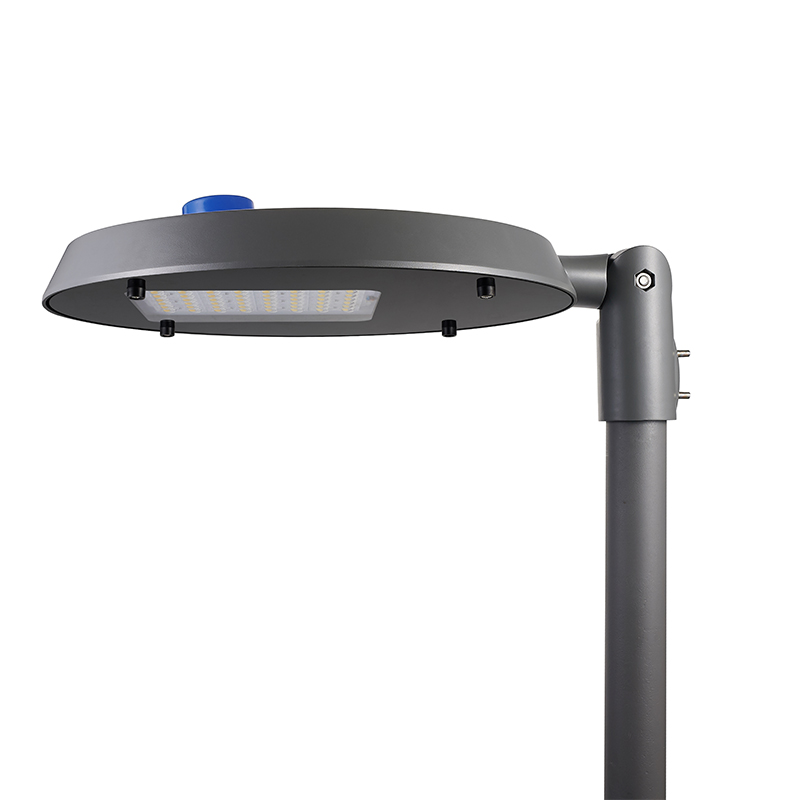
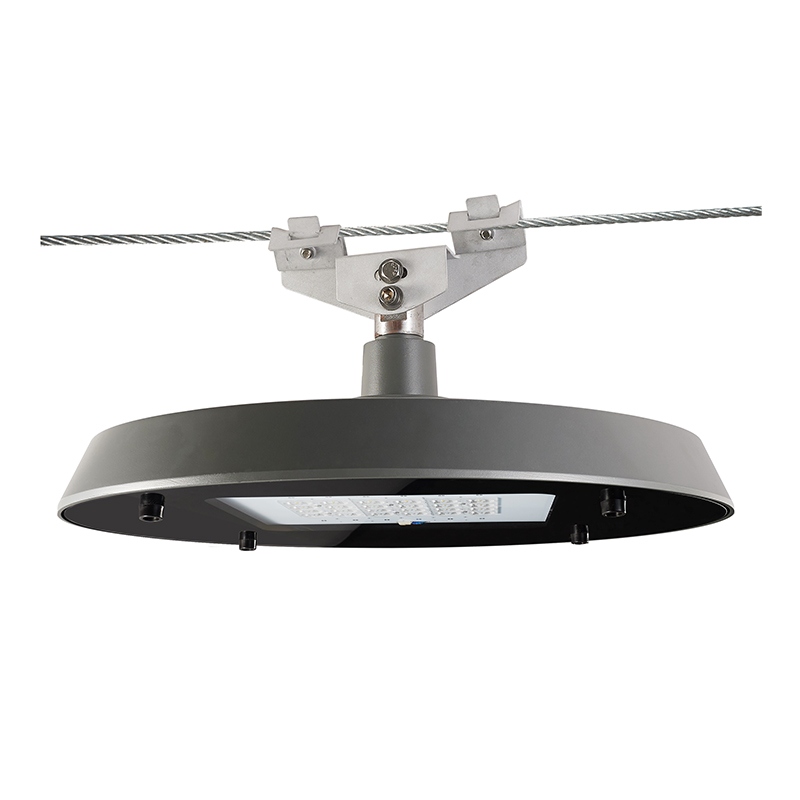
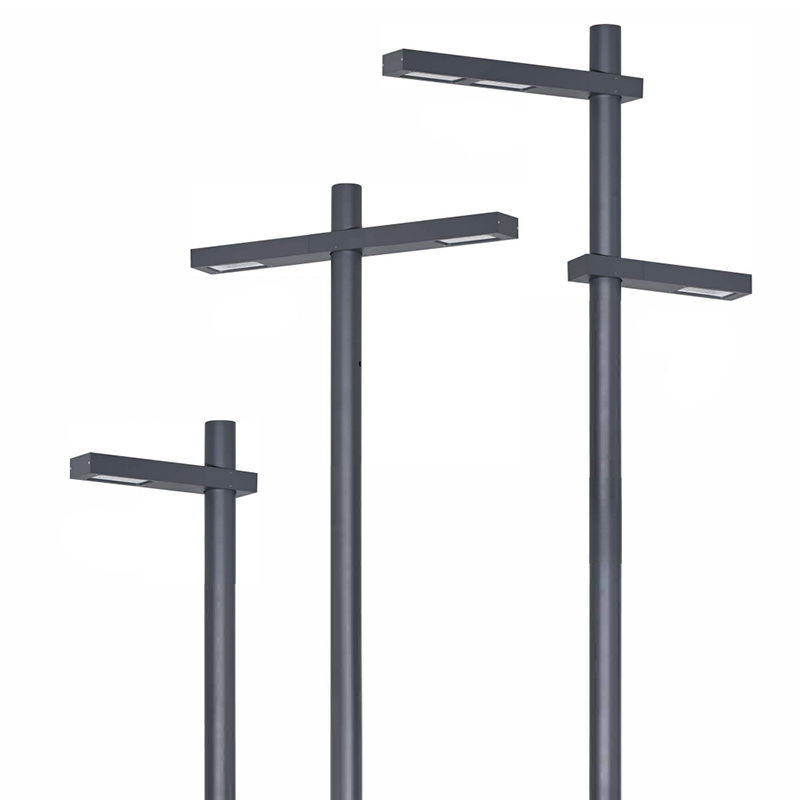
Street lighting is a public infrastructure system that provides artificial illumination to roads, pathways, and public spaces during darkness — enabling safe movement of vehicles and pedestrians, reducing traffic accidents, deterring crime, and supporting economic activity after nightfall. Modern street lighting systems consist of luminaires (the light fixtures), poles, electrical distribution networks, and increasingly, intelligent control systems that manage brightness, scheduling, and fault monitoring remotely. Street lighting is classified as essential infrastructure in virtually every jurisdiction globally, and its design, installation, and maintenance are governed by standards including EN 13201 in Europe and ANSI/IES RP-8 in North America.
Content
The primary engineering purpose of street lighting is to provide sufficient illuminance on the road surface — measured in lux (lx) — and adequate luminance on the road surface as perceived by drivers, to allow hazards, road markings, pedestrians, and other vehicles to be detected at safe stopping distances. Road category determines the required illuminance level:
| Road Category | Average Illuminance | Uniformity Ratio (min/avg) |
|---|---|---|
| Urban main road / arterial | 20–30 lux | 0.40 |
| Secondary urban road | 10–15 lux | 0.40 |
| Residential and local roads | 5–10 lux | 0.25 |
| Pedestrian paths and cycle tracks | 7.5–15 lux | 0.25–0.40 |
| Industrial park internal roads | 10–20 lux | 0.40 |
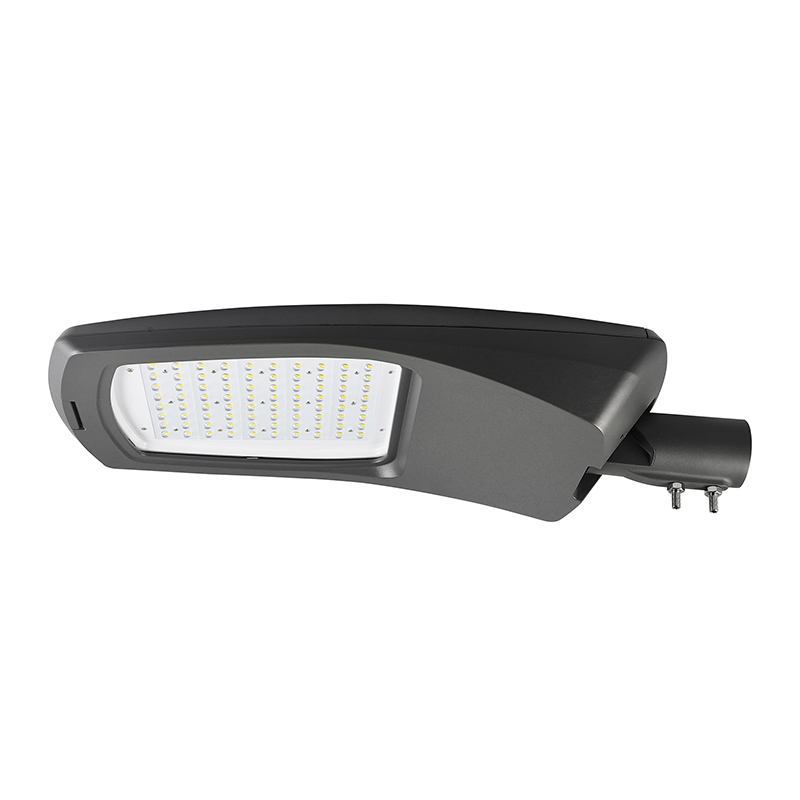
LED technology has become the global standard for new street light installations and retrofit projects, replacing legacy high-pressure sodium (HPS), metal halide, and fluorescent lamp technologies. The performance advantages are quantifiable and compelling:
Modern LED street luminaires achieve luminous efficacies of 135 lm/W or higher — compared to approximately 80–100 lm/W for high-pressure sodium lamps (the previous gold standard). For an equivalent road illuminance, an LED luminaire consumes 40 to 60% less electricity than an HPS equivalent. Given that street lighting accounts for up to 40% of a municipality's total electricity expenditure, this saving is significant at city scale.
LED street lights achieve color rendering indices (CRI) of 70 to 90+, compared to the CRI of approximately 20–25 for high-pressure sodium lamps. Higher CRI means pedestrians, road users, and security cameras can distinguish colors more accurately — improving hazard recognition and facial identification. This has safety and public security benefits that pure illuminance measurements do not capture.
Quality LED street luminaires are rated IP66 — completely dust-tight and protected against powerful water jets from any direction. This rating ensures the luminaire maintains its performance in heavy rain, road spray, coastal salt air, and dusty industrial environments without ingress-related failures that were common with legacy lamp technologies using glass envelopes and socket connections.
Modern LED street luminaires can integrate with intelligent control systems that optimize energy use and enable remote management. Common control interfaces include:
Smart dimming strategies — reducing output to 50–70% during low-traffic hours between midnight and 5 am — can deliver an additional 20 to 30% energy saving beyond the base LED efficiency gain, while maintaining safe illuminance levels during these periods.
LED street luminaires are specified to maintain at least 70% of initial lumen output (L70) for a rated service life of 50,000 to 100,000 hours — equivalent to 11 to 22 years of continuous overnight operation. This compares to 20,000–30,000 hours for high-pressure sodium lamps and 10,000–15,000 hours for metal halide lamps.
The extended service life of LED luminaires significantly reduces the labor cost of group relamping — the periodic replacement of all lamps in a section of road regardless of individual lamp condition, which was standard practice for high-pressure sodium installations to avoid random failure during service. LED systems eliminate this maintenance cycle, replacing it with condition-based maintenance triggered by fault reports from smart monitoring systems.
Related Products
 Private Industrial Park, Liangnong Town, Yuyao City, Ningbo City, Zhejiang Province, China
 +86-13486062091
 +86-574-2222 2345
 +86-574-2267 2345
 info@ym-lighting.com


 English
 中文简体
中文简体