Aug, 14, 2026
Yes, light poles have meaningful recycling value, particularly those made from steel or aluminum, since both metals retain high scrap value and can be reprocessed repeatedly without significant loss of material quality. At the end of a pole's service life, whether due to damage, upgrade projects, or infrastructure replacement, the metal content can be sold to scrap recyclers or returned through municipal recycling programs rather than sent to landfill. According to recycling industry data commonly cited for structural metals, steel retains up to 100 percent of its material properties through repeated recycling cycles, making decommissioned poles a genuinely valuable recovery material rather than simple waste.
Content
The recycling value of a light pole comes down almost entirely to its base material, since metals like steel and aluminum are among the most recyclable materials used in outdoor infrastructure today. Unlike many composite or mixed materials, these metals can be melted down and reformed without degrading their core structural properties.
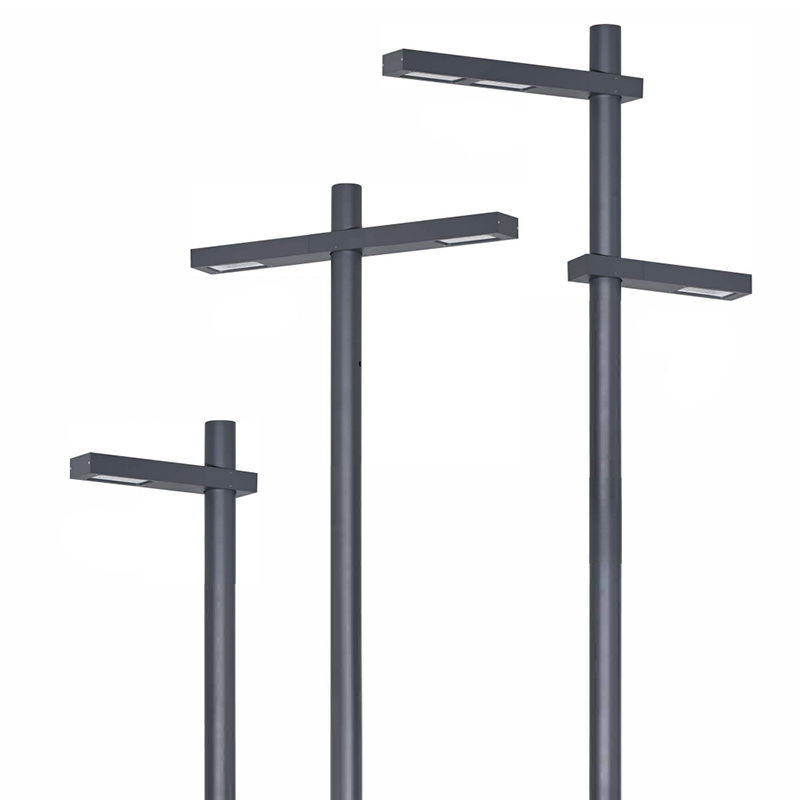
A steel Light Pole removed during a municipal upgrade project typically retains substantial scrap value, which many municipalities offset against the cost of new pole installations as part of infrastructure replacement budgeting.
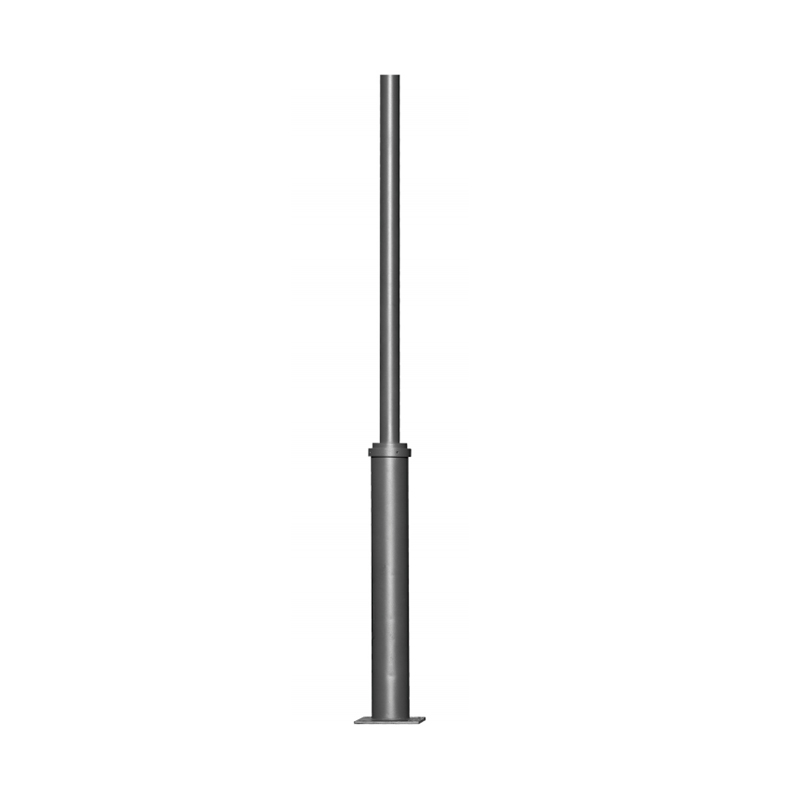
Not all light pole materials offer the same recycling return, and understanding these differences helps property owners and municipalities plan more effectively for end-of-life disposal or resale of decommissioned poles.
| Material | Recyclability | Relative Scrap Value |
| Steel | Fully recyclable, widely accepted | Moderate to good |
| Aluminum | Fully recyclable, high market demand | Higher |
| Concrete or composite poles | Limited recyclability | Low |
Aluminum generally commands a higher scrap price per unit weight compared to steel, though steel poles are still highly sought after by recyclers due to the large overall material volume in a single pole structure.
Once a light pole reaches the end of its service life, whether from corrosion, impact damage, or a planned infrastructure upgrade, the recycling process follows a fairly standardized sequence used across most metal recovery facilities.
Facilities handling large volumes of decommissioned infrastructure often work directly with municipalities and utility companies, streamlining the pickup and processing of retired poles as part of ongoing infrastructure maintenance contracts.
The actual dollar value recovered from recycling a light pole depends on several variables beyond just the base material type, and understanding these factors helps set realistic expectations for anyone planning a pole removal project.
Heavier poles with thicker wall construction naturally contain more recoverable metal, directly increasing the total scrap value compared to lighter, thinner-walled poles of the same height.
Scrap metal prices fluctuate based on broader commodity market conditions, meaning the same pole could return different value depending on when it is sold to a recycling facility.
Poles free of significant non-metal contamination, such as embedded concrete or extensive wiring, generally process more efficiently and may command better pricing than poles requiring extensive separation work before recycling.
While the direct financial return from recycling a light pole is meaningful, the environmental benefits extend well beyond the scrap payment itself, contributing to broader sustainability goals in infrastructure management.
Recycling decommissioned poles diverts substantial metal weight away from landfills, which is particularly significant given how many poles reach end of life during large-scale municipal lighting upgrade projects.
Producing new metal from recycled scrap consumes considerably less energy than extracting and processing raw ore, meaning each recycled pole contributes to reduced overall energy demand across the metal manufacturing supply chain.
Large-scale lighting upgrade projects, such as converting older fixtures to more energy-efficient LED systems, often involve replacing dozens or hundreds of poles at once, making recycling planning a meaningful part of overall project budgeting.
Municipalities undertaking large infrastructure upgrades frequently coordinate directly with scrap metal buyers to arrange bulk pickup, which can improve pricing compared to smaller, individual pole disposal arrangements.
Revenue recovered from recycling old poles can help offset the cost of new Light Pole installations, making end-of-life recycling planning a practical budgeting consideration rather than simply a disposal formality.
Proper preparation before recycling helps maximize both the value recovered and the efficiency of the recycling process at the receiving facility.
Taking these preparation steps in advance reduces processing time at the recycling facility and can improve the overall value offered for the recovered metal.
Municipal infrastructure managers, commercial property developers, and contractors overseeing lighting replacement projects should factor recycling value into their planning from the outset, since decommissioned poles represent a recoverable asset rather than pure disposal cost. Facilities managing large-scale upgrades in particular benefit from establishing relationships with scrap metal buyers ahead of time, ensuring smoother logistics and better pricing when multiple poles are removed as part of a coordinated project.
Related Products
 Private Industrial Park, Liangnong Town, Yuyao City, Ningbo City, Zhejiang Province, China
 +86-13486062091
 +86-574-2222 2345
 +86-574-2267 2345
 info@ym-lighting.com


 English
 中文简体
中文简体