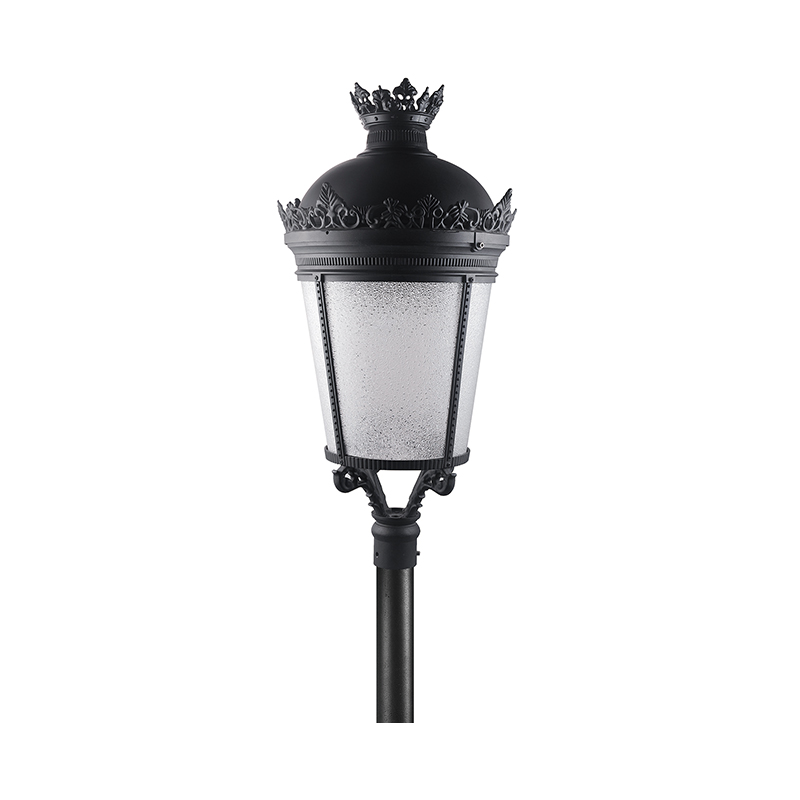
Aug, 07, 2026
Yes, properly engineered light poles are sturdy, built through structural calculations that account for wind load, material strength, and foundation design to withstand decades of outdoor exposure without failure. A pole's sturdiness depends on several interconnected factors including material type, wall thickness, base plate design, and foundation depth, all of which are calculated together rather than relying on any single feature. Structural engineering standards commonly referenced in outdoor lighting design require poles to withstand wind speeds of 90 to 150 mph or higher depending on regional building codes, meaning a properly specified pole is engineered to handle far more stress than typical daily weather conditions.
Content
A light pole's sturdiness is not determined by a single factor but by the combined performance of its material composition, wall thickness, height, and how well the base connects to its foundation. Each of these elements is calculated together during the engineering design process.
A well-engineered Light Pole is designed with these factors calculated together based on the specific wind zone, mounting height, and fixture weight it will support, rather than using a generic specification across all installation locations.
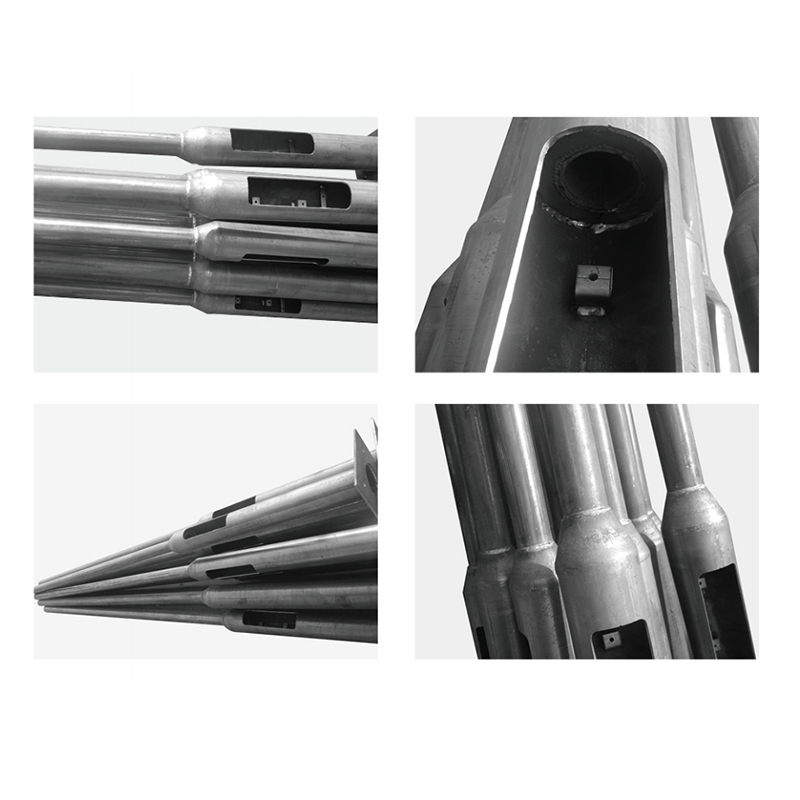
The material used to manufacture a light pole plays a major role in its overall strength, corrosion resistance, and expected service life. Different materials offer distinct advantages depending on the installation environment.
| Material | Strength Characteristics | Best Suited For |
| Steel | High tensile strength, heavier weight | High wind zones, tall pole applications |
| Aluminum | Lighter weight, naturally corrosion resistant | Coastal areas, decorative installations |
Galvanized steel poles are widely used in commercial and municipal lighting projects because their high strength-to-weight ratio supports taller installations while maintaining the structural rigidity needed to resist bending under sustained wind pressure.
Wind load resistance is one of the most critical factors in determining whether a light pole will remain sturdy over its service life, and this rating is directly tied to regional building code requirements that vary based on local weather patterns.
Engineers calculate wind load based on the pole's height, the surface area of the fixture and arm attached to it, and the maximum expected wind speed for the installation region, then size the pole's wall thickness and base plate accordingly to withstand that calculated force with an added safety margin.
A pole engineered for a low-wind inland region may not meet the structural requirements of a coastal area prone to hurricane-force winds, which is why selecting a pole rated for the correct regional wind zone is essential rather than assuming a standard specification will work everywhere.
Even the strongest pole shaft will fail to perform if the foundation beneath it is inadequate. Foundation design works together with the pole's structural specifications to ensure the entire system remains stable under load.
Soil conditions significantly affect foundation requirements, since a pole installed in loose, sandy soil generally requires a deeper or wider foundation than the same pole installed in dense, compacted clay to achieve equivalent stability.
In roadway and parking lot applications, light poles must also account for the possibility of vehicle impact, which introduces a different set of structural considerations beyond wind load alone.
Many roadway light poles use a breakaway base system, engineered to detach from the foundation upon vehicle impact, reducing the risk of severe injury to occupants by allowing the pole to separate rather than remaining rigidly fixed during a collision.
In pedestrian areas, parking lots away from traffic lanes, and other low-collision-risk zones, non-breakaway poles are often preferred instead, since these fixed-base designs offer greater overall structural rigidity where vehicle impact is not a primary safety concern.
Sturdiness is not only about withstanding immediate forces like wind or impact, but also about maintaining structural integrity over decades of outdoor exposure. Corrosion is one of the most common long-term threats to pole strength.
A Light Pole installed near coastal or high-humidity environments benefits significantly from enhanced corrosion protection, since salt exposure and moisture accelerate rust formation far faster than in typical inland installations.
Even a well-engineered pole can develop problems over time if installation was flawed or maintenance was neglected. Recognizing early warning signs helps prevent structural failure before it becomes a safety hazard.
Visible rust at the base plate or anchor bolts, noticeable leaning or tilting from vertical alignment, and hairline cracks near welded joints are all indicators that a pole may require inspection by a structural professional before continued use.
Municipalities, commercial property developers, and infrastructure planners working in high-wind or coastal regions should place particular emphasis on pole sturdiness during the specification process, since these environments place greater ongoing stress on structural components. Roadway and parking lot projects also require careful consideration of breakaway versus fixed-base designs to balance sturdiness with pedestrian and driver safety requirements.
Related Products
 Private Industrial Park, Liangnong Town, Yuyao City, Ningbo City, Zhejiang Province, China
 +86-13486062091
 +86-574-2222 2345
 +86-574-2267 2345
 info@ym-lighting.com


 English
 中文简体
中文简体