Apr, 30, 2026
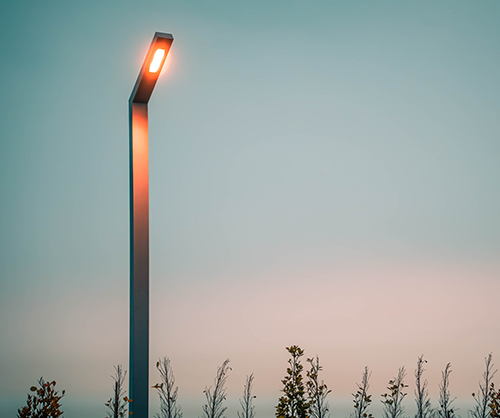
Footpath lighting refers to a dedicated category of outdoor luminaires designed specifically to illuminate narrow pedestrian routes—such as park walkways, residential tree-lined paths, scenic trails, and campus footpaths—at a low mounting height that delivers uniform, glare-controlled light directly to the walking surface. Unlike conventional street lighting, which is mounted at 6 to 12 metres and serves vehicular and wide-area illumination, footpath lighting fixtures are typically mounted between 0.5 and 4 metres above ground, prioritising pedestrian comfort, safety, and environmental sensitivity over broad-area coverage.
Modern footpath lighting systems are predominantly LED-based, engineered for energy efficiency, long service life, weather resistance, and seamless integration with the surrounding landscape. The sections below explore how footpath lighting works, what standards govern its design, which fixture types are available, and how to specify the right system for a given application.
Content
Footpath lighting serves three interconnected functions that together define its value in any pedestrian environment:
Adequate illumination of the walking surface allows pedestrians to detect surface irregularities, steps, kerb edges, and obstacles in time to avoid trips and falls. Research consistently shows that well-lit pedestrian environments reduce night-time pedestrian accident rates. Studies in urban planning contexts have reported reductions of 30% to 50% in night-time pedestrian incidents following the upgrade of footpath lighting from inadequate or non-existent provision to compliant LED systems.
Beyond physical hazards, footpath lighting contributes to the perceived and actual security of pedestrian routes after dark. Lighting that illuminates the faces and movements of other pedestrians—not just the ground surface—enables individuals to identify approaching persons and assess situations. This requires luminaires positioned and aimed to provide vertical illuminance, not just horizontal surface illuminance, which is a key design consideration in footpath lighting specification.
Footpath lighting defines the visual boundary of a pedestrian route, guiding users through parks, campuses, and residential areas without signage. When designed thoughtfully, the luminaires themselves contribute to the aesthetic character of the space during both day and night, enhancing the overall quality of the outdoor environment and encouraging pedestrian activity that supports community wellbeing.
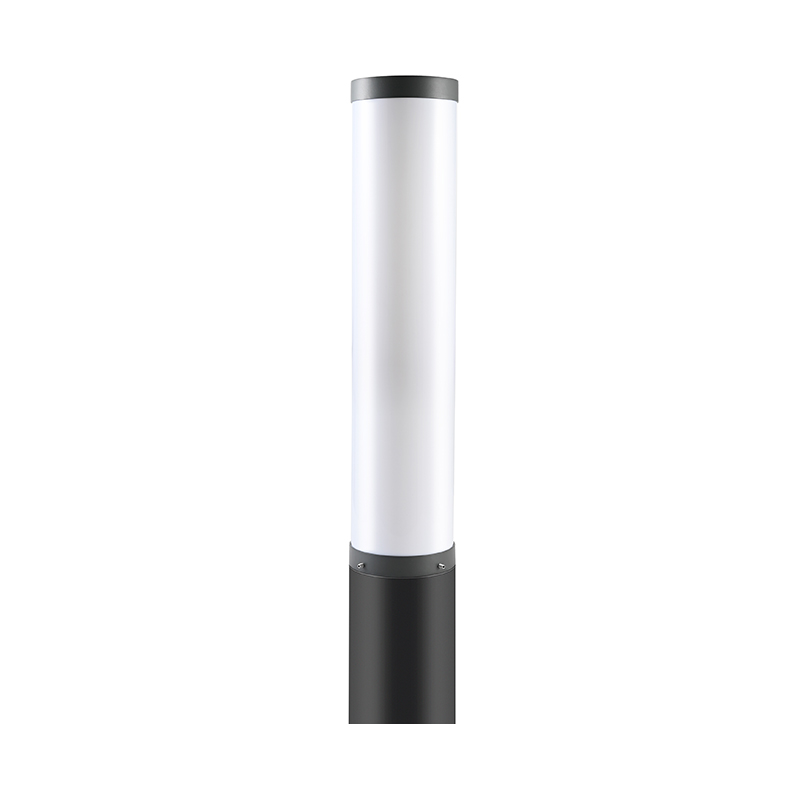
Footpath lighting encompasses a range of fixture types, each suited to different path widths, mounting contexts, and aesthetic requirements. Understanding the distinctions helps in selecting the right approach for a given project.
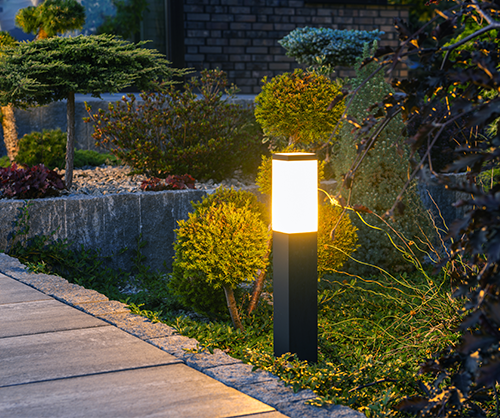
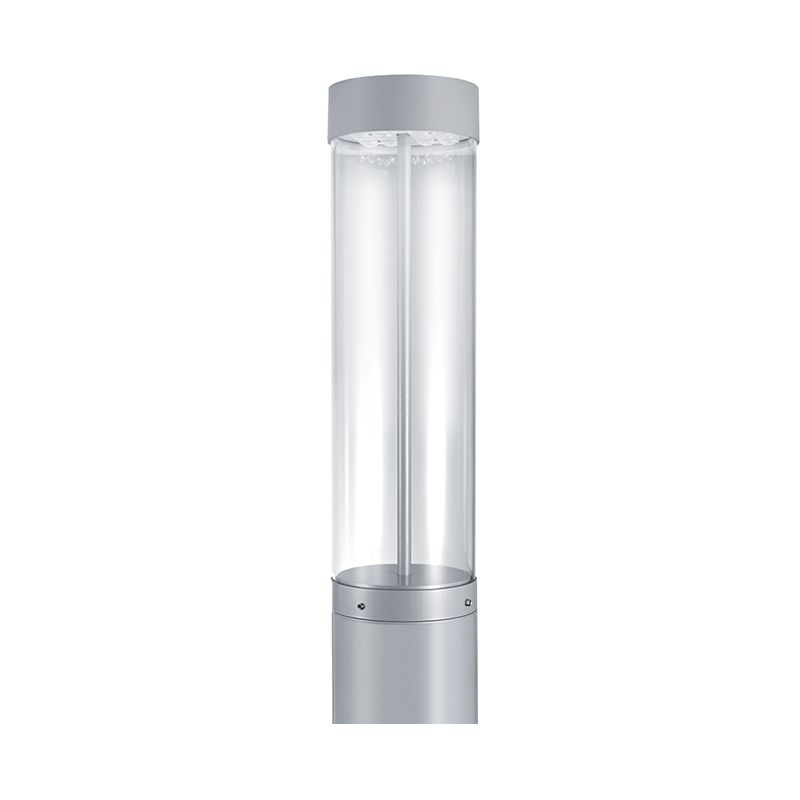
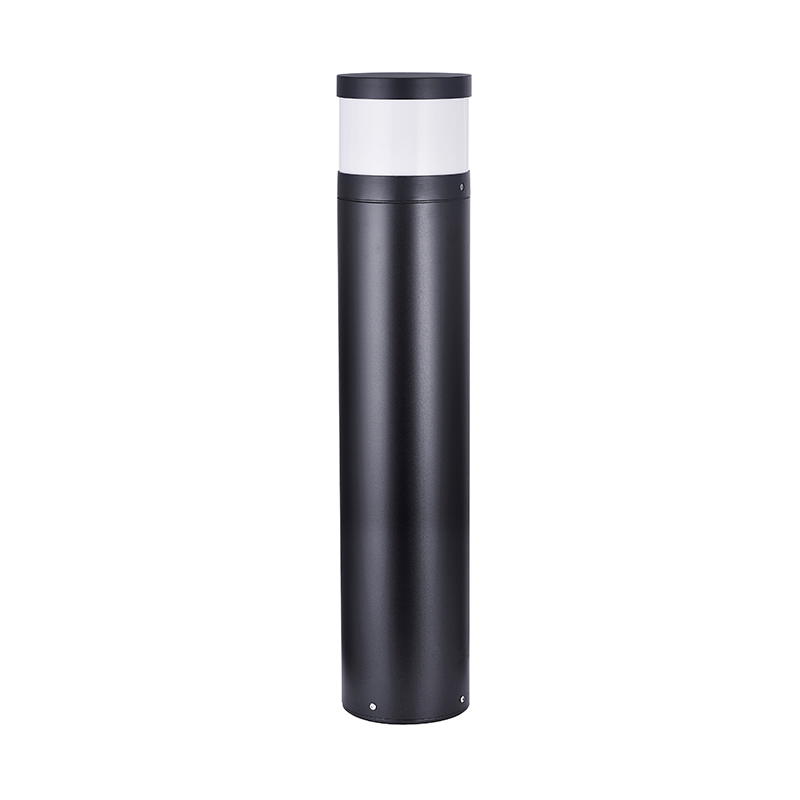
Bollard luminaires are free-standing posts, typically 600 mm to 1200 mm in height, that emit light from the top or through side apertures at a low level above the path surface. They are the most common footpath lighting solution in park and residential settings due to their robust construction, vandal-resistant profiles, and ability to define pathway edges while providing diffuse, glare-controlled illumination. Bollards are typically spaced at 6 to 15 metres apart depending on their light output and the required illuminance level.
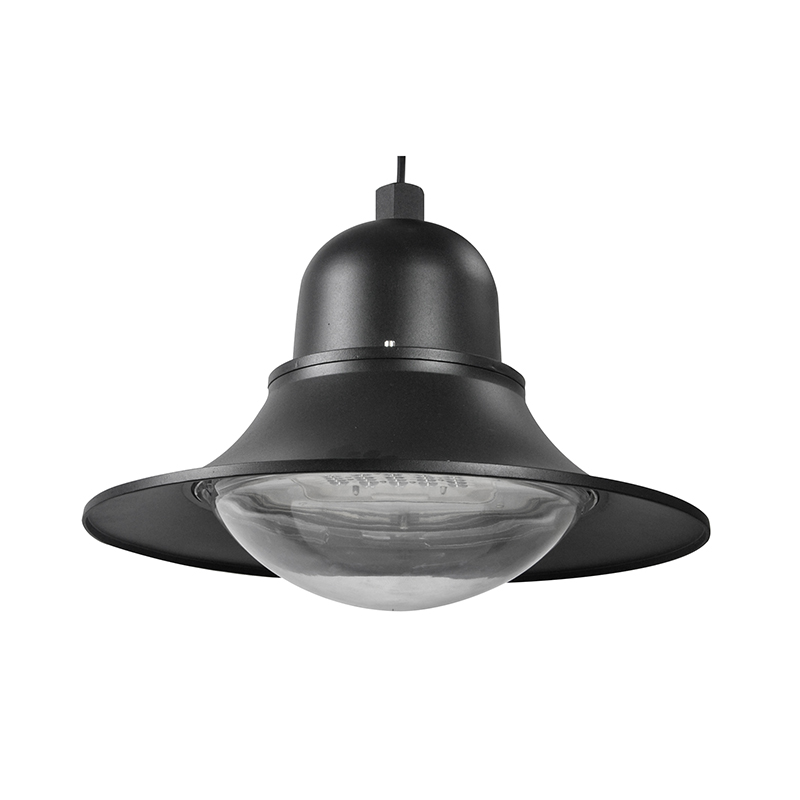
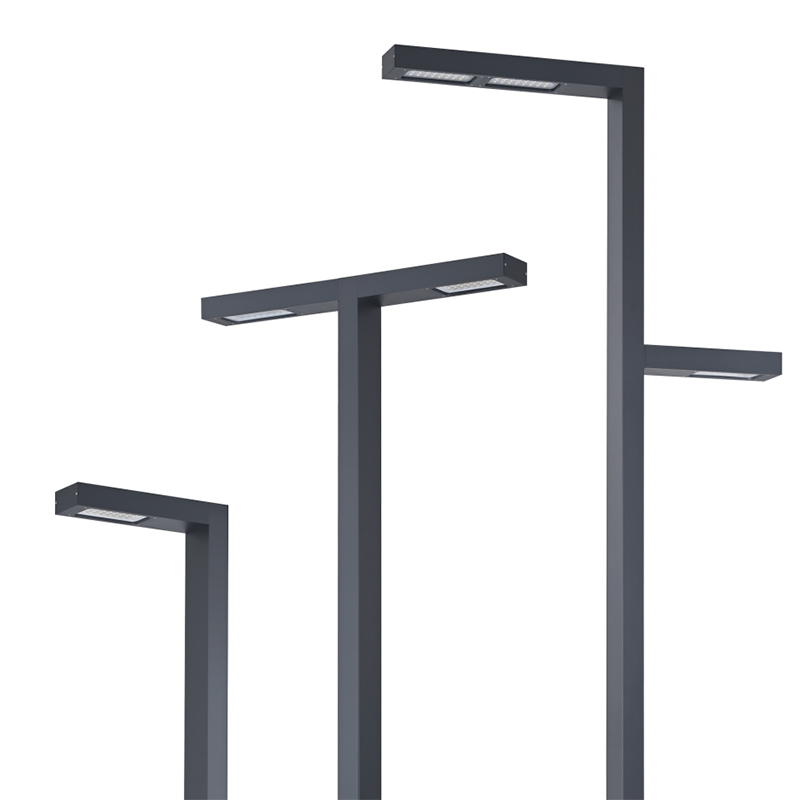
Post-top lanterns mounted at 2.5 to 4 metres provide a higher mounting height than bollards, enabling a wider spread of light and greater spacing between fixtures—typically 15 to 25 metres. This approach suits wider footpaths and shared pedestrian-cycle paths where a bollard's low light level would be insufficient. The lantern profile can be specified in heritage, contemporary, or minimalist styles to complement the surrounding architecture and landscape.
Flush-mounted in-ground luminaires are embedded within the path surface or alongside it, directing light upward or at a low angle along the walkway. This approach is favoured in locations where above-ground fixtures would be obtrusive, vulnerable to vandalism, or aesthetically inappropriate—such as formal gardens, historic landscapes, or high-design urban plazas. In-ground fixtures require IP67 or IP68 ingress protection ratings due to their exposure to standing water, compacted soil, and foot traffic loads.
Where footpaths run adjacent to walls, buildings, or boundary structures, wall-mounted luminaires can provide effective downward illumination of the path without the need for separate post foundations. Mounting heights of 1.5 to 3 metres are typical for this application. Wall-mounted path lights reduce installation costs where the wall structure is already present and eliminate ground-level obstacles, which is particularly valuable on narrow paths where bollards might impede pedestrian flow.
Recessed into the risers of steps and staircases along footpaths, step lights provide localised illumination at the exact points where pedestrian fall risk is highest. They are typically used in conjunction with other footpath lighting types rather than as a standalone system, providing targeted safety lighting at level changes that would otherwise remain in shadow cast by the steps themselves.
LED (Light Emitting Diode) technology has become the universal standard for new footpath lighting installations and retrofit projects. The performance advantages over legacy light sources—high-pressure sodium, metal halide, and compact fluorescent—are decisive across every relevant metric.
Key performance characteristics of LED footpath luminaires include:
Glare is a defining design challenge in footpath lighting. Because pedestrians are at close proximity to luminaires—often within 1 to 3 metres horizontally—and because their line of sight frequently includes the luminaire itself, uncontrolled glare causes discomfort, reduces the ability to see the path ahead, and creates the paradox of a lit path that is harder to navigate than a moderately dark one.
Glare in footpath lighting is evaluated using the Threshold Increment (TI) and Glare Rating (GR) metrics defined in standards such as EN 13201 (Europe) and AS/NZS 1158.3.1 (Australia/New Zealand). For pedestrian footpaths, GR values below 50 are typically required, with values below 40 targeted in parks and residential environments where visual comfort is paramount.
Design measures used to control glare in footpath luminaires include:
Footpath lighting operates continuously in exposed outdoor environments subject to rain, fog, dust, UV radiation, and temperature cycling. The ingress protection (IP) rating system—defined in IEC 60529—classifies the degree to which a luminaire's electrical components are protected against solid particles and liquids.
For footpath lighting applications, minimum acceptable IP ratings are:
| Fixture Type | Installation Context | Minimum IP Rating | Notes |
|---|---|---|---|
| Bollard light | Parks, residential paths | IP65 | Dust-tight, jet water resistant |
| Bollard light | Coastal, high-rain zones | IP66 | Powerful jet water resistant |
| Post-top lantern | General outdoor paths | IP65 | Standard outdoor rating |
| In-ground recessed | Flush-mounted in paving | IP67 | Temporary immersion resistant |
| Step / riser light | Outdoor steps | IP67 | Must also meet IK08+ impact rating |
| Wall-mounted path light | Building / wall surfaces | IP54 | Sheltered locations acceptable |
In addition to IP ratings, footpath luminaires in public spaces should carry an IK impact resistance rating of IK08 or IK10 (withstanding impacts of 5 J and 20 J respectively) to resist accidental and deliberate mechanical damage. This is particularly important for bollard lights in public parks and urban settings.
One of the most significant developments in contemporary footpath lighting is the integration of smart control technologies that reduce energy consumption while maintaining safety performance. Footpaths are frequently unoccupied for extended periods after midnight, making them ideal candidates for adaptive control strategies.
Passive infrared (PIR) motion sensors detect the thermal signature of approaching pedestrians and trigger luminaires to increase from a standby dim level (typically 20% to 30% of full output) to full brightness as a person approaches. After the pedestrian passes beyond the sensor's detection range, the luminaire returns to standby after a preset delay (typically 30 to 120 seconds). This "light on arrival, light off after departure" mode can reduce footpath lighting energy consumption by 40% to 70% compared to continuous full-output operation on low-traffic paths.
Integrated photocells measure ambient light levels and automatically switch luminaires on at dusk and off at dawn, eliminating the need for manual switching or fixed time schedules that waste energy on bright evenings or fail to activate on overcast days. Photocells are standard equipment in quality footpath luminaires and are essential for autonomous operation without ongoing management input.
Larger footpath lighting installations—such as university campuses, business parks, and municipal park networks—increasingly use networked control systems (NLC) that enable remote monitoring, fault detection, and dynamic dimming schedule management across the entire installation. NLC systems communicate via wireless protocols (Zigbee, LoRaWAN, cellular) or powerline communication, allowing facility managers to monitor energy consumption in real time and respond to reported lamp failures without physical inspection of every fixture.
Footpath lighting design must meet defined illuminance and uniformity standards to be considered compliant and effective. The relevant standard in Europe is EN 13201, which defines lighting classes for pedestrian areas; in Australia and New Zealand, AS/NZS 1158.3.1 applies. Both standards define requirements in terms of average horizontal illuminance (Ēh) and illuminance uniformity (Uo = Emin/Ēh).
Typical requirements for footpath and pedestrian area lighting under EN 13201 P-class designations:
Uniformity (Uo) of at least 0.40 means that the minimum illuminance on the path surface must be at least 40% of the average illuminance. This requirement prevents dark pools between luminaires that would disrupt pedestrian adaptation and create safety hazards, and is the key reason fixture spacing cannot simply be maximised to reduce cost without photometric modelling to verify uniformity.
Footpath lighting in parks, nature reserves, and residential greenways must be designed with careful attention to its impact on the surrounding ecological environment. Poorly specified or positioned luminaires contribute to sky glow, disrupt nocturnal wildlife behaviour, and affect plant growth cycles through artificial light at night (ALAN).
Measures to minimise ecological impact include:
Footpath lighting systems are deployed across a wide range of outdoor pedestrian environments. The following table summarises common application contexts with their typical fixture type and key specification priorities:
| Application | Typical Fixture Type | Mounting Height | Key Priorities |
|---|---|---|---|
| Public park walkway | Bollard light | 0.8–1.2 m | Glare control, warm CCT, vandal resistance |
| Residential tree-lined path | Bollard or low post-top | 0.6–2.5 m | Aesthetic integration, low spill |
| University campus path | Post-top lantern | 3.0–4.0 m | Security, networked control, uniformity |
| Scenic / nature trail | Low bollard or solar bollard | 0.5–1.0 m | Amber CCT, PIR control, off-grid capability |
| Formal garden / plaza | In-ground recessed | Flush (in-ground) | Aesthetic minimalism, IP67, IK10 |
| Outdoor staircase | Step / riser lights | Recessed in riser | Safety, IP67, impact resistance |
Related Products
 Private Industrial Park, Liangnong Town, Yuyao City, Ningbo City, Zhejiang Province, China
 +86-13486062091
 +86-574-2222 2345
 +86-574-2267 2345
 info@ym-lighting.com


 English
 中文简体
中文简体