Oct, 09, 2026
When a landscape architect or municipal engineer opens a lighting package and sees a note that says "dark sky compliant," the immediate question is usually practical: does this fixture actually meet the local ordinance, or is it just a marketing phrase? The answer depends on measurable details such as full cutoff optics, upward light output ratio, color temperature, and shielding. Dark sky lighting fixtures are not a single product type. They are outdoor luminaires designed to put light on the ground and keep it out of the sky.
The short answer: if a project needs to reduce light pollution and satisfy dark sky requirements, prioritize fixtures with full cutoff optics, zero upward light output, a color temperature of 2700K to 3000K, and clear beam control. Style, housing material, and smart controls matter for long-term maintenance and total cost, but they are secondary to photometric performance.
Content
Dark sky lighting fixtures are often associated with the International Dark-Sky Association, now known as DarkSky. Its DarkSky Approved Luminaires program provides third-party certification for fixtures that protect the night. The program reviews whether the fixture emits light above the horizontal plane, how much glare it creates, and how much blue light it produces. A fixture can be dark sky compliant without certification, but certification gives a buyer an independent check on manufacturer claims.
Compliance is not only a product property. A fixture is designed for a specific mounting height and application. A bollard light used at 0.8 m height behaves differently from a street light at 8 m. The same luminaire can pass in one layout and fail in another because of spacing, aiming, or overlighting. Buyers should ask for the full photometric file, not just a catalog page.
| Parameter | Target value | Practical impact |
|---|---|---|
| Upward light output ratio | 0 percent | Prevents sky glow and light trespass |
| Correlated color temperature | 2700K to 3000K | Reduces blue-rich light scatter |
| Full cutoff | Required | No direct light above 90 degrees |
| Shielded optics | Recommended | Controls glare and spill light |
| Mounting height and spacing | Project-specific | Avoids overlighting and hot spots |
Light pollution is not only an astronomy issue. Excess artificial light at night affects wildlife behavior, disrupts plant cycles, and has been linked to sleep problems in humans. For project owners, the more immediate concern is regulation. Many states, cities, and counties have adopted outdoor lighting ordinances that limit lumen output, require full cutoff fixtures, or set curfews for certain zones. A noncompliant lighting plan can delay permits, force redesign, and create friction with nearby residents.
Contractors and designers also face cost risk. If a fixture fails a post-installation inspection, replacing it can be far more expensive than specifying the right product at the start. Dark sky compliant fixtures often reduce energy use because they avoid wasted upward light. The practical takeaway is that dark sky performance should be treated as a specification requirement, not an aesthetic add-on.
Full cutoff means the luminaire emits no direct light above the horizontal plane. In photometric terms, the intensity at 90 degrees and above should be zero. Some fixtures achieve this with a recessed lens, a deep visor, or a louvered optic. For bollard and pathway lights, a top shield is often necessary because the light source is close to eye level and can easily spill upward.
Blue-rich white light scatters more in the atmosphere and contributes to sky glow. A 3000K or warmer LED is a common threshold. Some ordinances now require 2700K or less. Lumen output should match the task, not the maximum available. Ask for delivered lumens, not just LED chip lumens, and check the lumen maintenance report.
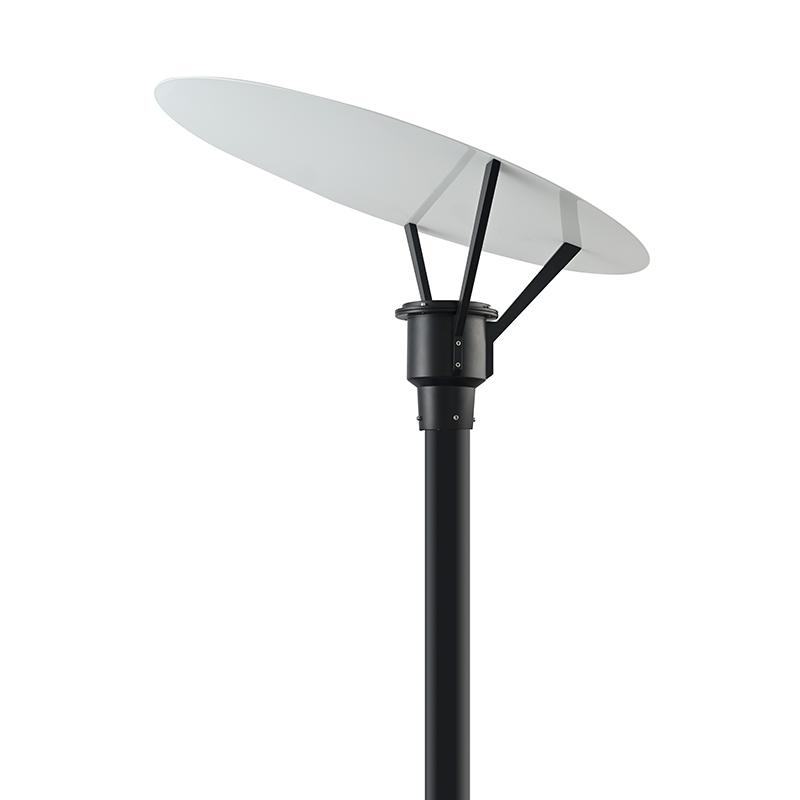
The same fixture can be compliant at one height and noncompliant at another. A street light mounted at 8 m with a narrow beam may spill light onto a neighboring property if the pole is too close to the boundary. Designers should use lighting design software to model the layout and verify the upward light ratio for the whole area. A manufacturer with in-house production and custom capabilities can support this process; see the company profile for more on engineering and quality control.
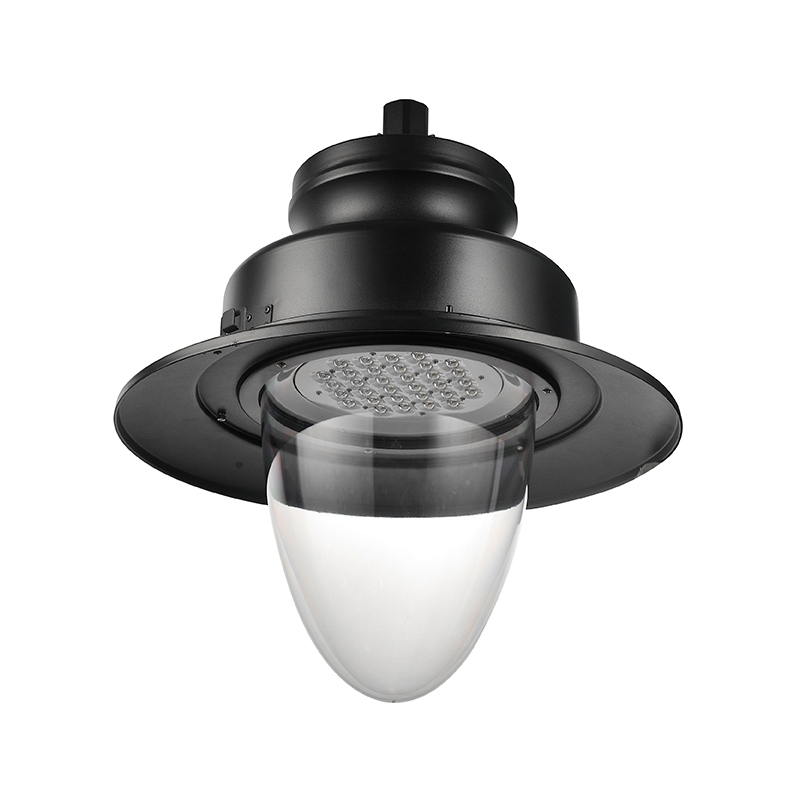
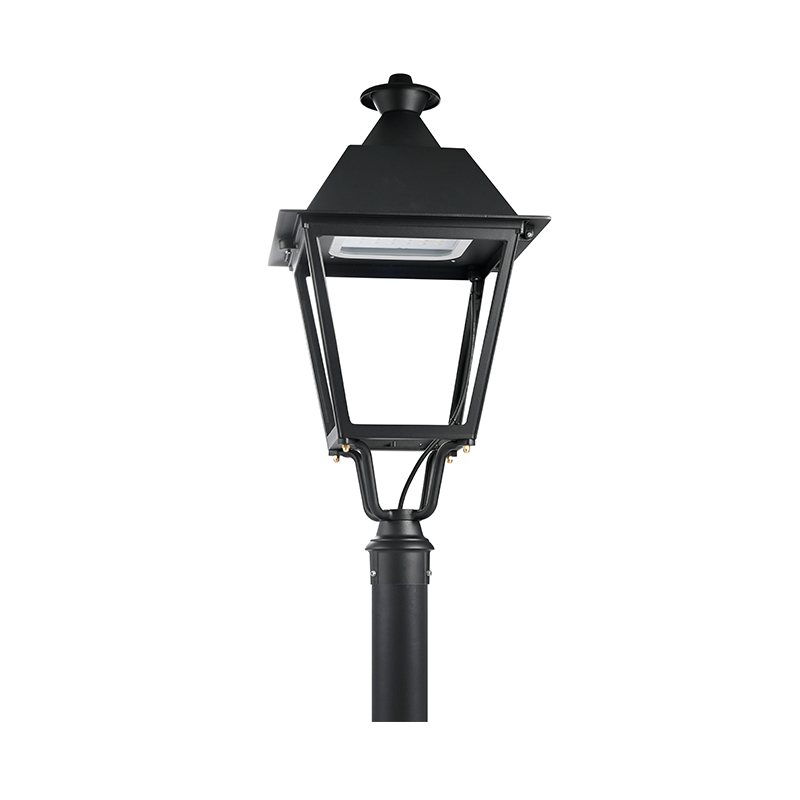
Yangming Lighting is a China-based outdoor lighting manufacturer with product families that include garden lights, street lights, lawn lights, pathway lights, wall lights, solar lights, light poles, and LED modules. For dark sky oriented projects, the most relevant categories are street lighting, footpath lighting, and lawn lighting, because these fixtures control light at or near the ground. The company supports customization for beam angles, wattages, color temperatures, and control interfaces.
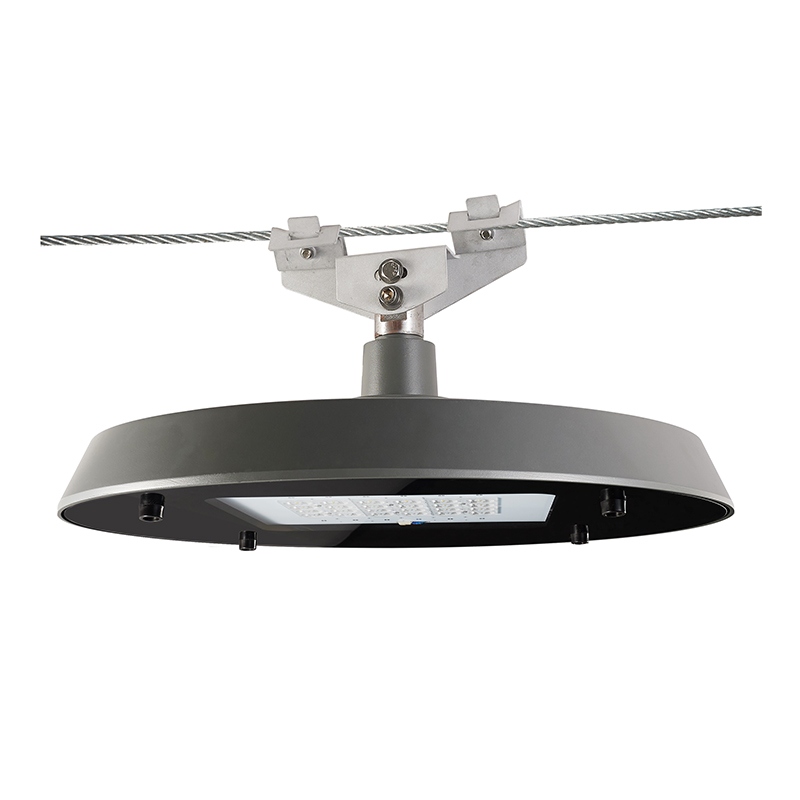
One suitable option is the YM-LED 6408M LED road lamp. It uses a die-cast aluminum housing, a tempered glass cover, and IP66 protection. For dark sky goals, specify a full cutoff version and a 3000K or warmer LED. This fixture is intended for community roads, parks, and commercial areas where glare control and durability are both important.
 YM-LED 6408M IP66 Outdoor LED Road LampAluminum IP66 LED road lamp for urban side roads, rural roads, and park pathways, with full-cutoff and warm-CCT options to help control glare.View Product →
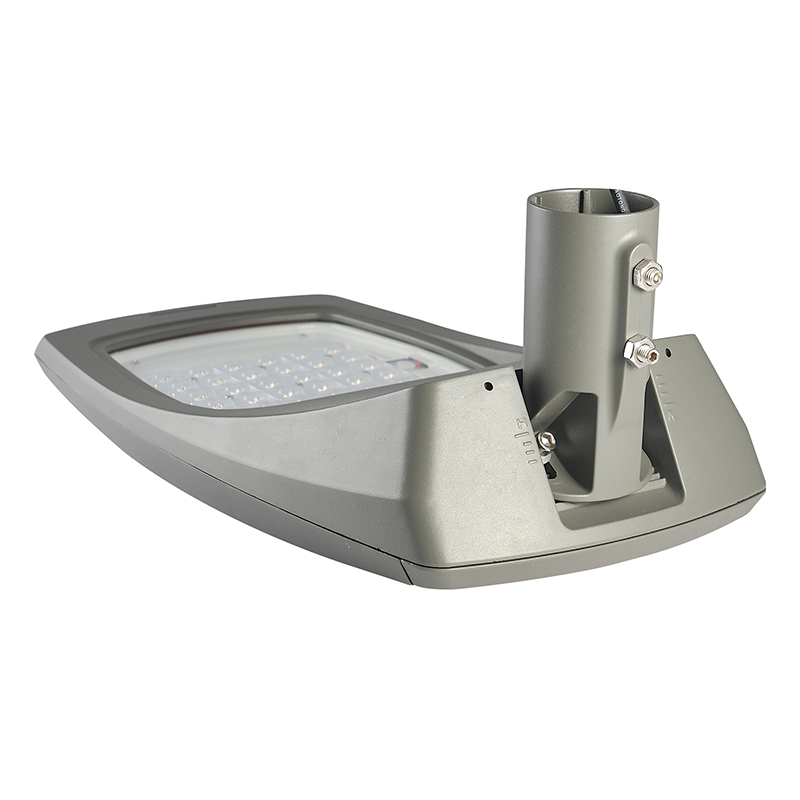
For pathways and low-level guidance, the YM-LED 6308 pathway light is an aluminum IP66 fixture designed for outdoor landscape and street pole applications. A downward-facing or shielded configuration helps keep light off nearby properties and out of the sky. It can be paired with a warm color temperature to reduce blue light output.
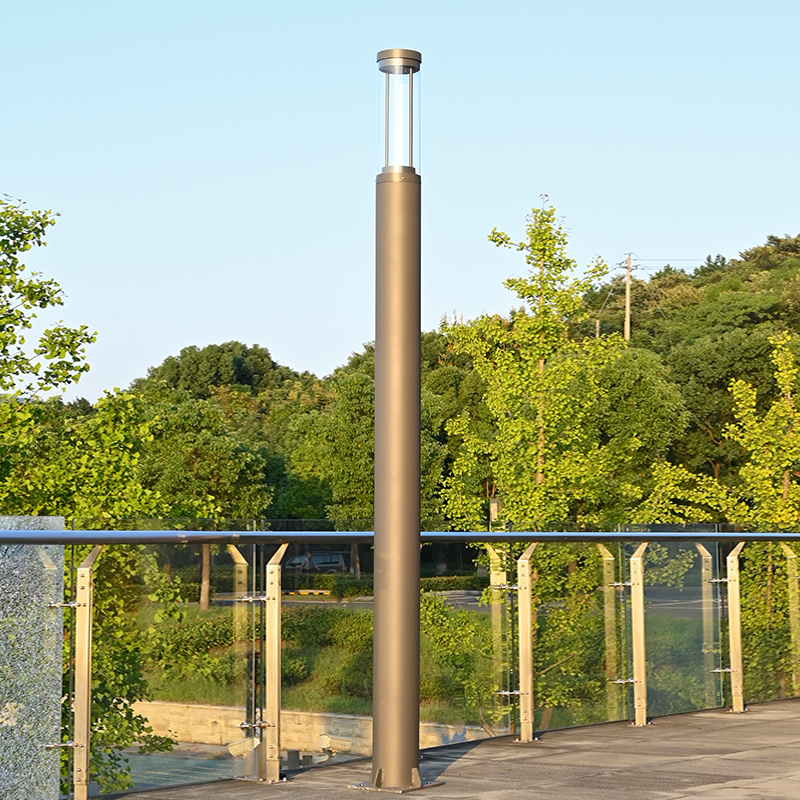 YM-LED 6308 IP66 Outdoor LED Pathway LightAluminum IP66 pathway light for residential areas, parks, and outdoor pathways, with shielded or downward-facing layouts to reduce light pollution and upward spill.View Product →
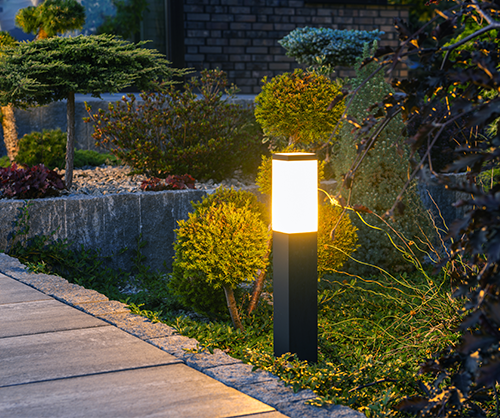
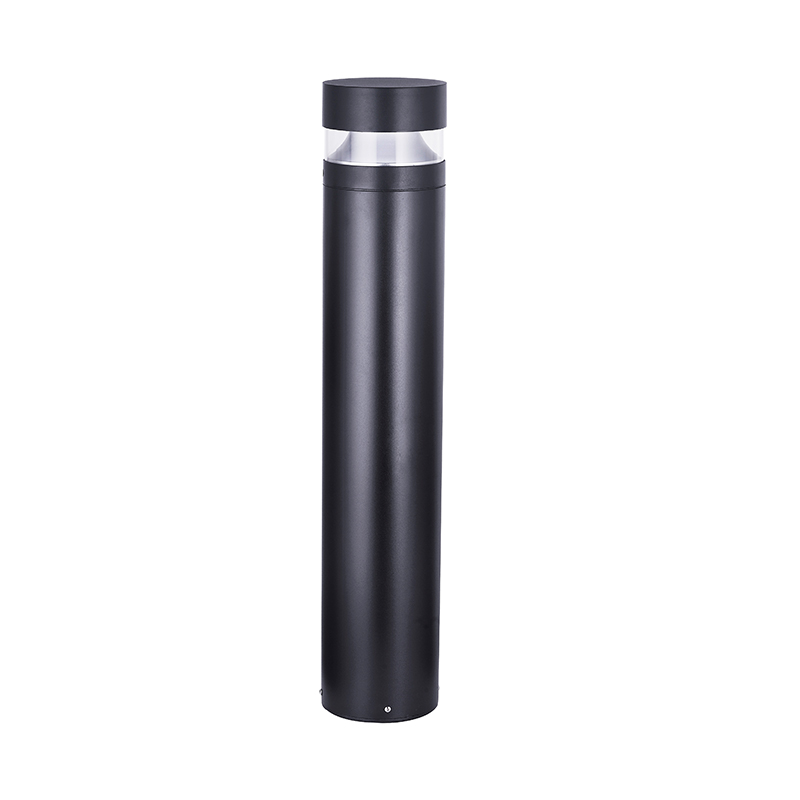
Another option is the YM-LED 6217A die-cast aluminum bollard lamp. It is IP65 rated and can be used for lawns, gardens, and pedestrian areas. Bollard lights must be selected with the right beam angle and top shield to avoid upward spill.
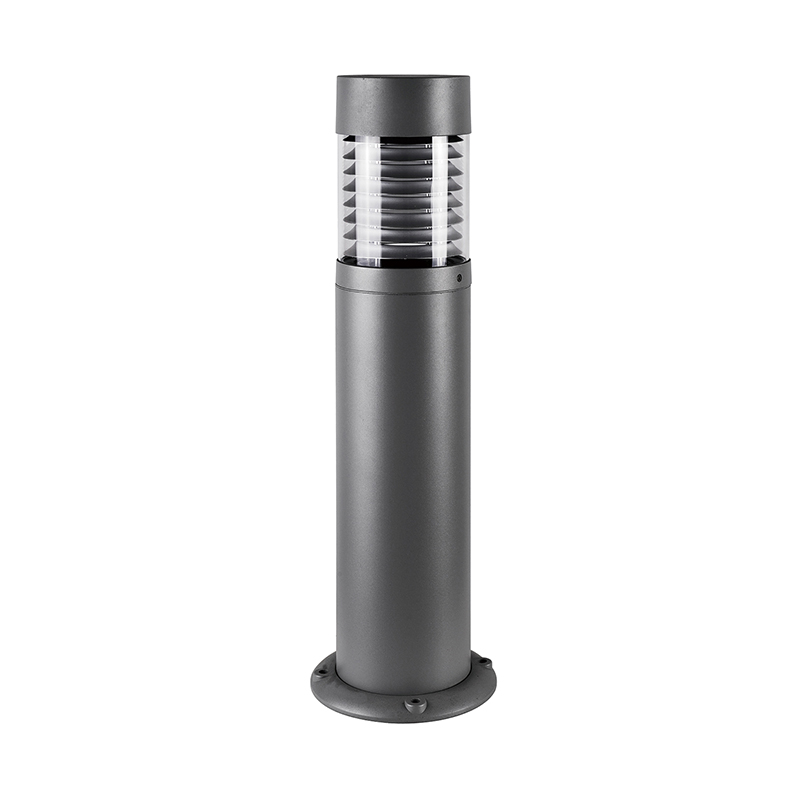 YM-LED 6217A IP65 Die-Cast Aluminum LED Bollard LampIP65 die-cast aluminum bollard lamp for lawns, gardens, and pedestrian areas; choose beam angle and top shield to limit upward light spill.View Product →
Use the following checklist when evaluating dark sky lighting fixtures. It helps separate verified performance from catalog claims and reduces the risk of a failed inspection or a change order.
For projects that involve solar power, the same dark sky principles apply. An integrated solar street light can be a good fit for areas without grid power, but the optic must still control upward light and the color temperature should remain warm. Battery capacity and panel size affect performance, so solar products should be sized for the local climate and winter conditions.
Dark sky lighting fixtures are ultimately about discipline: put light where it is needed, use the lowest adequate output, and keep the rest of the night dark. The fixtures that meet this goal combine full cutoff optics, warm color temperatures, and thoughtful shielding. When those photometric basics are in place, style and smart features can be added without undermining the original purpose. Buyers who ask for measured data rather than vague labels will make better decisions, protect the night sky, and reduce the risk of costly redesign.
Related Products
 Private Industrial Park, Liangnong Town, Yuyao City, Ningbo City, Zhejiang Province, China
 +86-13486062091
 +86-574-2222 2345
 +86-574-2267 2345
 info@ym-lighting.com


 English
 中文简体
中文简体